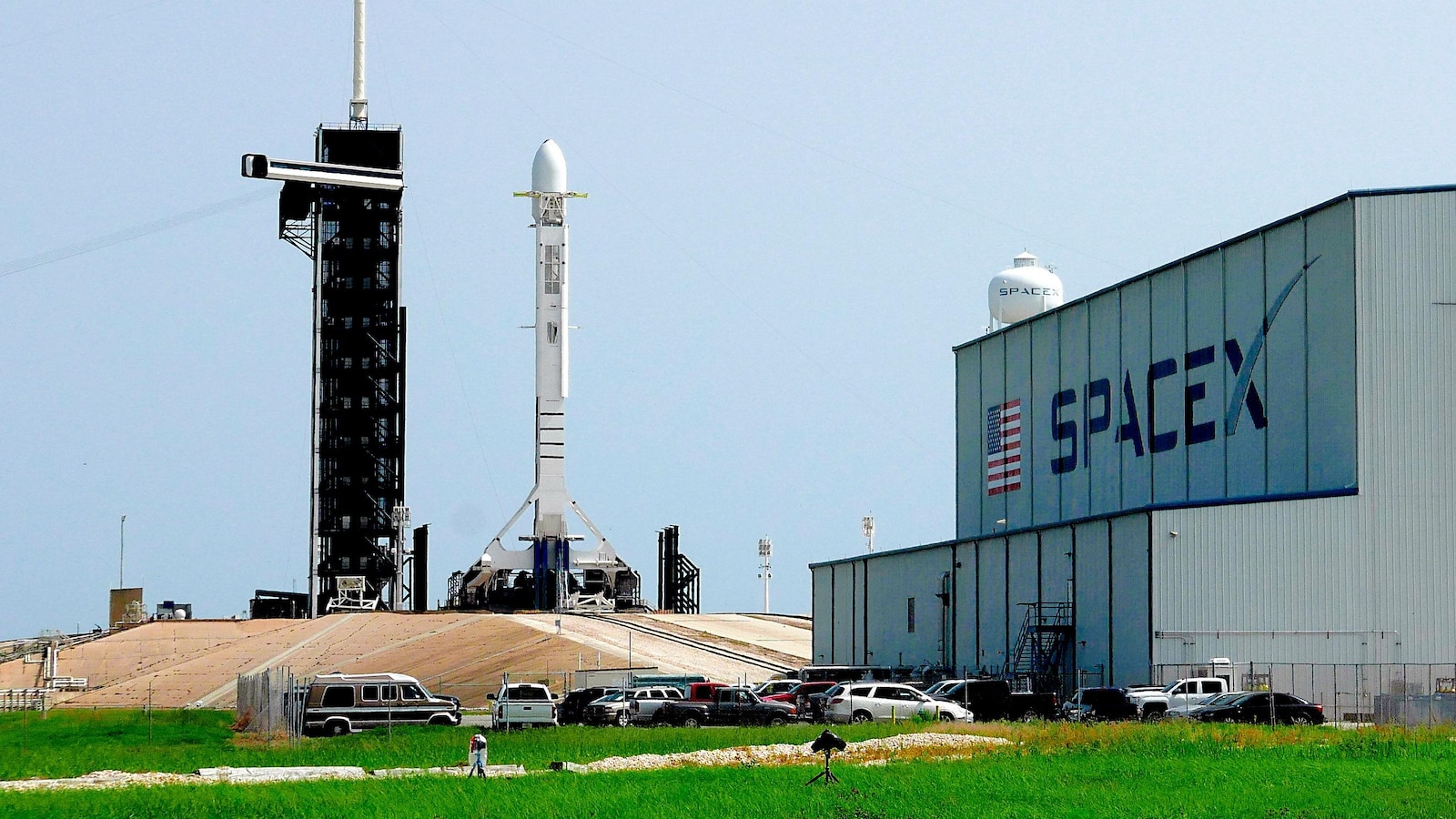
SpaceX's Starlink is reported to be available for free to users in Iran, enabling activists to bypass a nationwide telecom shutdown and disseminate video and information from ongoing protests; observers estimate more than 50,000 smuggled terminals in-country while reported protest deaths exceed 2,500. Iran has banned Starlink, security services have employed jamming and GPS disruption prompting a Starlink firmware countermeasure, and the episode underscores geopolitical, regulatory and single-provider dependency risks—important for risk assessment but likely to have limited direct market impact.
Market structure: Free Starlink use in Iran highlights that LEO broadband (SpaceX private) is a strategic substitute for terrestrial networks, benefiting suppliers of phased-array antennas, RF semiconductors and launch services (e.g., QRVO, SWKS, RTX) and defense primes that win resilience contracts (LHX, NOC). Legacy GEO and regulated local ISPs (e.g., VSAT-exposed commercial satellite providers) are exposed to demand-share erosion and pricing pressure as governments pay for or subsidize LEO for resilience; expect contract re-pricings over 6–24 months.
Risk assessment: Tail risks include targeted anti-satellite actions, US/ALLIED export-control tightening, or SpaceX policy withdrawals — each could cause >30% revenue shock to any public firm overexposed to LEO reliance; immediate volatility is likely (days–weeks), with medium-term (3–12 months) re-contracting and long-term (1–3 years) structural budget shifts into defense/spacelift. Hidden dependency: terrestrial terminal supply chains (RF chips, antennas) and SpaceX launch capacity create single points of failure; monitor CHIPS/EAS export rules and launch cadence monthly.
Trade implications: Favor public defense/space-resilience names and suppliers: tactical 1–3% long positions in LHX and RTX with 3–9 month horizons; pair against short exposure to commercial satellite integrators (VSAT) via a 0.5–1% short or 3-month put spread. Hedging: buy a 3-month Brent call spread (e.g., $80–$95) sized 0.5–1% if Brent breaches $85, and a 2-month VIX call for asymmetric tail protection if VIX >20.
Contrarian angles: Consensus underestimates policy and kinetic risk — reliance on a single private operator is a structural vulnerability that could trigger rapid nationalization or stringent export controls, compressing valuations of companies tied tightly to SpaceX. Historical parallel: Ukraine showed benefits but also unilateral control risks (service cut decisions); avoid concentrated long bets on “LEO wins all” and size positions conservatively (max 3% per name).
AI-powered research, real-time alerts, and portfolio analytics for institutional investors.
Request DemoOverall Sentiment
neutral
Sentiment Score
0.00
