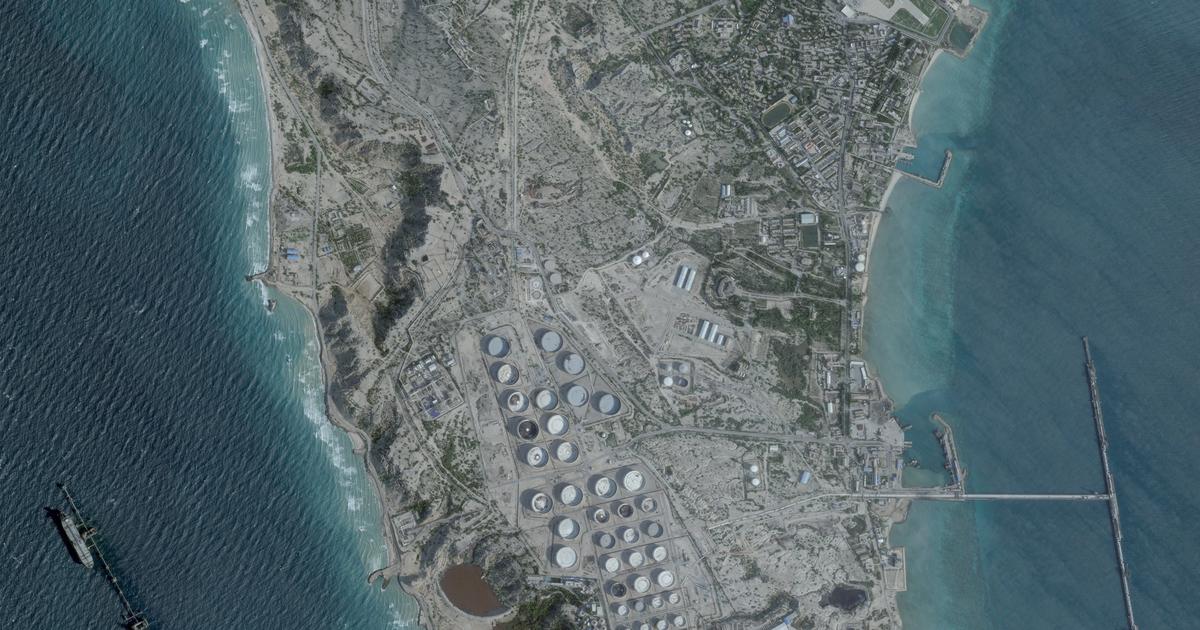
Iran struck a Kuwaiti desalination plant and a fully laden oil tanker while the U.S. President threatened damage to Iran’s water infrastructure, expanding the conflict beyond military targets. Damage to the Gulf’s hundreds of desalination plants could make major cities effectively uninhabitable and raise potential war-crime exposure. Despite the escalation, oil prices fell and equities rose after a Wall Street Journal report that President Trump is considering a swift end to the conflict, creating short-term market volatility and mixed investor signals.
Market moves (lower oil, higher equities) are pricing a rapid diplomatic unwind and underweighting asymmetric infrastructure risk. Damage or disruption to coastal desalination plants and commercial shipping produces non-linear supply shocks: local municipal service failure compresses labor supply and manufacturing output in affected cities within weeks, while higher marine war-risk premiums and route diversions lift delivered commodity costs for months. Expect cross-asset transmission via higher short-term freight & insurance costs, surging demand for onshore storage and inland water logistics, and a multi-quarter surge in GCC CAPEX directed at redundancy rather than growth projects.
Insurance and reinsurance economics are the first-creditable winners: premiums reprice quickly (days–weeks) while underwriting capacity redeploys over quarters, creating an earnings lead-lag that public reinsurers and brokers can monetize within 1–4 quarters. Conversely, regional carriers, tanker owners with single-hull exposure, and banks financing coastal property are exposed to concentrated tail losses and reputational/legal liability, compressing credit spreads over months if attacks persist. Defense and security vendors face a clear multi-year follow-through as governments accelerate hardening of ports, energy nodes, and desalination assets — CAPEX that is sticky and visible to suppliers within 6–18 months.
The biggest market misread is complacency on persistence: the scenario that creates the largest second-order economic damage is episodic, targeted attacks on infrastructure that force prolonged population displacement or rationing — not just spikes in crude. A tactical ceasefire would reset sentiment quickly, but structural reallocations (insurance pricing, port security, domestic water systems) take quarters to years, implying a bifurcated return profile across equities, insurers, and specialty industrials. Positioning should therefore be short-duration directional on macro sentiment and longer-duration on structural winners in defense, reinsurance, and water infrastructure technology.
AI-powered research, real-time alerts, and portfolio analytics for institutional investors.
Request DemoOverall Sentiment
strongly negative
Sentiment Score
-0.60
