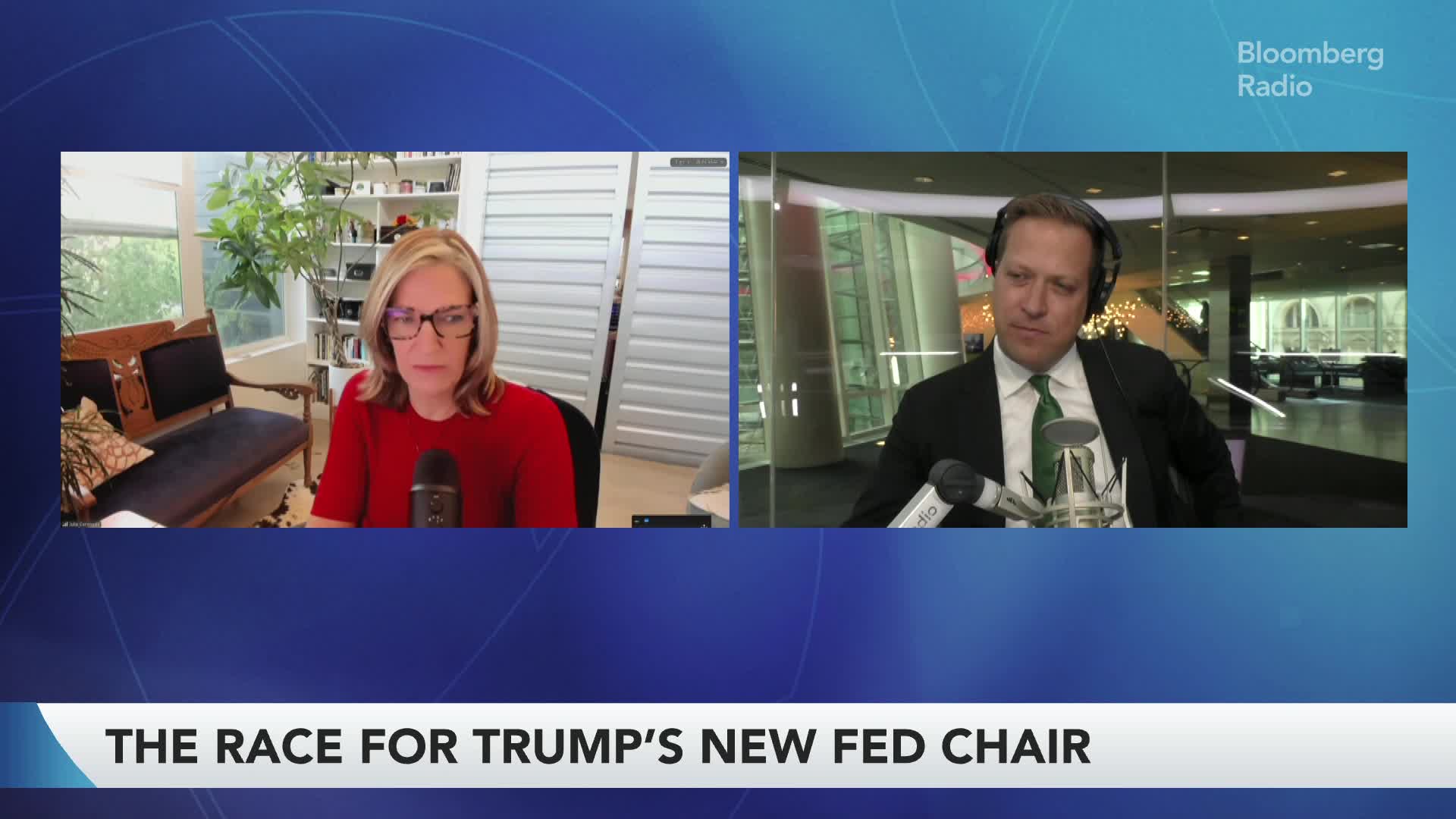
President Trump publicly called for a 'big cut' from the Federal Reserve this week, ahead of its pivotal meeting where the central bank is widely expected to ease policy for the first time in nine months. Economists surveyed by Bloomberg anticipate a 25 basis-point reduction, as the Fed grapples with a slowing labor market, persistent inflation, and political pressure for lower borrowing costs, which could significantly impact borrowing costs and market liquidity.
The Federal Reserve is approaching a pivotal policy meeting under significant and explicit pressure from the executive branch for a 'big cut' in interest rates. While President Trump's call amplifies political influence on monetary policy, market consensus, reflected by a Bloomberg survey of economists, anticipates a more modest 25 basis-point reduction. This expected easing, the first in nine months, is contextualized by a slowing labor market and stubborn inflation, which are the primary economic drivers for the Fed's dovish turn. The situation presents a notable divergence between political demands and established market expectations, introducing a layer of uncertainty around the central bank's decision. The overall dovish tone and moderately positive sentiment signal that market participants are positioned for and welcoming monetary accommodation, likely viewing it as supportive for asset valuations amidst weakening economic indicators.
AI-powered research, real-time alerts, and portfolio analytics for institutional investors.
Request DemoOverall Sentiment
mildly positive
Sentiment Score
0.35
