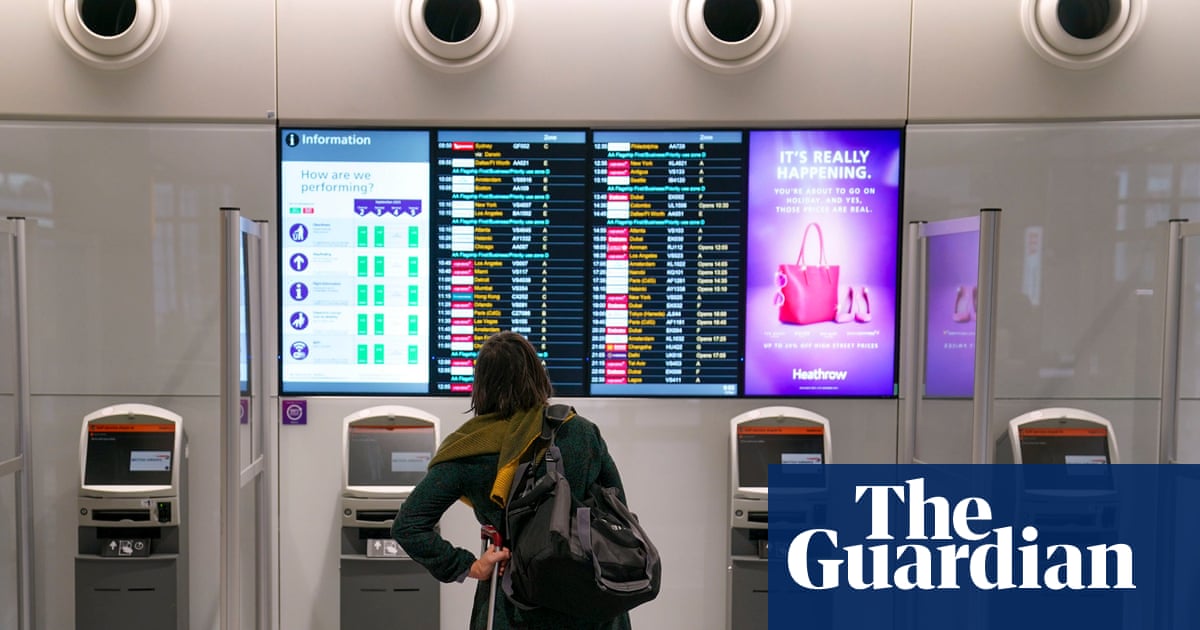
Air fares in Europe are expected to rise over the peak summer period as jet fuel costs remain elevated, with Willie Walsh warning the higher price of oil will ultimately be passed through to ticket prices. The UK and Europe are scrambling for alternative jet fuel supplies after Iran’s effective closure of the Strait of Hormuz sent fuel costs soaring, though officials said there is no immediate risk of widespread flight cancellations. Airlines have already axed 296 UK departures this month, or 0.75% of total flights, while the EU is easing rules on US-grade jet fuel use to help secure supply.
The key equity implication is not just higher airline fuel expense, but a likely widening dispersion inside travel. Network carriers with weaker hedging and limited pricing power will get squeezed first, while leisure-heavy operators and online travel agencies can pass through some of the pain via package pricing and dynamic fares. The bigger second-order winner may be airports and service businesses with usage-linked revenue that is less directly exposed to fuel, while the biggest loser set is short-haul European carriers that compete on price and cannot fully rerate tickets in a weak demand backdrop. The market is probably underestimating the timing mismatch: peak summer demand is a few weeks away, but jet fuel procurement and route scheduling are already locked in. That means margin pressure can show up before load factors visibly weaken, creating a cleaner earnings downgrade cycle into Q3 than a simple spot-fare narrative would suggest. If fuel remains elevated into autumn, the pain extends beyond summer into winter capacity planning, with potential knock-on effects to aircraft utilization, crew scheduling, and lessors' lease rates for older, less efficient fleets. The contrarian point is that “higher fares” is only bullish for airlines if demand holds. On the margin, a fuel shock can actually accelerate demand destruction in price-sensitive leisure travel, forcing carriers into a volume/pricing tradeoff that leaves unit revenue flatter than expected. A less obvious hedge is that prolonged fuel stress increases the value of fuel-efficient fleets and disciplined capacity, so the relative trade may be long best-in-class carriers with strong hedging and short weaker regional operators, rather than a broad short of the sector.
AI-powered research, real-time alerts, and portfolio analytics for institutional investors.
Request DemoOverall Sentiment
mildly negative
Sentiment Score
-0.25
