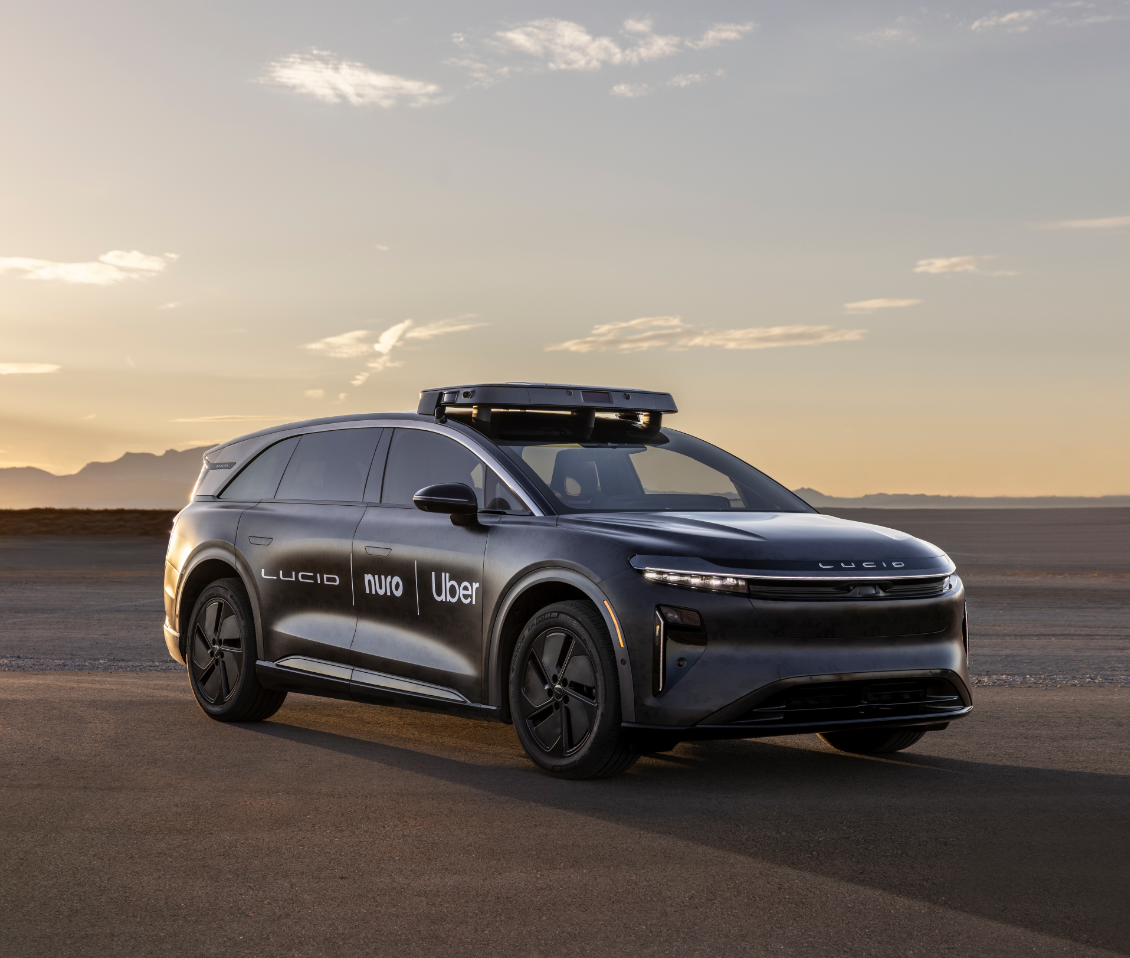
Uber has 20 active driverless-vehicle partnerships and expanded deals with Nvidia targeting Level 4 deployments across 28 cities by 2028. Its platform-as-a-service approach avoids vehicle capex and fleet ownership, enabling revenue growth without proportional cost increases and reducing single-partner execution risk. Leveraging its large user base and data to commercialize robotaxi partnerships could materially improve unit economics (eliminating fleet and eventual driver costs) and presents notable upside for equity investors.
Uber’s aggregator strategy creates a distribution and data moat that is distinct from vehicle-level technology — that asymmetry means marginal economics can improve materially without proportional capex: a 10–15ppt increase in take-rate or a 20–40% rise in ARPU from bundled in-car services is plausible once L4 density crosses a local threshold. Because Uber controls demand routing, small increases in conversion or supply utilization compound quickly — a 5% utilization uplift in robotaxi fleets can drive 15–25% incremental contribution to platform EBITDA in city clusters.
Second-order supply-chain winners will be compute and mapping providers (higher-content, recurring revenue) while OEMs are exposed to front-loaded capex and demand for revenue-share contracts that compress their per-vehicle margins; expect OEMs to demand fixed-fee guarantees and carve-outs that slow gross margin improvement at the platform level. Insurers, municipal parking revenues, and fleet maintenance ecosystems will see concentrated structural changes — anticipate a re-pricing of commercial auto insurance and aftermarket parts demand over 2–5 years.
Key catalysts and risks are idiosyncratic and timing-driven: city-by-city regulatory approvals and a small number of high-profile safety incidents can create rapid moratoria that wipe out near-term TAM in months; conversely multi-city certification or a favorable federal framework could unlock national rollouts within 24–48 months. Monitor three leading indicators: validated passenger rides in paid deployments (not pilots), stable mean-time-between-failure metrics, and public insurance/legal frameworks in top-30 US/EM cities for near-term signal clarity.
Valuation implication: Uber’s optionality on distribution is asymmetric — downside is capped by low incremental capex but political/regulatory risk creates fat left tails. Positioning should therefore be outcome-weighted: buy the distribution call cheaply while hedging the regulatory catalyzer; if robotaxi revenue becomes ~5–10% of gross bookings (likely 2026–2028 in a favorable path), expect a meaningful re-rate relative to current multiples.
AI-powered research, real-time alerts, and portfolio analytics for institutional investors.
Request DemoOverall Sentiment
strongly positive
Sentiment Score
0.70
Ticker Sentiment
