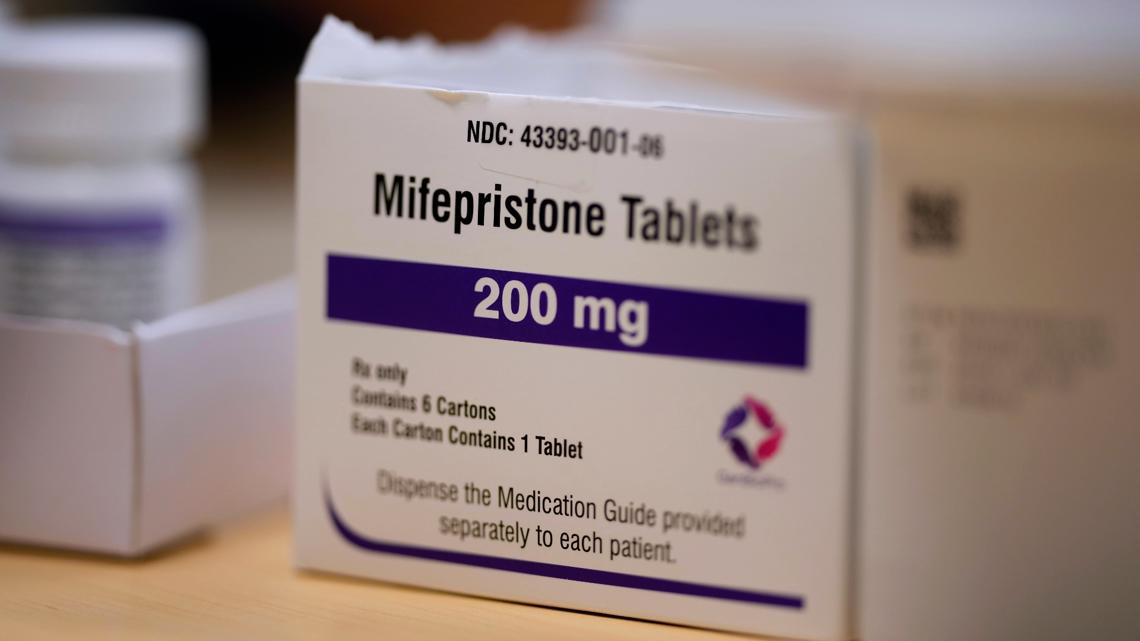
The Supreme Court preserved access to mifepristone, keeping pharmacy and mail-order distribution in place while litigation continues, despite lower-court restrictions that would have required in-person doctor visits. The ruling averts an immediate disruption to medication abortions, which accounted for nearly two-thirds of U.S. abortions in 2023. However, the case remains unresolved and could still lead to tighter FDA rules or further Supreme Court review next year.
The immediate market takeaway is not a healthcare revenue shock, but a legal-duration extension: the status quo now likely persists long enough to keep uncertainty embedded in the asset class, while removing near-term downside tail risk for telehealth-enabled abortion access. The more important second-order effect is that the litigation risk premium shifts from service delivery to regulatory process risk at the FDA, which means the battleground moves from courts to agency personnel, review timelines, and the political durability of current enforcement priorities. From a competitive-dynamics lens, a restrictive outcome would have redistributed volume away from mail-order and telehealth channels toward in-clinic providers and interstate travel networks, creating a forced demand spike in physical access, logistics, and adjunct medication substitution. Because the injunction remains in place, those displacement trades are deferred, but not eliminated; any future adverse ruling would likely hit small telehealth-first players hardest while benefiting large health systems and brick-and-mortar pharmacy channels with existing compliance infrastructure. The contrarian read is that the market may be underpricing how slowly this can resolve even under a hostile legal backdrop. A final policy change would still face FDA process constraints, potential administrative resistance, and likely further appeals, so the true earnings impact is more of a rolling option than a binary event. That favors volatility monetization over outright directional bets, with the most attractive setup being instruments exposed to headline-driven tape but not to near-term fundamental impairment.
AI-powered research, real-time alerts, and portfolio analytics for institutional investors.
Overall Sentiment
neutral
Sentiment Score
0.05
