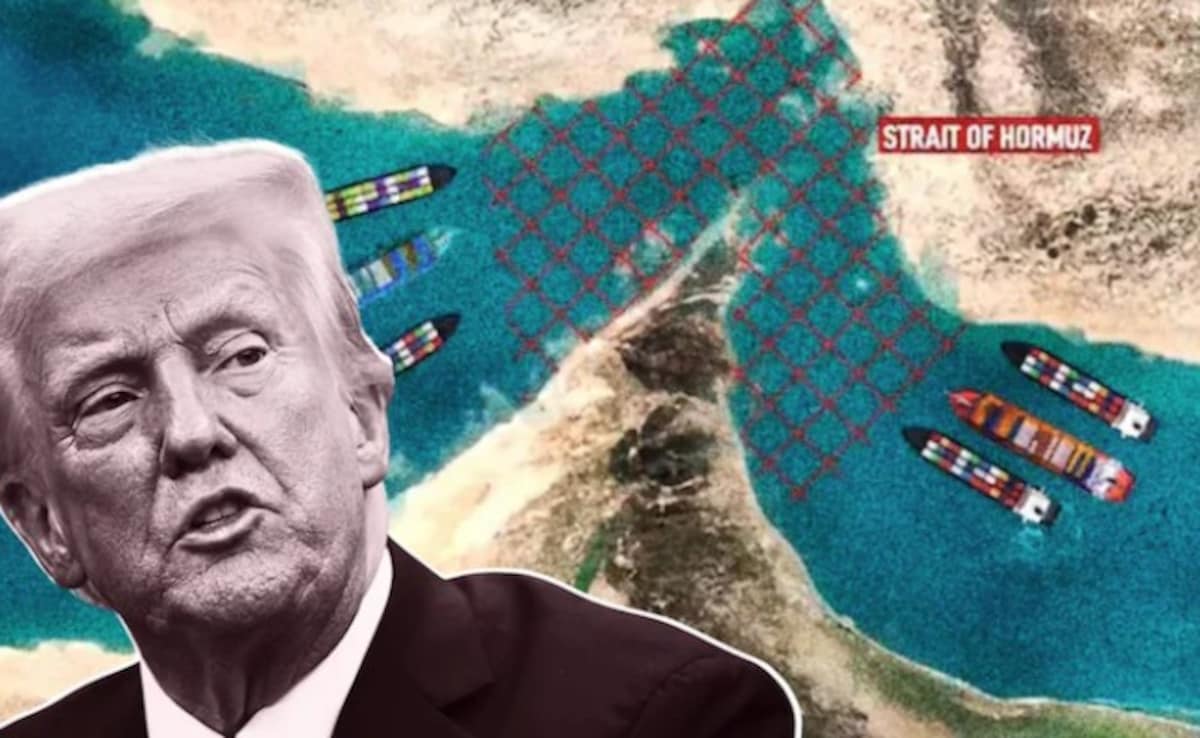
About 25% of global oil transits the Strait of Hormuz (and ~80% of India's energy imports), and Iran's effective closure has nearly halted hundreds of vessels, creating a major supply shock. President Trump said the US imports almost no oil via Hormuz and urged reliant countries to secure the chokepoint themselves while suggesting they buy US oil; he also signaled US military objectives in 'Operation Epic Fury' are near completion. This raises near-term risk-off dynamics for oil markets and global trade flows, with potential for sustained elevated energy prices until the strait reopens or allies assume security responsibility.
The administration's push to shift responsibility for chokepoint security is a classic cost-shift: expect Gulf states to accelerate naval and asymmetric-defense procurement rather than rely exclusively on US boots. That drives a discrete multi-quarter revenue opportunity for prime defense contractors (guided procurement cycles, likely 12–24 month delivery bands) and for European shipyards building corvettes/frigates — an order wave that typically crystallizes as RFPs within 60–180 days and deliveries over 2–5 years.
Markets will price two competing transient effects: a volatility premium in oil/shipping markets that spikes freight and insurance costs within days-to-weeks, and a rapid mean-reversion risk if a diplomatic or coordinated multinational escort operation reopens normal transit. Freight-rate moves can outsize crude-price moves (VLCC/Suezmax TCEs commonly move 2–4x percentage-wise vs Brent during choke events), creating a short-duration arbitrage for owners vs commodity producers.
Over a 1–12 month horizon the key catalytic chain is predictable: (1) news-driven incidents → immediate insurance/TC spikes; (2) sustained closure → rerouting and longer voyage cycles increasing global tonne-mile demand and owner cashflows; (3) procurement/orders → defense-sector revenue visibility. Reversal triggers that compress spreads quickly are coordinated naval escorts, large SPR releases or an announced multilateral security pact — any of which can unwind premiums in days and create substantial downside for unhedged, momentum-driven longs.
AI-powered research, real-time alerts, and portfolio analytics for institutional investors.
Overall Sentiment
strongly negative
Sentiment Score
-0.65
