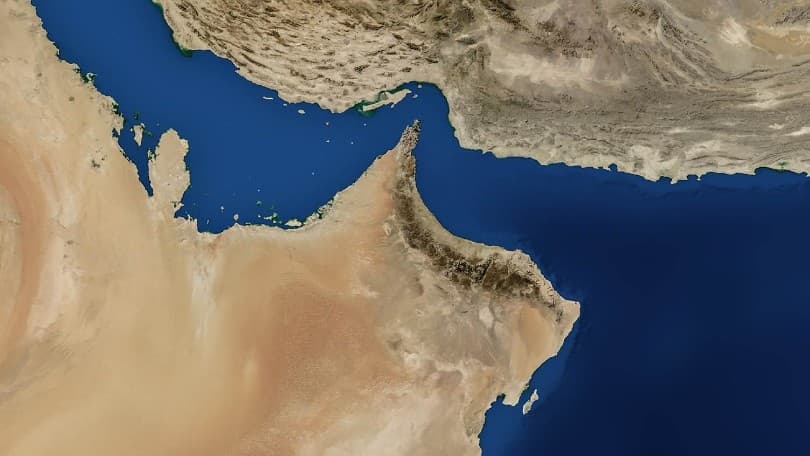
Traffic through the Strait of Hormuz has collapsed from over 100 ships per day to fewer than 10 per day (>90% decline) as Iran restricts transit to 'friendly' flags and its parliament approved a bill to charge a transit toll. Iran has assured Malaysia its vessels can transit without paying the toll and allowed seven Malaysian-owned tankers to exit, but hundreds of vessels remain stranded, threatening oil and refined product flows to major importers such as China, India and Pakistan. This represents a material sector-level geopolitical shock with upside oil-price risk and significant shipping/supply-chain disruption for energy flows.
A durable chokepoint disruption will manifest first as a shipping-cost shock rather than a pure production shortage. Longer voyage legs add roughly 7–10 days to roundtrips for large tankers, implying incremental bunker and opportunity costs on the order of $150k–$350k per VLCC voyage; spot time-charter rates therefore must rerate upward by 30–60% to restore owner economics, concentrating near-term gains in modern VLCC owners and operators with flexible flags.
Those freight and insurance premia transmit to crude and refined product spreads unevenly: landed crude costs to key Asian demand centers can rise by $3–8/bbl within 1–3 months, while diesel/jet spreads could widen further as logistical shortages bite—creating a window for refiners with Atlantic access to arbitrage Asian markets. Shipping insurance add-ons and contingent detours effectively act as a per-barrel surcharge (~$0.5–$2/bbl) that lengthens the inflation impulse and compresses refinery margins regionally.
Over a multi-quarter horizon the economic response will bifurcate: (a) tactical storage and floating inventories rise, advantaging storage owners and midstream players; (b) capex decisions accelerate on pipelines, regional refining and reflagging vessels—changes that take 2–5 years to materialize. Reversal catalysts include rapid diplomatic normalization or credible multinational escort/insurance solutions; downside tail risks include escalatory military incidents or sanctions that entrench route volatility and perpetuate a premium structure for years.
AI-powered research, real-time alerts, and portfolio analytics for institutional investors.
Overall Sentiment
mildly negative
Sentiment Score
-0.25
