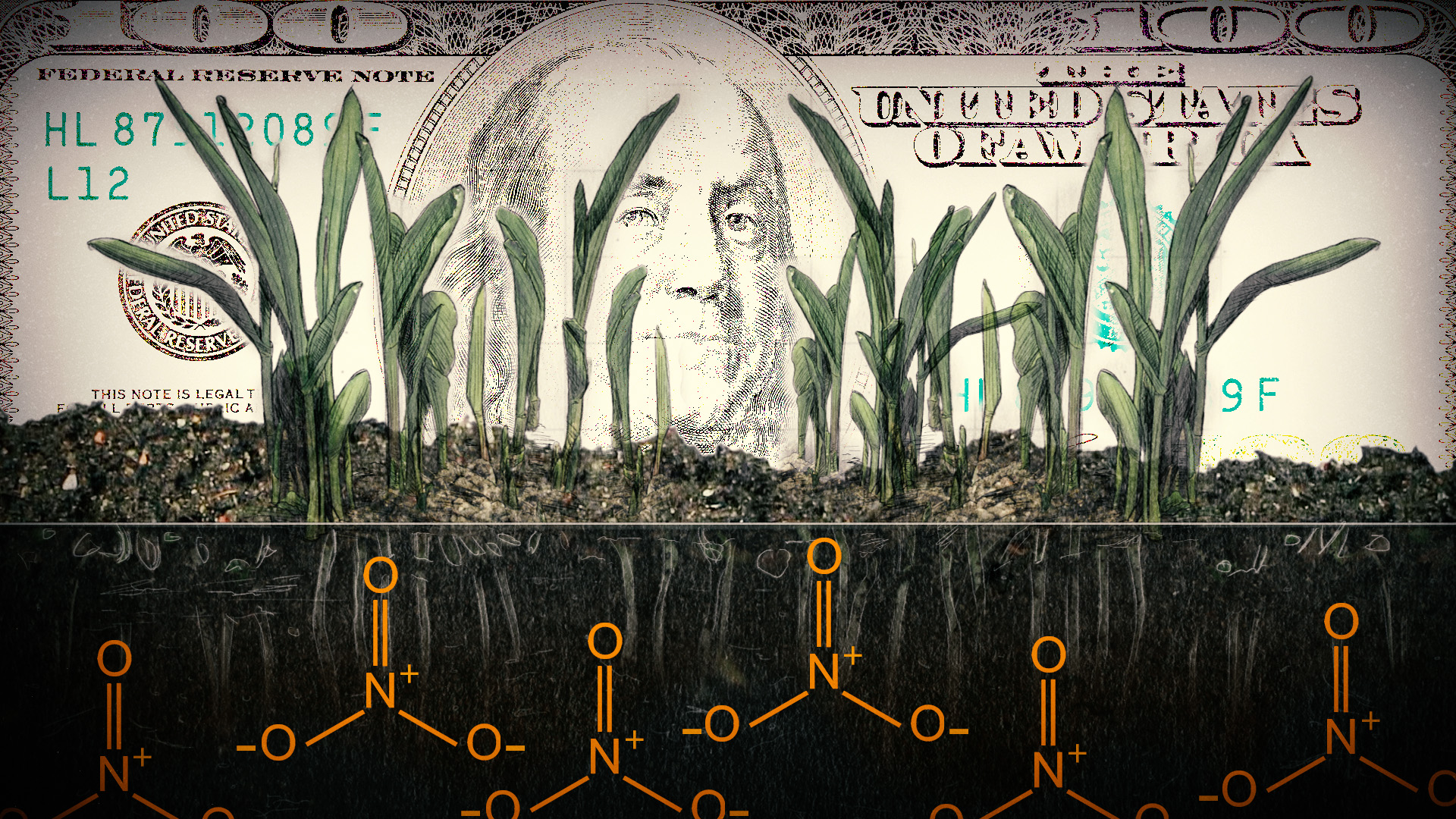
The U.S. agricultural sector, particularly the powerful corn industry, is under increasing scrutiny for widespread nitrate pollution from fertilizers and manure, which contaminates waterways and drinking water. Despite significant environmental impact, Big Agriculture has largely avoided accountability, a dynamic most evident in Iowa's dominant corn industrial complex. This situation underscores growing environmental, social, and governance (ESG) risks and potential future regulatory or litigation exposure for companies within the agricultural supply chain, including food processors, chemical firms, and ethanol producers.
The U.S. agricultural sector, particularly the corn industrial complex, is facing heightened scrutiny for significant environmental damage stemming from nitrate pollution. This issue, which contaminates waterways and drinking water, represents a substantial environmental, social, and governance (ESG) risk that appears to be underappreciated by the market, as suggested by a moderate impact score of 0.45 despite a strongly negative sentiment. The article highlights a systemic lack of accountability for key industry players, including food processors, chemical companies, and ethanol producers, especially in states like Iowa. This creates a latent liability, suggesting that the sector could face future headwinds from increased regulatory oversight, litigation, or mandated changes in agricultural practices, potentially leading to higher operational costs and margin compression for exposed firms.
AI-powered research, real-time alerts, and portfolio analytics for institutional investors.
Request DemoOverall Sentiment
strongly negative
Sentiment Score
-0.70
