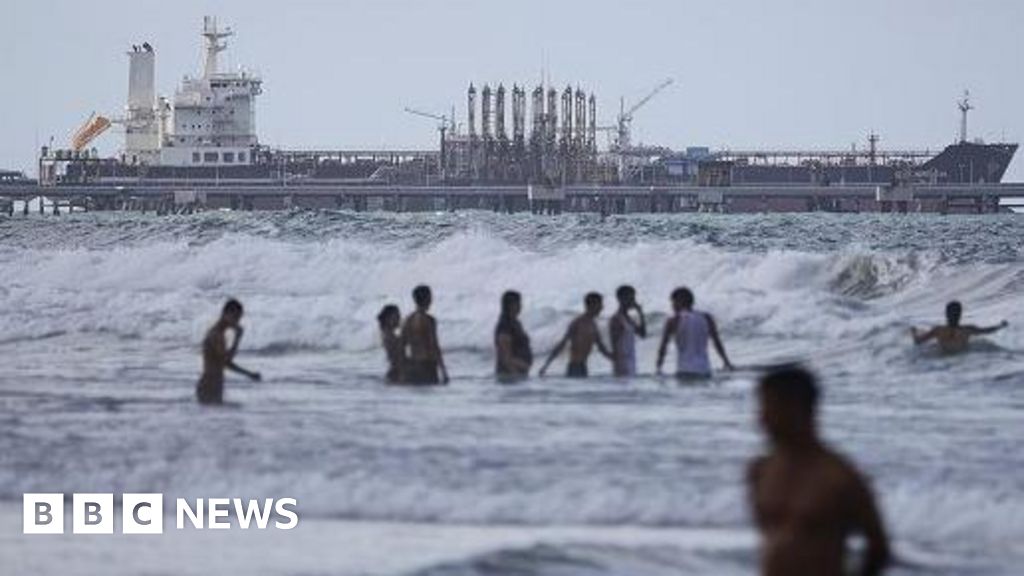
The US has seized two Venezuelan oil tankers and is pursuing a third after President Trump on 16 December ordered a naval blockade of sanctioned tankers entering and leaving Venezuela; Washington says it will retain or sell seized crude and vessels. The move is part of a broader US military buildup in the Caribbean and Pacific — including deployments of ~15,000 troops and carriers — and strikes that the US says targeted drug-smuggling boats, reportedly killing at least 100 people. Venezuela called the actions “extortion” and “recolonisation,” while Russia and China condemned US aggression, raising geopolitical risk and potential disruptions to regional oil flows and shipping that investors should monitor.
Market structure: seizure of Venezuelan tankers removes a portion of heavy sour crude from normal commercial channels while the US reserves the right to sell captured cargo — a net ambiguous short-term shock that raises near-term volatility in heavy crude grades and refinery feedstock allocation. Winners: US Gulf refiners (VLO, MPC, PSX) and trading arms of majors (XOM, CVX) that can arbitrage displaced barrels; losers: PDVSA creditors, maritime owners with Venezuela exposure, and regional exporters facing spillover sanctions. Competitive dynamics shift toward buyers with secure offtake and US-flagged logistics, improving pricing power for refiners with coking capability for 3–12 months.
Risk assessment: tail risks include asymmetric escalation (military clashes, broader Caribbean interdiction) that could spike Brent/WTI >20% in 30 days or trigger secondary sanctions widening EM credit spreads by 200–500bp. Immediate (days): oil volatility and FX moves (USD strengthening); short-term (weeks–months): insurance premiums and tanker rates repriced +20–100% for higher-risk routes; long-term (quarters–years): re-routing supply chains toward Russian/ME heavy crudes, pressuring GOM feedstock margins. Hidden dependencies include insurance market capacity and ISM of China buying heavy sour crude as a substitute; catalysts: US policy shifts, UN/China/Russia diplomatic responses, and domestic Venezuelan political change.
Trade implications: tactical long oil exposure (3–6 month horizon) and tanker equities play, simultaneous underweight EM sovereign credit and selective long US refiners; use options to size convexity because timing is uncertain. Expect knock-on impacts to EMB and LATAM bank CDS; hedge equity beta with 10y UST or gold if risk-off deepens. Entry: act within 1–4 weeks while volatility is elevated; exits at defined triggers (WTI up 15% or insurer rate normalization).
Contrarian angles: consensus assumes sustained oil shortage — but US seizure-and-sale strategy can temporarily increase US supply and cap prices if Washington liquidates cargo (dampening >10% rally). Historical parallels: Iran/Libya interdictions produced 4–8 week spikes then substitution; mispricing likely in short-dated oil vol and tanker equities where sentiment overshoots fundamentals. Unintended consequence: sanctions may redirect buyers to Russian sour crude, strengthening Russia’s bargaining position and depressing Western refiners’ margins after 6–12 months.
AI-powered research, real-time alerts, and portfolio analytics for institutional investors.
Request DemoOverall Sentiment
moderately negative
Sentiment Score
-0.50
