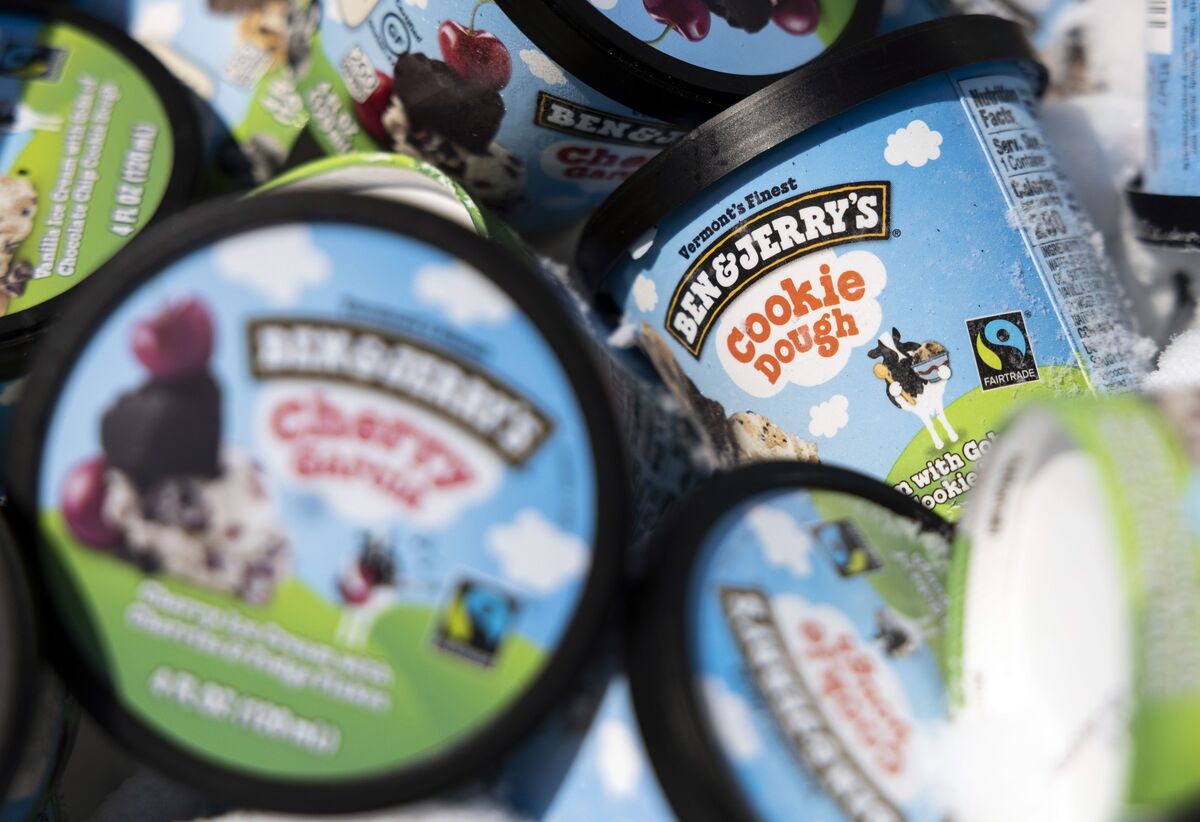
Unilever completed the spinoff of The Magnum Ice Cream Co., which began trading in Amsterdam at €12.20 — below the technical reference price of €12.80 — with listings also set to start in London and New York. The separation is designed to give the world’s largest ice cream business a standalone platform to try to revive performance; the below-reference opening suggests tepid initial demand and a cautious market reception.
Winners are active value/activist investors and premium competitors (e.g., NSRGY/Nestlé) who can buy weakness in a narrowly focused ice-cream operator; losers are short-duration momentum holders and any legacy Unilever (UL) holders who anticipated a clean re-rate. As a standalone, Magnum sacrifices scale benefits (procurement, shared services) which pressures margins initially, but brand pricing power in premium segments could protect ASPs if marketing spend is sustained.
The sub-reference open signals weak immediate demand and potential supply imbalance of available float vs buy-side appetite; expect elevated secondary issuance risk if Magnum needs liquidity — this would increase share supply and cap gains. Cross-asset: limited sovereign/bond impact, but equity options IV should spike near first standalone results; GBP/EUR flows could be modestly affected around London/Amsterdam trading windows and dairy/cocoa commodities exposure remains relevant for input-cost beta.
Tail risks: major supply-chain shocks (dairy/cocoa price +30% YoY) or legal/brand recalls could wipe 30-50% of market cap in a stress scenario; regulatory/transfer-pricing disputes with UL are low-probability but high-impact. Near term (days–weeks) expect volatility and potential follow-through down 10–20%; medium term (3–12 months) hinges on first standalone earnings and SSS growth; long term depends on margin recovery and whether management executes SKU rationalization and DTC expansion.
Contrarian: market may be underestimating conversion of Magnum’s premium pricing into cash returns — if management commits to 4–6% EBIT margin expansion and share buybacks, upside is meaningful. Historical spinoff peers often underperform first 6–12 months then re-rate; watch first 90-day guidance and any parent-supplier contracts as decisive catalysts.
AI-powered research, real-time alerts, and portfolio analytics for institutional investors.
Request DemoOverall Sentiment
mildly negative
Sentiment Score
-0.25
Ticker Sentiment
