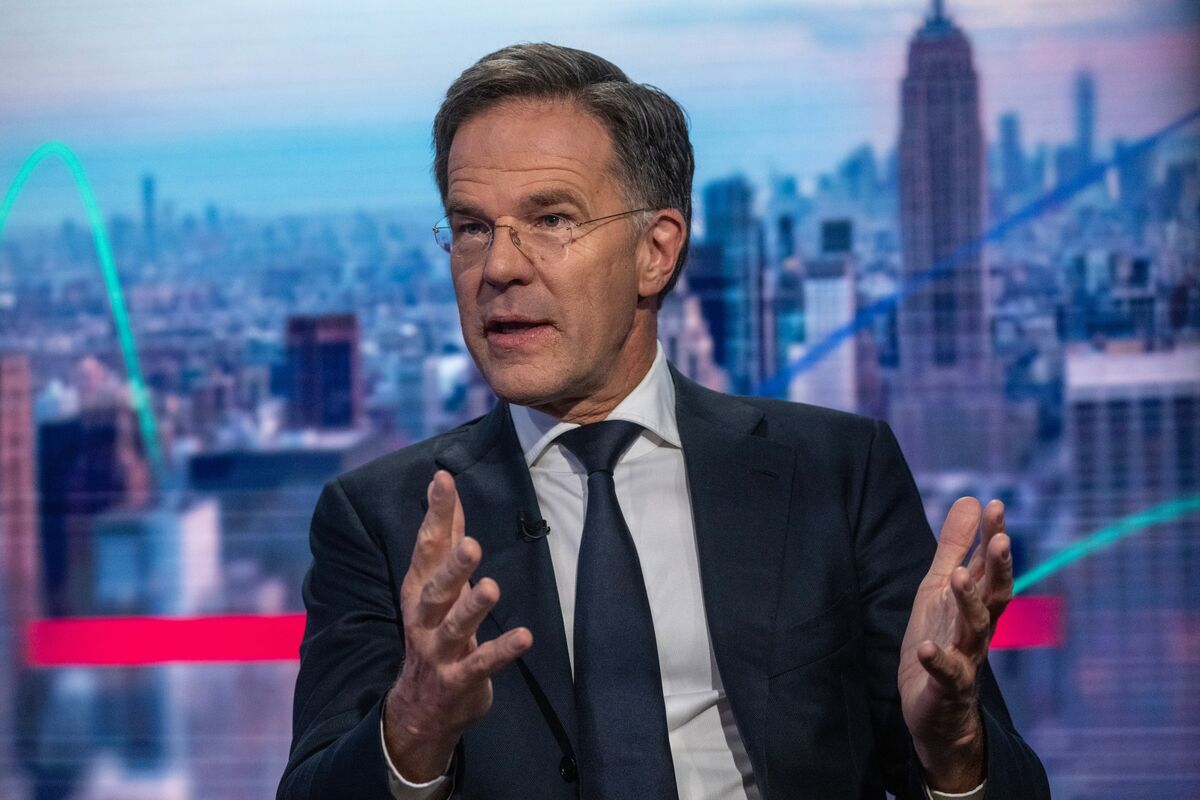
NATO Secretary General Mark Rutte stated that Western militaries cannot sustainably use expensive missiles, costing up to $1 million, to counter cheap drones, which can cost as little as $1,000. He emphasized that NATO is rapidly developing new technologies and learning from Ukraine to find more cost-effective anti-drone solutions, signaling a critical shift in defense spending and R&D priorities towards economically viable countermeasures.
NATO Secretary General Mark Rutte’s statement highlights a critical and economically unsustainable challenge for Western militaries: the severe cost asymmetry in countering low-cost unmanned aerial systems (UAS). The use of missiles, costing between $500,000 and $1 million, to neutralize drones valued at as little as $1,000 to $2,000, is depleting expensive munitions stockpiles at an untenable rate. This public acknowledgment from NATO's leadership signals a formal, high-priority shift in defense procurement and R&D strategy. The explicit mention of 'rapidly developing the technologies' based on lessons from Ukraine indicates that significant capital is likely to be reallocated towards innovative, lower-cost counter-drone solutions, creating a clear demand signal for a new class of defense systems and potentially disrupting the traditional air defense market.
AI-powered research, real-time alerts, and portfolio analytics for institutional investors.
Request DemoOverall Sentiment
mixed
Sentiment Score
0.00
