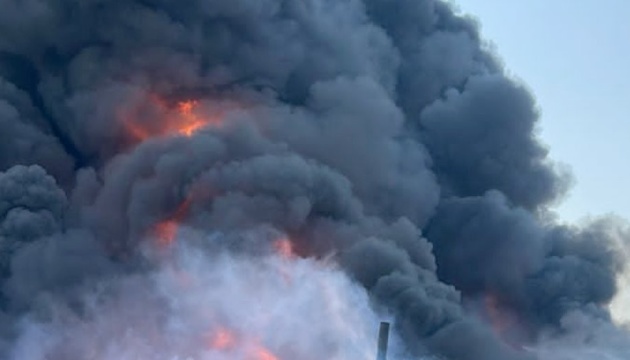
Ukrainian forces struck the command post for Russian Black Sea Fleet warships in Sevastopol on April 21-22, along with multiple Russian command posts and troop concentrations in Crimea, Kursk, Kharkiv, Donetsk, and Belgorod regions. Damage and casualty assessments are still ongoing. The report underscores continued escalation in the Russia-Ukraine war, with limited direct market impact but elevated defense and geopolitical risk.
This is less about the tactical damage than the signaling effect: repeated successful strikes on Crimea’s naval C2 and EW nodes raise the perceived cost of operating high-value Russian assets from the rear, which can force a quieter but more expensive posture across the Black Sea theater. The immediate market read should be on risk premium, not commodity supply disruption; the first-order military impact is limited, but the second-order effect is increased dispersion in Russian air defense and electronic warfare resources, which typically degrades interception efficiency over subsequent days to weeks.
The more interesting implication is for Russia’s force allocation tradeoff. To harden Sevastopol and adjacent logistics, Moscow must either divert air defense from other fronts or accept lower survivability of naval and command infrastructure, both of which reduce operational flexibility. That tends to favor Ukrainian drone economics over time: low-cost strike systems forcing multi-layer defensive spending is an asymmetry that can persist for months and is hard to “solve” without major capital and personnel reallocation.
For broader markets, this is modestly supportive of defense equities only if the event is viewed as part of a sustained escalation ladder rather than a one-off headline. The bigger channel is Europe risk sentiment: any follow-on strikes that hit Black Sea logistics, energy infrastructure, or raise retaliation risk can widen regional volatility, but absent a shipping disruption or NATO spillover, the macro effect remains contained. The contrarian miss is that investors often overtrade the headline and undertrade the budgetary and inventory implications of prolonged attrition—munitions consumption, air-defense replenishment, and drone procurement cycles matter more than the strike itself.
AI-powered research, real-time alerts, and portfolio analytics for institutional investors.
Request TrialOverall Sentiment
mildly negative
Sentiment Score
-0.20
