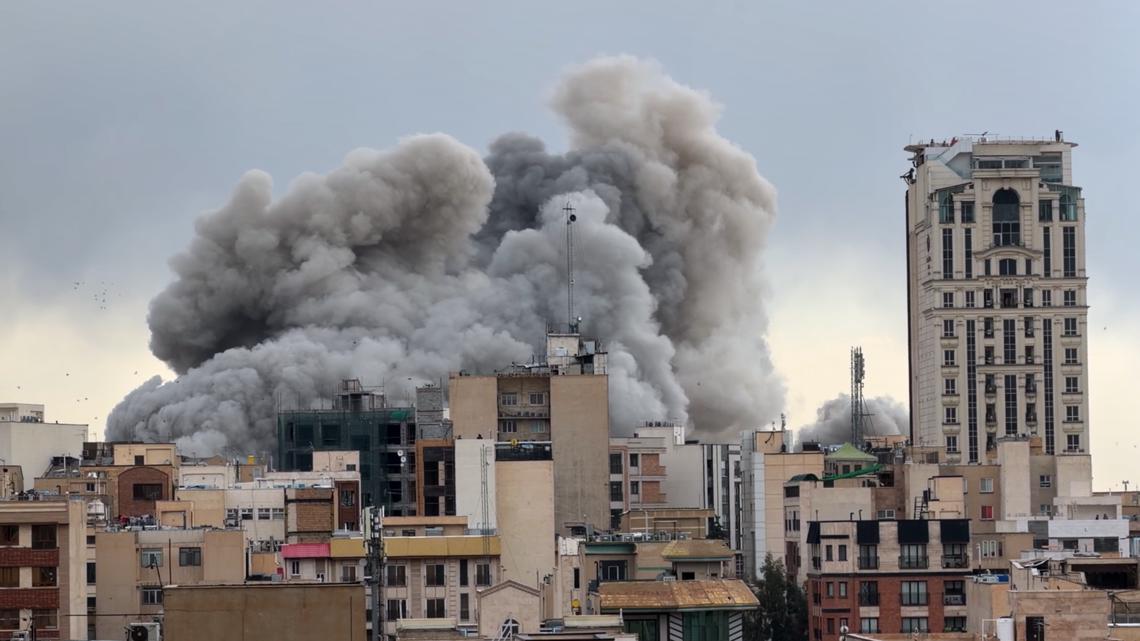
Brent crude is up roughly 20% since the war began as Iran's strikes on shipping and the UAE (two drones hit near Dubai International Airport; four wounded) have effectively disrupted traffic through the Strait of Hormuz, which handles about 20% of global oil shipments. Shipping has been severely curtailed (security tracker Neptune P2P: seven transits reported since March 8 vs ~100 ships/day ordinarily) and Iran-loaded exports resumed via Jask with a ~2 million barrel lift on March 7, raising the risk of sustained supply shocks and higher insurance/premia. Regional targeting of banks and financial infrastructure, plus continued strikes and potential mining of the strait (cleanup could take weeks), imply elevated volatility across energy markets, EM FX and regional financial centers (notably Dubai).
The most direct market lever here is friction in tanker and container logistics rather than a pure supply shortfall: longer voyage times (adding roughly 10–14 days round trip for Gulf→Asia cargoes if ships must route around Africa) reduces annual cargo rotations by ~25–35% for VLCCs and Suezmaxes, tightening available tonnage and lifting time-charter and spot rates independently of spot crude fundamentals. That creates a near-term arbitrage: physical crude scarcity in destination markets versus floating storage/contango opportunities as charter scarcity and insurance premia push up land/sea logistics costs.
Financial and service-sector knock-ons are underpriced. Elevated war-risk premiums will be reflected first in marine hull/P&I and trade credit costs, then in higher transaction costs for Gulf-based commodity traders and banks that issue SBLCs. A sustained repricing of political risk to regional financial hubs can trigger rapid USD liquidity demand and asset reallocation that pressures local funding spreads even if sovereign buffers remain large.
Tail risks and reversal channels are asymmetric and time-staggered: mining or widescale interdiction of chokepoints creates multi-week cleanup tail risk that would keep tanker rates elevated for months, while a credible diplomatic de-escalation or large SPR release could cut oil risk premia within 2–6 weeks. Expect knee-jerk volatility over days, structural rerouting/insurance repricing over 1–6 months, and potential long-run shifts in shipping lanes and supplier diversification over years. The market consensus is focused on crude price direction; the tradeable edge is concentrated exposure to logistics (tankers, insurance, freight) and pure financial hedges rather than only spot oil exposure.
AI-powered research, real-time alerts, and portfolio analytics for institutional investors.
Request DemoOverall Sentiment
strongly negative
Sentiment Score
-0.85
