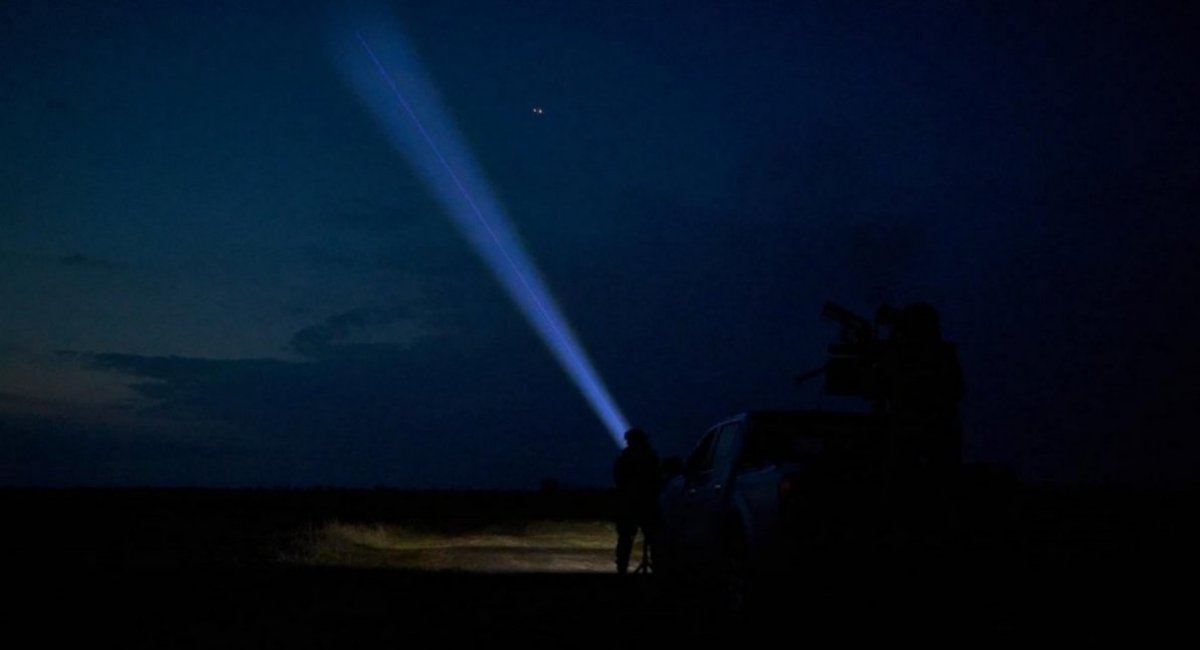
Russia's aerial campaign against Ukraine is significantly escalating in scale and frequency, with average massed drone and missile salvos surging from over 100 in 2022 to more than 360 per strike by 2025, and attack intervals narrowing to just eight days from over a month. This intensified tempo, evident in recent record-breaking strikes involving over 800 drones, aims to overwhelm Ukrainian air defenses and sustain pressure. However, Ukrainian counter-strikes on Russian production facilities are increasingly disrupting the tempo, indicating rising costs for Moscow, even as Russia integrates new technologies like mesh modems and cameras into its drones.
Russia's aerial campaign against Ukraine has entered a phase of significant intensification, characterized by a sharp increase in both the scale and frequency of attacks. Analysis from the Center for Strategic and International Studies (CSIS) reveals that the average massed drone and missile salvo has surged from just over 100 munitions in 2022 to more than 360 in 2025, with recent strikes involving over 800 drones. Concurrently, the operational tempo has quickened dramatically, with the interval between these massed attacks shrinking from over a month to just eight days. This strategic shift, which has increased the proportion of massed strikes from 4.5% to over 13% of all aerial attacks, aims to overwhelm Ukrainian air defenses and exert sustained pressure. However, this escalation is not without countermeasures; Ukrainian strikes on Russian production facilities for Shahed drones have been noted as a disruptive factor, indicating a rising cost for Moscow's campaign. Furthermore, Russia is actively upgrading its drone technology, systematically equipping Geran-2 drones with mesh modems and cameras, signaling a continuing technological arms race within the conflict.
AI-powered research, real-time alerts, and portfolio analytics for institutional investors.
Request DemoOverall Sentiment
moderately negative
Sentiment Score
-0.40
Ticker Sentiment
