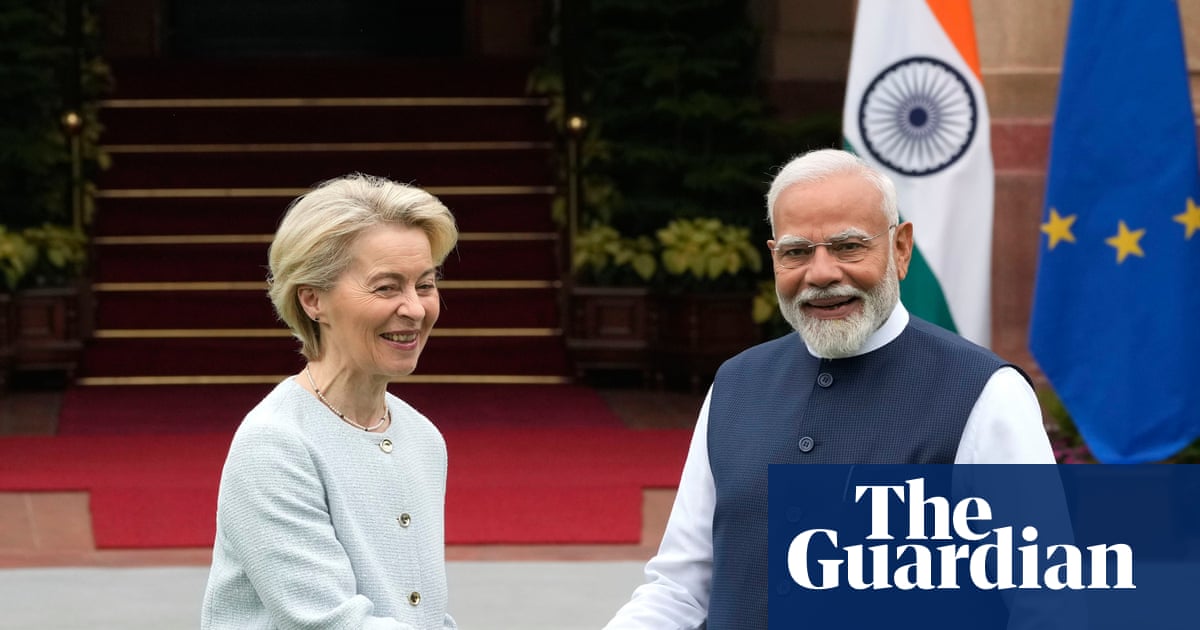
The EU is actively pursuing closer strategic and trade ties with India, its largest trading partner, aiming to finalize a trade agreement by year-end, despite significant geopolitical friction. EU officials, including Kaja Kallas and Maroš Šefčovič, acknowledged "clear areas of disagreement" over India's participation in Russian military exercises and its continued purchase of discounted Russian oil, which the EU views as funding the war in Ukraine. This complex dynamic is further complicated by US demands for 100% tariffs on India and the EU's consideration of tightening secondary sanctions, highlighting the bloc's challenges in balancing trade objectives with geopolitical concerns amid global realignments.
The European Union's strategic initiative to finalize a free trade agreement with India by year-end is encountering significant geopolitical headwinds, creating uncertainty around a trade relationship that has grown 90% in the last decade. EU officials explicitly cite "clear areas of disagreement," primarily India's continued economic and military ties with Russia, including its participation in military exercises deemed an "existential threat" by frontline EU states and its purchases of discounted Russian oil. This friction complicates the EU's objective to build alliances and is exacerbated by external pressure from the US for punitive 100% tariffs on Indian goods and internal EU calls, such as Poland's push for a faster (2026) phase-out of Russian oil. The EU's lead trade negotiator, Maroš Šefčovič, has expressed a downbeat view on the latest round of talks, emphasizing the need for a "fair and balanced" deal, a high bar given the political complexities and the precedent of stalled agreements like the Mercosur pact. The situation highlights a fundamental conflict between the EU's economic interests and its geopolitical and security imperatives regarding the war in Ukraine, placing the viability of the trade deal in serious question.
AI-powered research, real-time alerts, and portfolio analytics for institutional investors.
Overall Sentiment
moderately negative
Sentiment Score
-0.40
