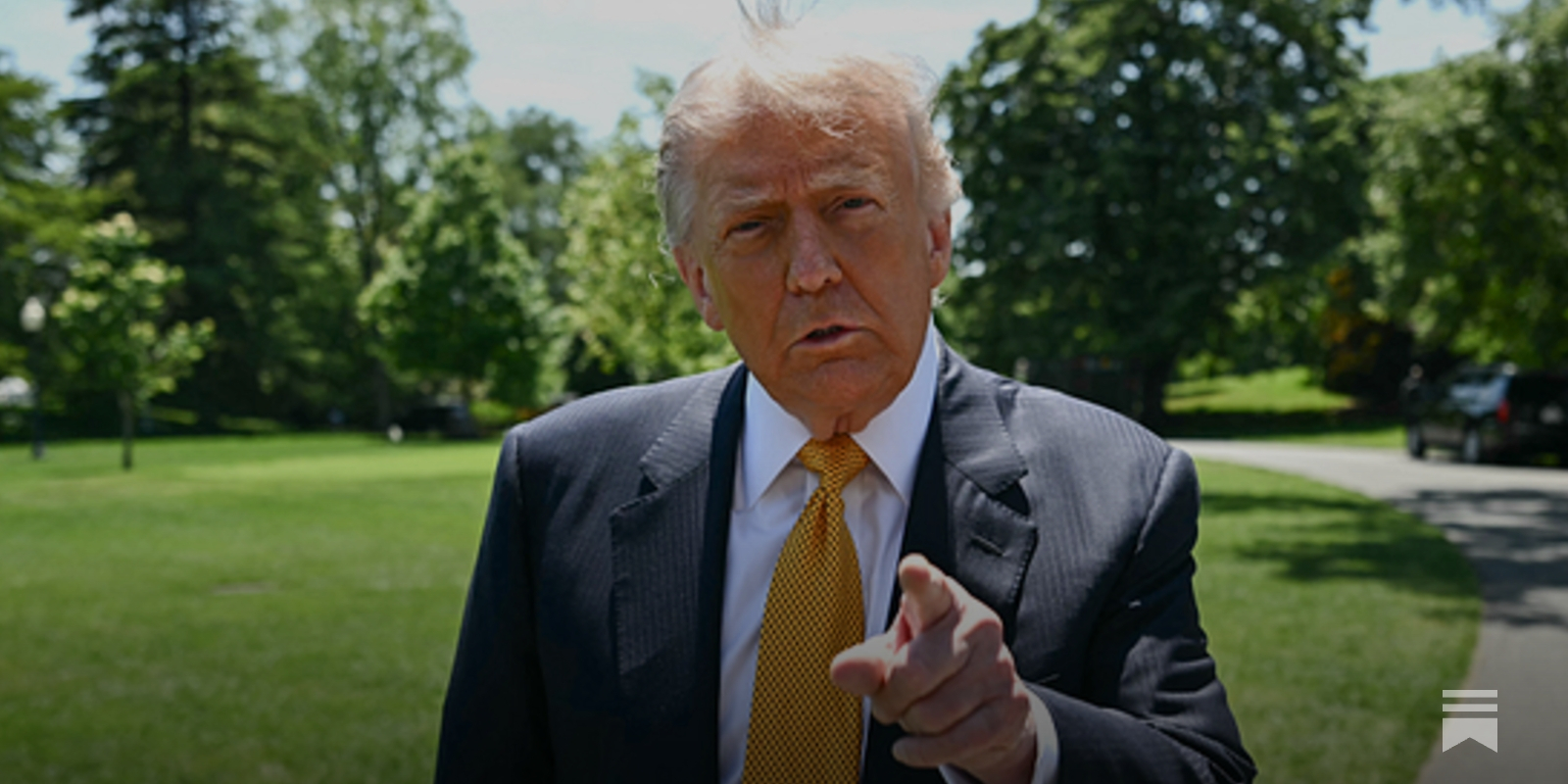
Trump administration sources say preparations for a renewed phase of the Iran war have accelerated, with the U.S. ready to ramp up strikes within days after Trump returns from China. Reported options include a new bombing campaign and possible ground or special-forces operations to remove highly enriched uranium stockpiles. The article implies escalating Middle East conflict risk and potential spillovers to defense, energy, and broader risk assets.
The immediate market reaction should be assessed less as a broad risk-off and more as a regime shift in tail probabilities. A renewed strike campaign raises the odds of a short, violent dislocation in energy, freight, and defense procurement timelines, but the second-order effect is tighter sanctions enforcement and higher risk premia across any supply chain with Gulf exposure. The most vulnerable assets are not the obvious oil beta names; it is the downstream industrials and transport complex that get hit twice—first on input costs, then on margin compression if shipping insurance and rerouting costs spike. The key catalyst window is days, not months. Once the White House has operational flexibility, markets will price a credible strike risk immediately, while actual escalation would likely occur in a concentrated burst that can gap crude, defense, and volatility. A ground-ops scenario is a low-probability, high-conviction tail that would be materially more disruptive than an air-only campaign because it extends duration, raises U.S. casualty risk, and makes any negotiated off-ramp much harder to restore. The contrarian setup is that an initial military move could paradoxically soften after the first spike if it is perceived as limited and then followed by a fast diplomatic reset. That means chasing energy outright may be less attractive than owning convexity and relative-value exposure: vol, defense execution, and sanctions beneficiaries. The most interesting medium-term trade is that any renewed conflict likely accelerates Western rearmament, air-defense demand, and stockpiling behavior across critical minerals and munitions, creating a multi-quarter bid under select defense and materials names even if crude mean-reverts. One risk the market may be underestimating is retaliation asymmetry: Iran does not need a large kinetic response to inflict economic damage; a modest disruption to maritime traffic or proxy attacks can widen spreads and insurance costs faster than headline oil price alone implies. That creates a richer opportunity in options and relative shorts than in directional index positioning.
AI-powered research, real-time alerts, and portfolio analytics for institutional investors.
Request DemoOverall Sentiment
strongly negative
Sentiment Score
-0.75
