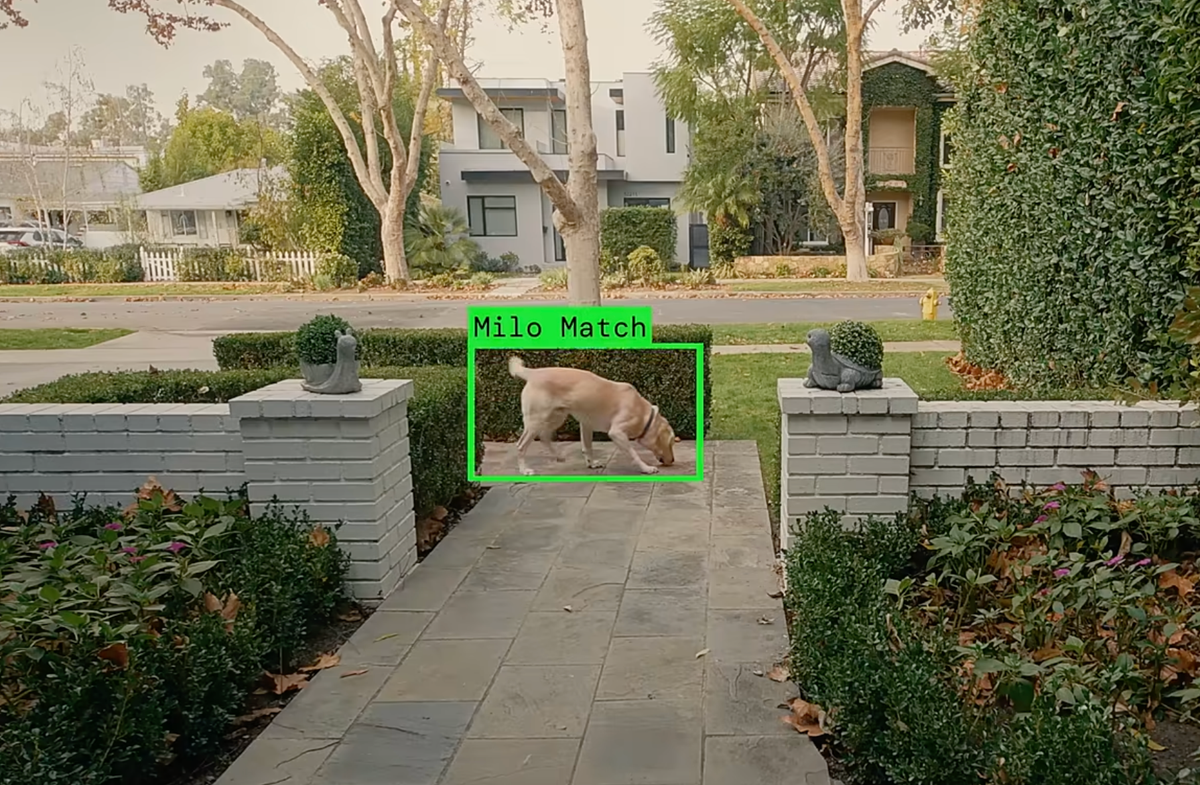
Ring launched an on-by-default, AI-powered feature called Search Party in October that links Ring cameras across neighborhoods to search for lost dogs; the company promoted the tool in a Super Bowl ad and faced significant public backlash. In an internal email obtained by 404 Media, founder Jamie Siminoff said the tool was introduced “first for finding dogs” but signaled intent to expand capabilities toward reducing crime, raising reputational, privacy and potential regulatory risk for the company and prompting scrutiny that could affect user adoption and oversight.
Market structure: The Ring episode shifts marginal demand away from unregulated, networked DIY camera features toward professionally monitored or privacy-first offerings. Winners: incumbents with compliance/monitoring revenue (ADT, ALRM) and surveillance-adjacent AI vendors that can sell to municipalities; losers: pure-consumer IoT camera plays (ARLO) and hardware-led growth models dependent on viral adoption. Expect modest re-pricing: a 5–15% rerating on small-cap IoT names within 1–3 months if regulatory scrutiny escalates; safe-haven assets (USTs) may see a 5–10bp move lower in yields in acute risk-off windows.
Risk assessment: Tail risks include multi-state bans or FTC enforcement that could reduce Ring-like feature TAM by 20–40% and trigger class-action fines in the $100M–$1B band for large players, concentrated over 3–18 months. Immediate risk (days–weeks) is reputational/PR-driven churn; short-term (1–3 months) is legislative proposals in key states; long-term (6–24 months) is structural limits on neighborhood-net surveillance and higher compliance cost (AI model audits, opt-in flows). Hidden dependency: Amazon’s backend (AWS/AI compute) monetization could paradoxically benefit even if hardware units soften, shifting margin mix.
Trade implications: Tactical trades should target small-cap IoT downside volatility and long exposure to professional security services. Use 1–3 month option structures to harvest elevated IV on ARLO and maintain small hedges on AMZN core exposure; consider a 3–12 month theme trade into ADT/ALRM for upside if DIY features are curtailed. Catalysts to act: municipal ordinances or a public FTC/DOJ inquiry within 30–90 days, and quarterly results showing slowing unit growth for DIY camera vendors.
Contrarian angles: Consensus expects regulatory pain for all camera vendors, but markets may underprice the two-way flow: regulatory limits could raise barriers to entry, benefiting well-capitalized incumbents (AMZN, ADT) and AI vendors selling compliance tooling. Historical parallel: Facebook privacy shocks caused short-term drawdowns but longer-term ad dominance; similarly, Amazon can absorb short-term hits and monetize privacy/AI controls. Mispricing window likely 1–6 weeks post-PR spike; opportunities favor volatility sells on over-levered small caps and selective longs in regulated-compliant providers.
AI-powered research, real-time alerts, and portfolio analytics for institutional investors.
Request DemoOverall Sentiment
moderately negative
Sentiment Score
-0.35
