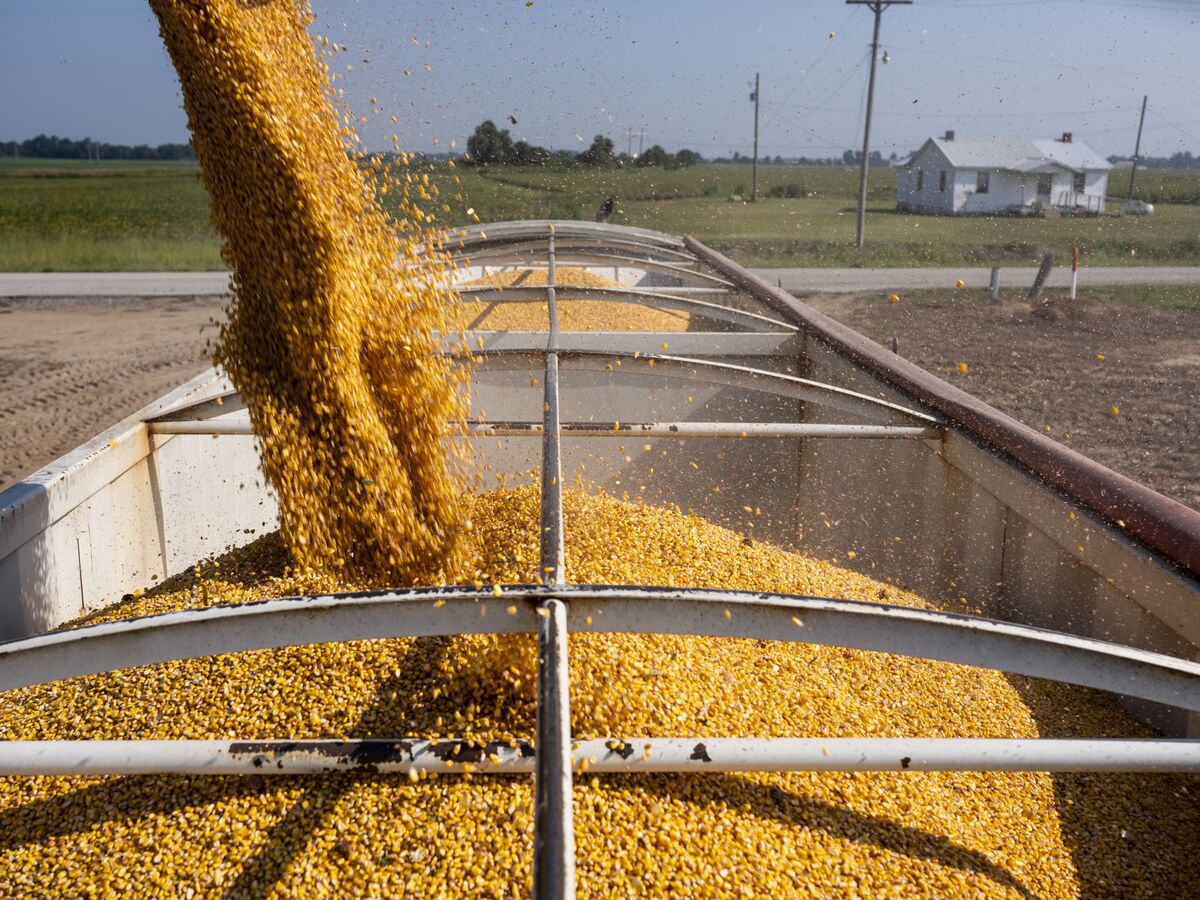
Chicago corn prices climbed to a one-month high, driven by robust demand and a lower-than-expected production outlook. This surge is supported by strong U.S. export sales, with the USDA reporting 2.8 million tons of net sales in the week ending August 14, signaling continued upward pressure on the agricultural commodity.
Chicago corn prices have surged to a one-month high, a movement underpinned by a clear fundamental imbalance between supply and demand. The primary drivers are robust demand for U.S. exports, quantitatively supported by the Department of Agriculture's reported 2.8 million tons of net sales in the week ending August 14, and a concurrent outlook for lower-than-anticipated production. This combination of strong offtake and constrained supply is creating significant upward price pressure on the agricultural commodity, signaling a bullish environment that has attracted investor attention, as reflected in the highly positive sentiment for related instruments like the Teucrium Corn Fund (CORN).
AI-powered research, real-time alerts, and portfolio analytics for institutional investors.
Request DemoOverall Sentiment
strongly positive
Sentiment Score
0.75
Ticker Sentiment
