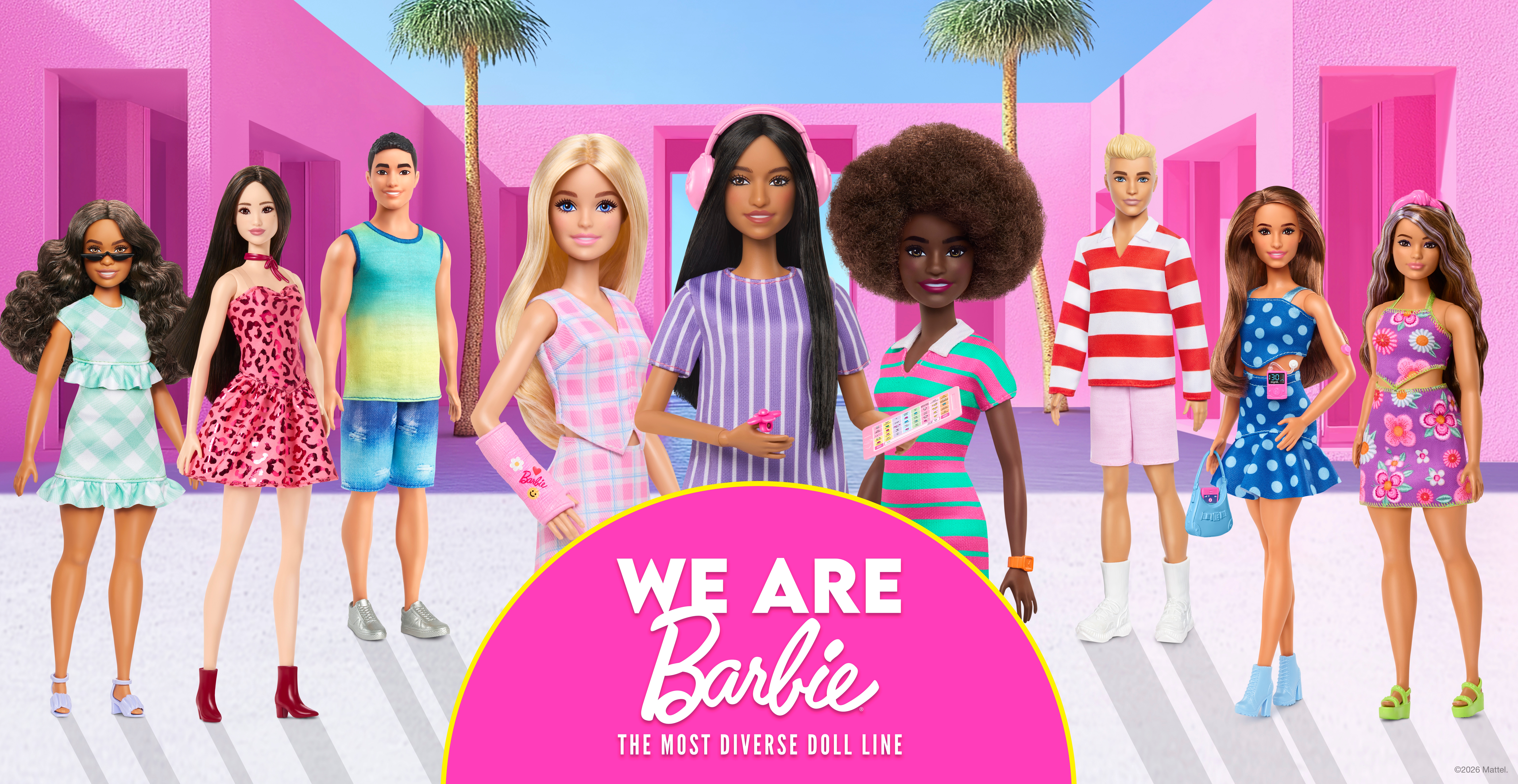
Barbie has introduced its first autistic Barbie doll as part of a representation and inclusion initiative, aiming to better reflect neurodiverse children through play. The product launch bolsters the brand’s diversity credentials and may modestly broaden consumer appeal and retail demand, supporting Mattel’s ESG positioning; no sales, pricing or financial metrics were disclosed and the development is unlikely to materially affect near-term company fundamentals or stock performance.
Market structure: Mattel (MAT) is the clear direct beneficiary as an incumbent with scale in dolls; expect low-single-digit incremental unit demand (1–3%) for Barbie SKUs over the next 3–12 months as representation drives gift purchases and repeat buys from families with autistic children. Competitors such as Hasbro (HAS) and smaller specialty doll makers face modest share erosion and increased pressure to match inclusive SKUs, which could compress promotional intensity and raise realized prices by ~50–150bp in the dolls subcategory if retailers reduce discounting. Supply/demand is unlikely to stress upstream commodity markets (plastics) but may require modest CAPEX or retooling costs in Mattel’s manufacturing lines, pushing near-term gross margin tailwinds if sell-through reduces markdowns.
Risk assessment: Tail risks are reputational and operational — a product safety recall or viral backlash could swing sentiment and shares by >15% in days; regulatory/legal risk is low but litigation over representation claims could cost $10–50m. Time horizons: immediate buzz (days–weeks), measurable retail sell-through (weeks–months, especially holiday window), and brand equity/earnings impact over quarters (2–4 quarters). Hidden dependencies include retailer assortment/placement (Target/Walmart shelf space drives outcomes) and partnership authenticity with autism groups; catalysts include holiday marketing, movie/media tie-ins, and influencer amplification.
Trade implications: Direct play is a tactical long in MAT via options to cap downside and capture upside into the holiday quarter; recommended structure is a 6-month call spread (buy ATM, sell 15% OTM) sized 1–2% of portfolio. Pair trade: go long MAT and short HAS equal notional (3–6 month horizon) to express relative share capture. Use protective puts (3-month, strike ~10% below entry) on 50% of the MAT notional to hedge recall/backlash risk. Overweight retailers with strong toy placement (TGT, WMT) by 0.5–1% for the holiday sales window.
Contrarian angles: Consensus likely underestimates both upside and downside — upside is capped (low-single-digit category growth) so buying pure equity without hedges is risky; downside from organized boycotts or a recall could produce >20% drawdowns. Historical parallels: Mattel’s past diversity SKUs produced short-term spikes followed by normalization; therefore treat gains as event-driven and size positions accordingly. Unintended consequences include higher inventory write-offs if the line fails to scale or forces competitors into price cuts that compress margins across the sector.
AI-powered research, real-time alerts, and portfolio analytics for institutional investors.
Request DemoOverall Sentiment
mildly positive
Sentiment Score
0.25
