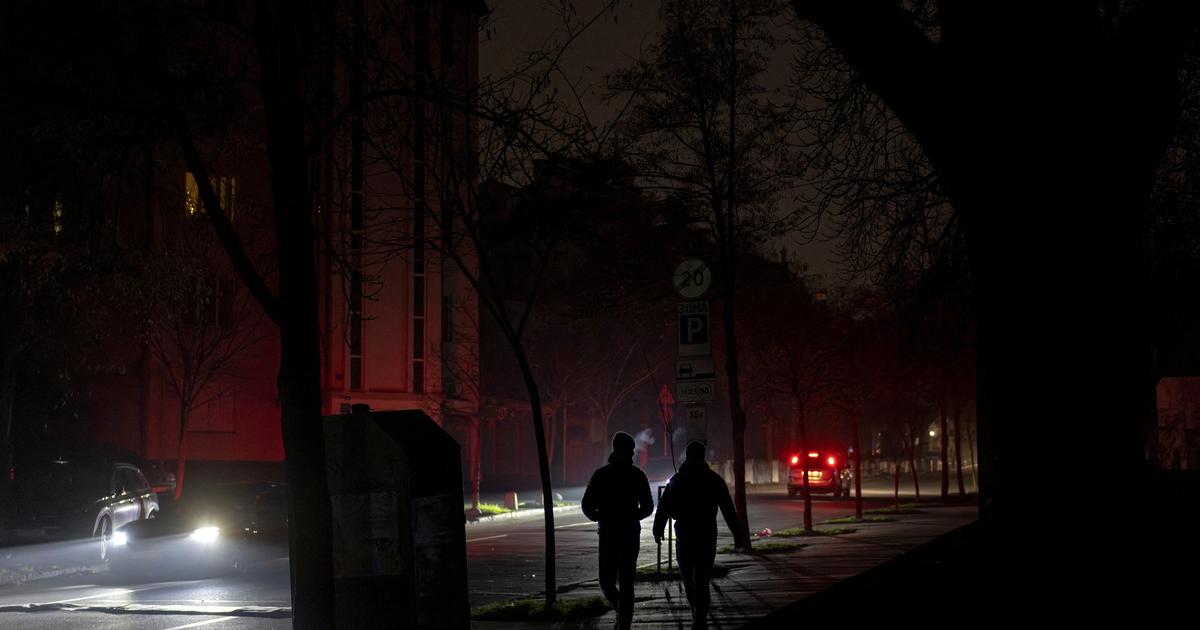
Ukrenergo CEO Vitaly Zaichenko warns Ukraine’s power grid is in its most dire state since 2022 and faces the risk of a prolonged nationwide blackout as Russian forces increasingly target a small number of transmission substations that connect eastern regions to western nuclear baseload plants. Mitigations — including fortified transformers, expanded decentralized capacity (several gigawatts of wind/solar/storage and about 1 GW of midsized gas turbines), rapid engineering, and a large stockpile of spare parts — have so far prevented a total collapse, but persistent corruption and the need for stronger bureaucratic safeguards pose material operational and financial risks. European efforts to sanction additional Russian oil tankers were also noted, underscoring geopolitical spillovers that could affect energy security and regional markets.
Market structure: Immediate winners are air‑defense and systems integrators (RTX, LMT, NOC) and heavy electrical/transformer suppliers (ABB, GE, Siemens/OTC tickers), plus LNG exporters (LNG) and grid‑scale storage providers (NEE, TSLA). Losers are Ukrainian domestic utilities, European gas‑dependent industrials and any contractors reliant on large dam/hydro capacity. Expect 5–15% incremental upside pressure on European gas/NBP/TTF in winter if strikes persist; defense order visibility should lift supplier revenues by mid‑2025.
Risk assessment: Tail risks include a nationwide blackout triggering sovereign/sovereign‑adjacent defaults in Ukraine (months) or an attack on a nuclear site causing global commodity and risk‑off shocks (low probability, extreme impact). Short horizon (days–weeks) sees higher outage volatility and supply chain re‑routing; medium term (3–12 months) corruption cleanups or delays materially alter aid flows and capex timing. Hidden dependency: spare parts and air‑defense munitions availability hinge on Western political cycles and export controls.
Trade implications: Tactical plays favor 6–12 month exposure to defense contractors (2–3% positions) and 3–9 month exposure to grid equipment and storage names (1–2%). Use call spreads to cap premium on names with rising IV; consider buying 3‑month TTF call spreads or LNG equity (LNG) for winter gas spikes. Rotate out of EM/Eastern Europe equities and high‑beta utilities, redeploy into industrials/defense.
Contrarian angles: Consensus overweights pure defense; underappreciated is Ukraine’s decentralization reducing long‑run demand for ultra‑large transformers and increasing recurring demand for distributed storage and mid‑size turbines. Historical parallels (Israel 2014) show a 6–12 month surge then normalization — size positions for a durable 6–18 month re‑rating, not permanent multiple expansion. If anti‑corruption reforms accelerate, reconstruction contractors and listed European EPCs could be the asymmetric recovery winners.
AI-powered research, real-time alerts, and portfolio analytics for institutional investors.
Request DemoOverall Sentiment
strongly negative
Sentiment Score
-0.60
