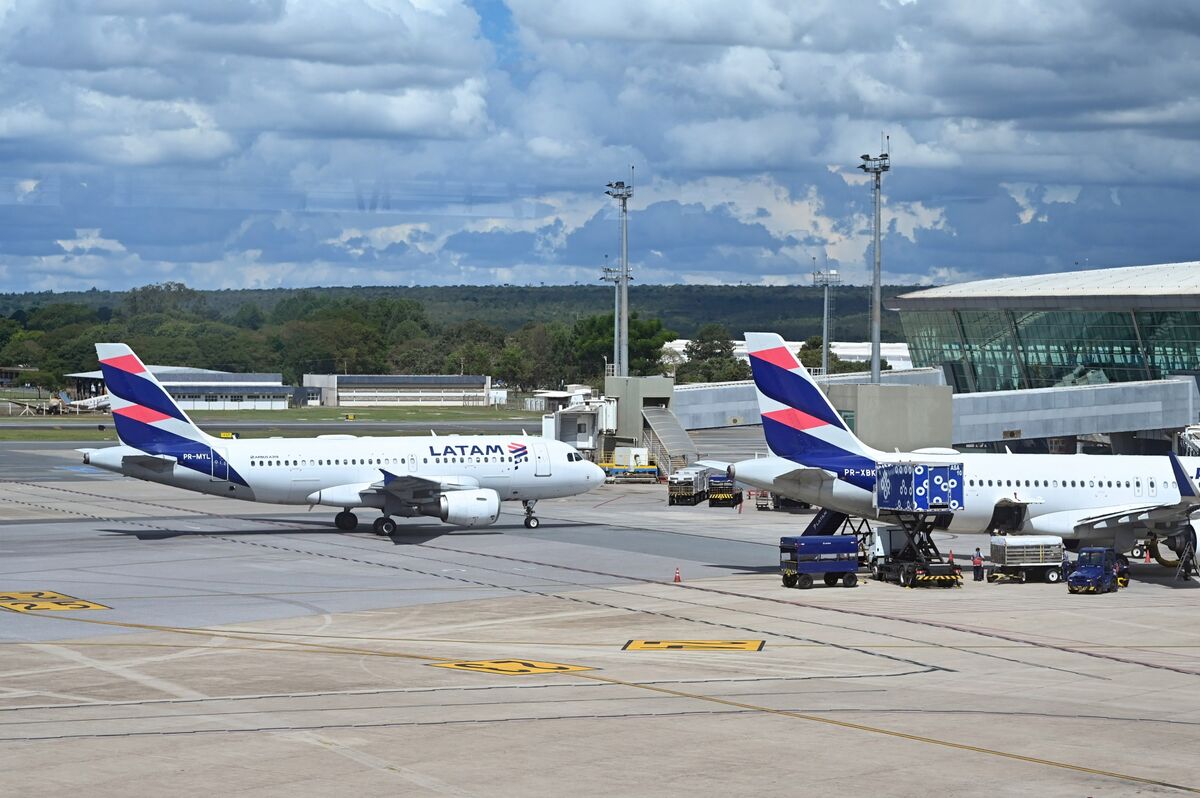
Venezuela revoked the operating licenses of several international carriers that suspended flights after a U.S. Federal Aviation Administration security warning, accusing the airlines of participating in “acts of state terrorism promoted by the United States government.” The National Institute of Civil Aviation said the suspensions were based on a notice from an aviation authority it says lacks jurisdiction; the agency’s Instagram post announcing the revocations was later deleted. The move raises regulatory and geopolitical risk for carriers with exposure to Venezuela and heightens country-specific operational and reputational uncertainty for investors in regional travel and emerging-market assets.
Market structure: The license revocations impose immediate operational cost on international carriers and raise short‑term routing/capacity shortages into Venezuela; expect seat capacity into Caracas to drop by a material single‑digit percent over weeks, pushing regional yields up 3–8% for remaining operators while depressing inbound tourism and cargo flows. Credit and EM risk channels will widen: expect Venezuelan sovereign and nearby frontier credit spreads to underperform by 25–75bps, wider FX volatility in VES and spillover to COP/PEN, and a modest bid for USD and gold as risk‑off assets.
Risk assessment: Tail risks include sharp escalation (complete airspace closure, broader sanctions) that could produce a 20–40% price shock in exposed regional airline equities and 100–300bps moves in EM sovereign CDS; immediate (days) operational disruptions and routes cancellations, short‑term (weeks/months) revenue downgrades for Latin‑exposed carriers, and long‑term (quarters/years) rerouting/market‑exit decisions. Hidden dependencies: insurance/indemnity clauses, overflight rights and cargo contracts can propagate losses into global supply chains and airline insurance pricing.
Trade implications: Tactical plays favor short/hedge exposure to Latin America travel and EM risk and long safe havens: consider short ILF or put protection on EEM/ILF for 30–90 days while owning GLD/UUP as tail‑risk hedge; selectively trim US carriers (UAL/AAL/DAL) if Venezuela exposure >0.5% revenue. Options allow controlled risk: buy 90‑day put spreads on ILF sized to offset 1–3% portfolio drawdown and use tight stop‑losses (6–8%).
Contrarian angle: Consensus may overestimate permanent revenue loss—Venezuela has historically used gestures to signal politics, then reversals occur; mid‑cycle reinstatement within 2–8 weeks would create sharp mean‑reversion in oversold names. Risk of over‑hedging: protective shorts could incur quick losses if licenses are reinstated or airlines receive compensation; stagger entries and size positions assuming a 10–20% tail move, not a >50% conviction event.
AI-powered research, real-time alerts, and portfolio analytics for institutional investors.
Request DemoOverall Sentiment
moderately negative
Sentiment Score
-0.40
