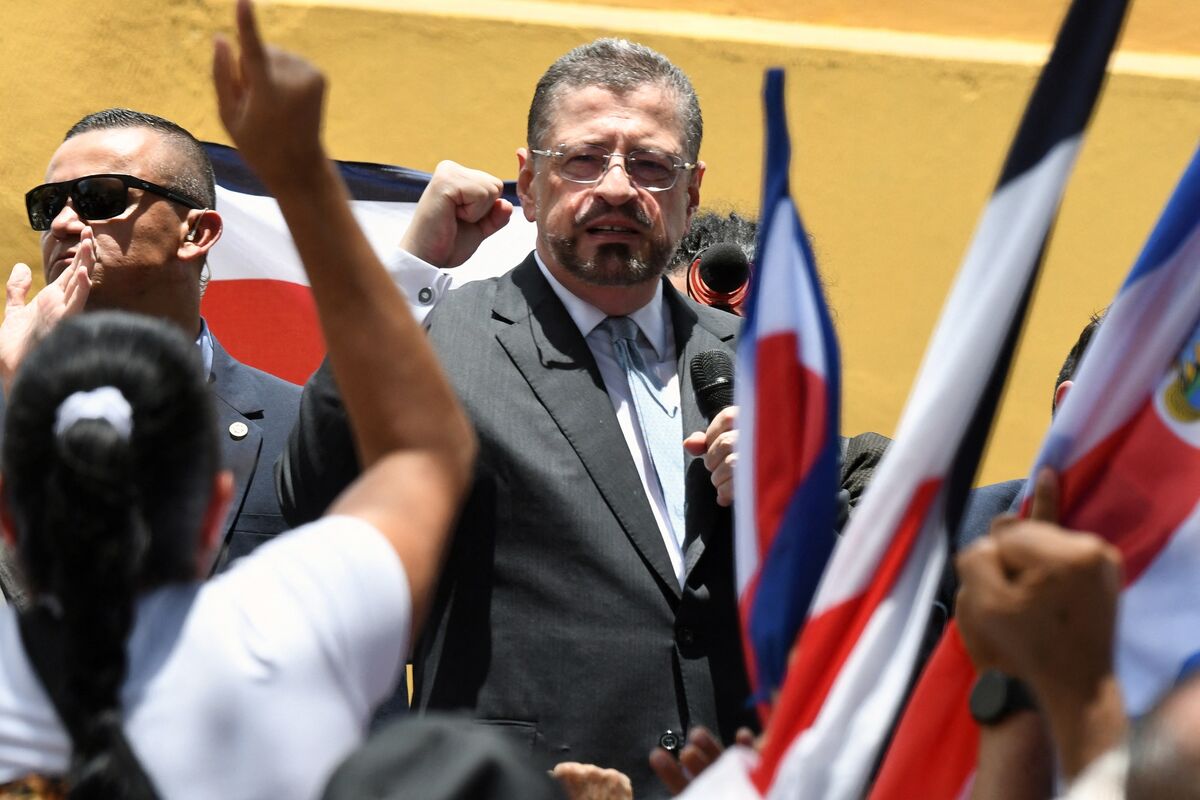
Costa Rican President Rodrigo Chaves retained his immunity from prosecution for alleged influence peddling, as a legislative vote to strip it fell short of the required two-thirds majority. Despite 34 lawmakers voting to remove his immunity against 21 who voted to keep it, the outcome represents a political victory for Chaves and his party ahead of the 2026 general election.
Costa Rican President Rodrigo Chaves has successfully retained his presidential immunity, a development that represents a significant political victory for his administration. Although a majority of lawmakers (34) voted to lift his immunity in response to an influence-peddling investigation, the motion failed to secure the required two-thirds majority, with 21 voting against. This outcome averts a near-term political crisis that a presidential prosecution would have triggered, thereby reinforcing the current government's stability. The event solidifies Chaves's position ahead of the 2026 general election, though the fact that a majority voted against him underscores a deeply divided legislature and persistent political challenges. The low market impact score indicates that while politically significant domestically, the event is not seen as a major catalyst for international investors at this time.
AI-powered research, real-time alerts, and portfolio analytics for institutional investors.
Request DemoOverall Sentiment
mildly positive
Sentiment Score
0.30
