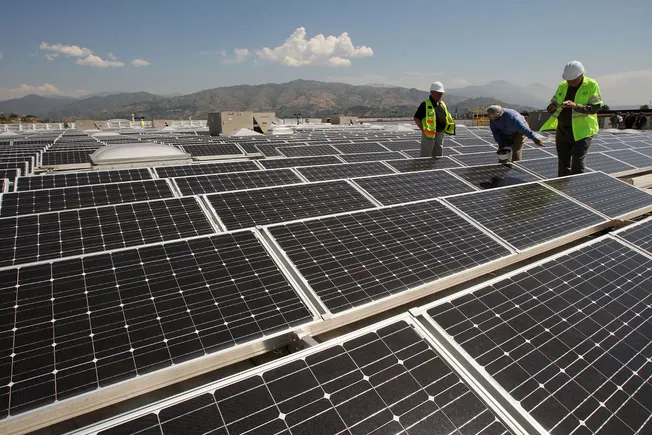
Utility-scale wind and solar reached a combined 17% of U.S. generation in 2025 (wind 464,000 GWh; utility-scale solar 296,000 GWh), and including small-scale solar (93,000 GWh) raises wind+solar to 19% of net generation. Utility-scale solar capacity grew 34% year-over-year vs wind +3%, and developers plan 43.4 GW of new utility-scale solar in 2026 (51% of expected additions), with battery storage slated for 24.3 GW (28%) and wind 11.8 GW (14%). The data indicate accelerating solar-led capacity growth and substantial planned additions in 2026 that are likely sector-positive for solar and storage equipment makers and developers.
The market is entering a phase where capacity additions (particularly modular solar) are changing the revenue composition of power producers from capacity-driven to energy- and flexibility-driven. That shift creates winners among firms that monetize flexibility (storage integrators, aggregator software, PPAs with firming) and losers among assets that rely on scarcity rents (peaking gas turbines, unequipped merchant plants). Expect merchant power prices to exhibit higher intra-day dispersion and more frequent negative-price episodes absent parallel investment in dispatchable or long-duration storage.
Supply-chain and grid-integration frictions will set the real pace of value capture. Semiconductor/inverter bottlenecks, factory ramp cycles for modules and battery cells, and long lead-times for transmission buildouts produce periodic supply tightness that benefits vertically integrated manufacturers and developers with offtake contracts. Conversely, pure-play merchant developers without contracted revenue or tax-equity relationships are exposed to financing squeezes when rates tick up or tax appetite wanes.
Key catalysts to watch in the next 6–24 months are interconnection queue clearances, REC/PPA price trends, and any federal/regulatory moves that change tax-equity availability or add incentives for long-duration storage. Reversal risks include a sharp rise in financing costs, curtailment economics worsening faster than storage rollouts, or material policy backtracks on tax credits — any of which would compress project IRRs and slow buildouts. Monitor credit spreads of major developers and auction/PPA clearing prices as leading indicators of stress or acceleration.
AI-powered research, real-time alerts, and portfolio analytics for institutional investors.
Request DemoOverall Sentiment
mildly positive
Sentiment Score
0.28
