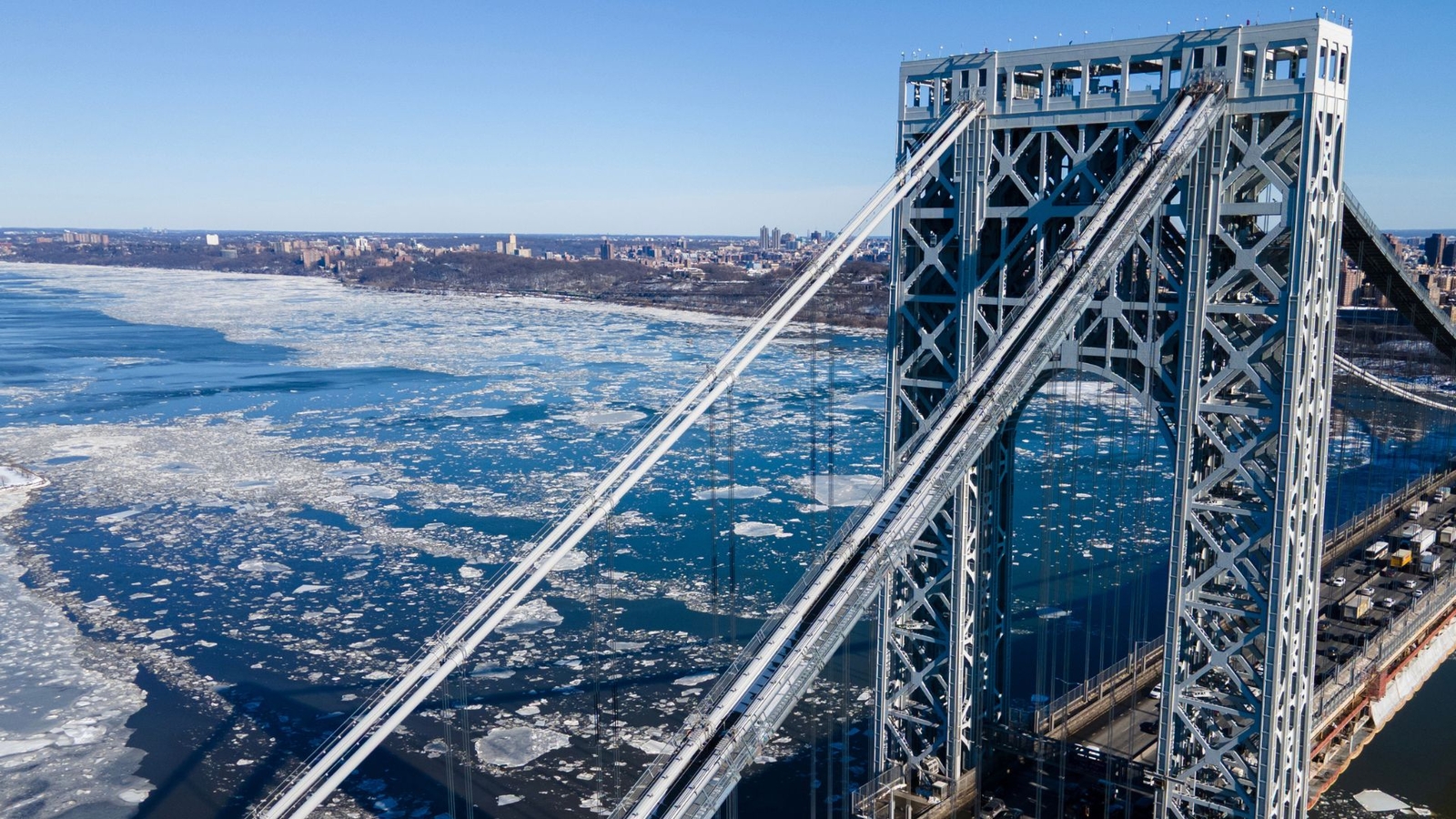
New York is under an Extreme Cold Warning through 1 p.m. Sunday, with city officials opening 60 warming shelters and deploying buses, more than 550 outreach workers and an Enhanced Cold Blue initiative to move vulnerable and homeless residents into safe havens. At least 17 deaths have been reported since the recent snowstorm and cold snap; Mayor Zohran Mamdani has increased visibility and urged residents to stay indoors and to call 311 for assistance. These actions increase near‑term municipal operational activity and social services deployment but are unlikely to materially affect broader financial markets.
Market structure: Extreme cold in NYC creates near-term winners in heating fuels (spot natural gas, heating oil, propane), utilities with gas-fired generation and local distributors (expect 5-15% spot demand-driven moves if cold persists >7 days), and retail categories tied to emergency and winter gear (Home Depot HD, Lowe’s LOW, Walmart WMT). Losers include short-duration municipal liquidity (NYC emergency spending raises short-term issuance), urban-dependent retailers/REITs that lose foot traffic, and P&C insurers facing freeze/flood claims. Cross-asset: expect short-term upward pressure on natural gas futures/UNG, modest widening of NYC muni spreads (+10–40bps), and a small safe-haven bid to Treasuries if outages occur.
Risk assessment: Tail risks include multi-day grid outages (blackouts) that could cause >$100m localized insured losses and major transit shutdowns prompting political pressure and emergency muni issuance; probability low but impact high over 0–30 days. Immediate horizon (0–7 days): volatility in energy and retail sales; short-term (1–3 months): claims development and municipal liquidity pressure; long-term (3–12 months): budget reallocations for housing/homeless services could increase NYC debt issuance and credit scrutiny. Hidden dependency: propane distribution bottlenecks in urban areas can amplify price moves despite national gas balances.
Trade implications: Direct tactical trades: (a) 1–3% portfolio allocation to short-dated bullish natural gas exposure (UNG) via 30–60 day call spreads to capture a 10–40% pop; (b) 1–2% long positions in HD/LOW for an expected 3–8% transitory sales bump over 30–60 days; (c) increase short-duration muni exposure by trimming long-duration municipals by 0.25–0.5 years to limit spread sensitivity. Pair trade: long HD, short M (Macy’s) to express essential retail vs discretionary foot-traffic risk.
AI-powered research, real-time alerts, and portfolio analytics for institutional investors.
Request DemoOverall Sentiment
moderately negative
Sentiment Score
-0.40
Contrarian angles: Markets may overreact to human-impact headlines and widen NYC muni spreads too far—any. If cold is brief (3–5 days) energy spikes will mean-revert; avoid long-duration bets. Historical parallel: 2014 polar vortex produced sharp gas spikes that reversed in 2–6 weeks, so prefer time-limited option structures and avoid leveraged utility longs. Watch: 5-day sustained temperature deviation below seasonal norm should be the trigger to add exposure; if not, cut positions within 10–21 days.
