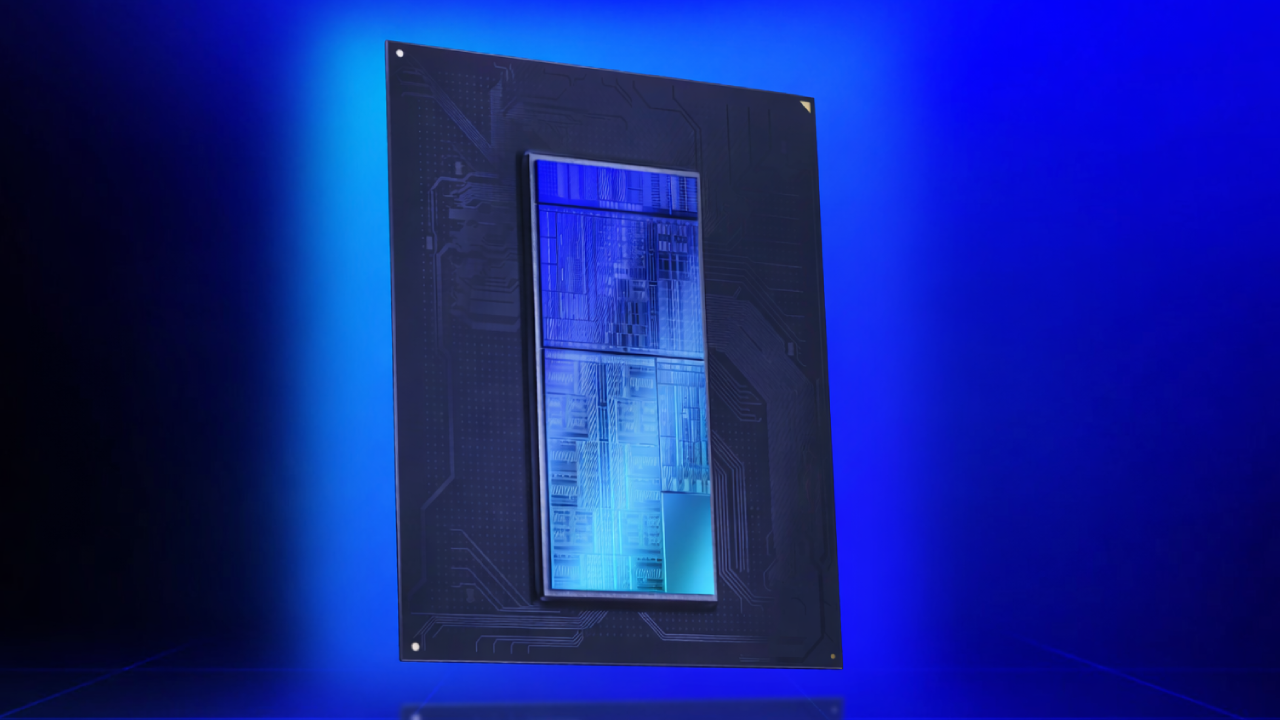
Primate Labs reports Intel's BOT reduces HDR workload instruction counts by ~14% via vectorization (converting scalar ops to 8-wide vectors) and adds a 40-second startup delay on the first Geekbench run (2s on subsequent runs). Geekbench is flagging Arrow Lake Plus results and warns BOT only supports a handful of apps, meaning BOT-enabled benchmarks may overstate Intel performance versus AMD in typical real-world usage.
Sell-side and OEM behavior will likely be the first transmission mechanism for reputational tech-room effects: perceived vendor-specific optimizations compress the decision margin for low-cost OEMs deciding between designs, meaning a 1–3% unit-share swing in consumer/mobile notebooks over the next 2–4 quarters is plausible even if real-world performance parity persists. That swing matters because mobile CPU attach rates are high-volume and price-sensitive — a small share shift cascades into inventory and wafer-order adjustments at foundries within one ordering cycle.
A fragmented optimization ecosystem increases friction for ISVs and independent benchmarkers, and that friction has two second-order outcomes. First, it raises the value of neutral, real-world performance certifications (enterprise procurement teams will pay a premium for independent verification), and second, it creates an opening for third-party compiler/optimizer vendors to capture licensing revenue from both CPU camps over 6–24 months.
Tail risks are regulatory scrutiny and loss of benchmark credibility; both can crystallize over quarters, not hours, and would materially impair premium pricing power more than a one-time PR hit. Reversals can be swift if an independent lab demonstrates no material advantage in enterprise workloads, or if OEMs publicly prioritize sustained thermals and end-user metrics over synthetic scores.
From a portfolio standpoint, differentiate between short-duration sentiment trades and multi-quarter structural positions: short-term volatility favors event-driven options plays; medium-term, allocate around a thesis that market-share effects will be concentrated in consumer/mobile SKUs and not in server/embedded segments where engineering switching costs are higher.
AI-powered research, real-time alerts, and portfolio analytics for institutional investors.
Request DemoOverall Sentiment
mildly negative
Sentiment Score
-0.30
Ticker Sentiment
