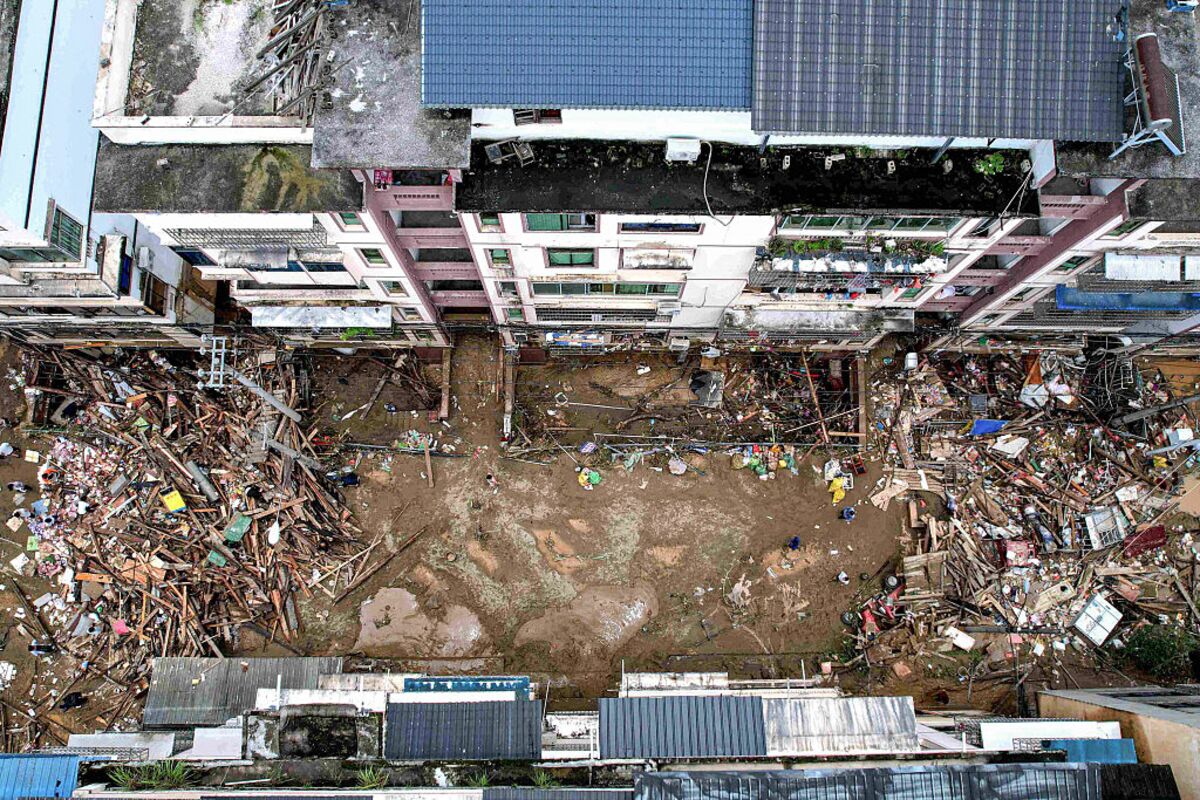
China is enhancing compensation for rural residents impacted by its flood diversion strategy, which protects industrial and urban centers but disproportionately affects agricultural areas, exacerbating social inequality and public discontent. This policy adjustment comes as a warming climate intensifies the threat of extreme rainfall, highlighting the growing economic and social challenges of climate-related disaster management and risk allocation in the region.
China is implementing new fiscal measures to address the socio-economic consequences of its flood management strategy, which prioritizes the protection of industrial and urban centers at the expense of rural and agricultural regions. This policy adjustment, prompted by the escalating threat of extreme weather due to climate change, highlights a critical tension between economic preservation and social equity. The strategy of diverting floodwaters disproportionately impacts poorer populations, creating a tangible social risk that could lead to public discontent. The introduction of enhanced compensation signals the government's recognition of this risk and represents a rising fiscal cost associated with climate adaptation. This situation presents a complex matrix of physical climate risk, regulatory change, and social (ESG) factors that are becoming increasingly central to China's domestic policy and long-term economic stability.
AI-powered research, real-time alerts, and portfolio analytics for institutional investors.
Request DemoOverall Sentiment
mildly negative
Sentiment Score
-0.30
