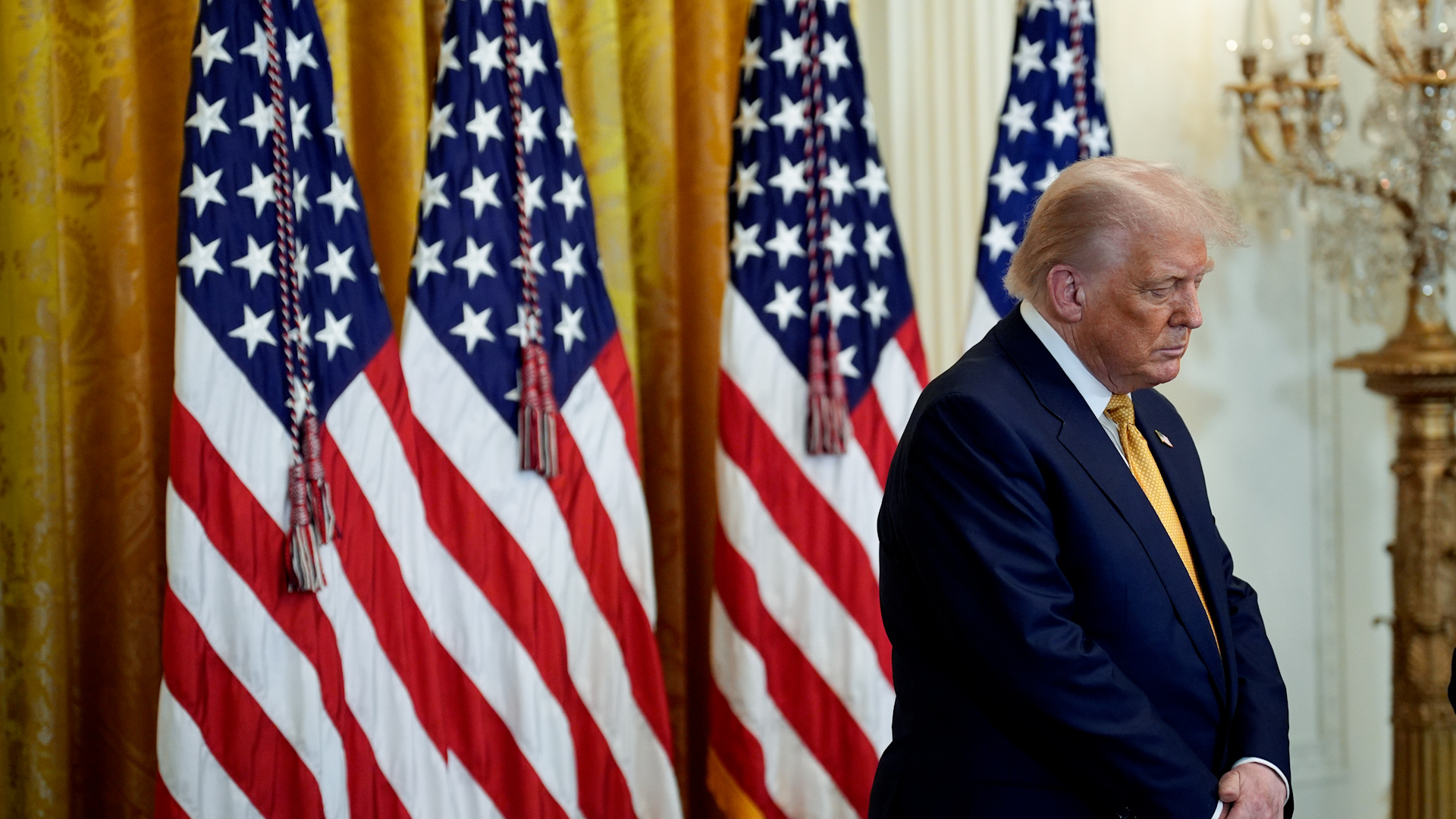
President Donald Trump has finalized a trade deal with Japan, establishing a 15% tariff rate, a development analyzed by CSIS Japan Chair Kristi Govella for its implications. US Commerce Secretary Howard Lutnick suggests a similar agreement with the European Union could follow, indicating a significant shift in global trade policy and potentially setting a precedent for future bilateral negotiations.
The finalization of a US-Japan trade deal, which establishes a 15% tariff rate, marks a significant development in global trade policy. This agreement provides clarity on a key bilateral relationship but also introduces a new cost structure for industries reliant on trade between the two nations. The commentary from US Commerce Secretary Howard Lutnick, suggesting a similar deal with the European Union may follow, indicates a broader strategic pivot by the US toward a series of bilateral agreements rather than multilateral frameworks. This pattern could set a new precedent for international trade negotiations, potentially reshaping global supply chains. The market's mildly positive sentiment, despite the imposition of tariffs, suggests that investors are prioritizing the resolution of uncertainty, while the moderate market impact score of 0.65 underscores the macroeconomic significance of this policy shift for sectors exposed to international commerce.
AI-powered research, real-time alerts, and portfolio analytics for institutional investors.
Request DemoOverall Sentiment
mildly positive
Sentiment Score
0.30
