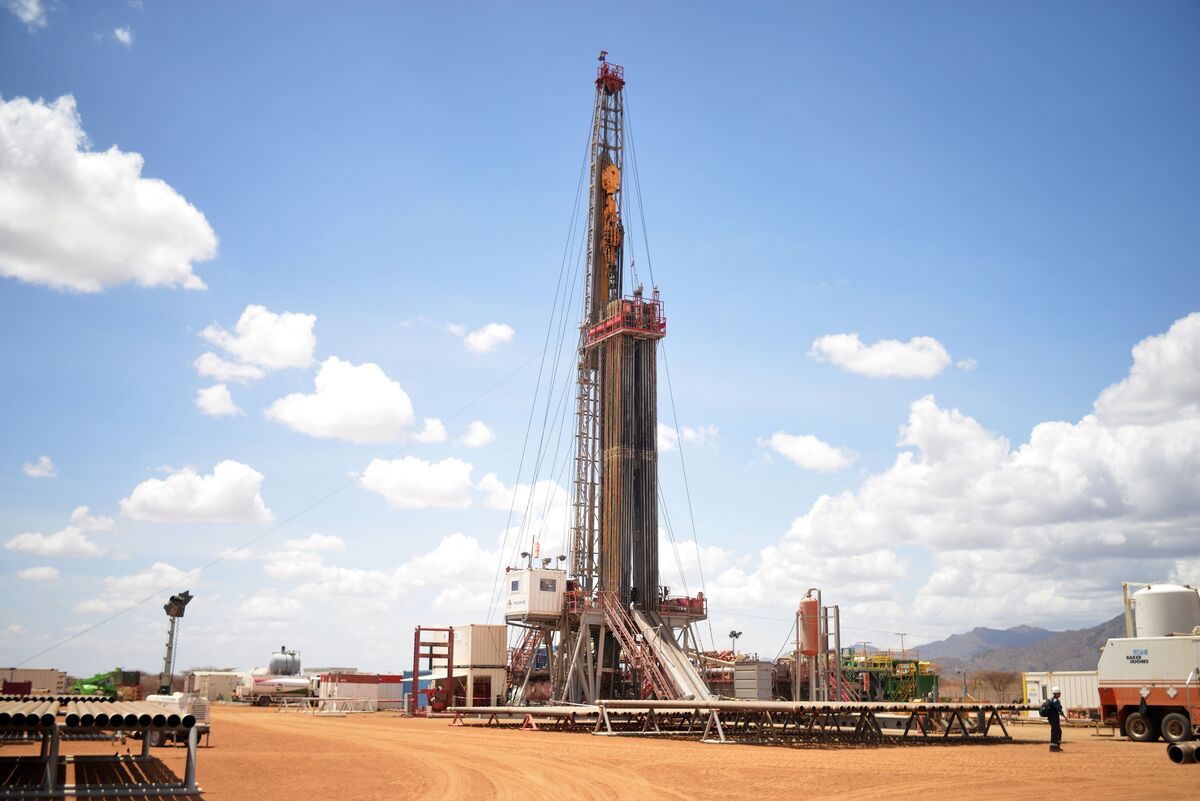
Kenya has granted Nairobi-based Gulf Energy Ltd. tax exemptions and higher cost-recovery allowances under an amended production sharing agreement for the South Lokichar basin after acquiring Tullow Oil Plc’s blocks, exempting the firm from VAT, withholding taxes and import levies on development goods and services. The legislative submission aims to accelerate development of the fields, with output targeted for next year, improving project economics and cash flow visibility for Gulf Energy and potentially altering investor expectations for Kenyan upstream oil production.
Market structure: The immediate winners are Gulf Energy (acquirer) and upstream/oilfield services that will supply the South Lokichar build‑out; global majors see negligible direct volume impact but regional service providers (SLB, HAL, BKR) pick up incremental demand. Losers are Kenyan near‑term fiscal receipts (VAT/withholding forgone) and any local competitors that face subsidized development; pricing power shifts to operators who can mobilize crews and vessels to East Africa quickly. This deal signals a modest future increase in Kenyan export capacity (likely low‑to‑mid tens of kbpd range first 12–18 months if FID and infrastructure close), insufficient to move global Brent materially but relevant regionally.
Risks: Tail risks include regulatory reversal by Parliament or community/security disruptions (10–25% probability within 12 months) and capex overruns >30% that push first oil beyond targeted next year. Time horizons: market/FX reactions in days–weeks to parliamentary approval; contractor awards and financing in weeks–months; first oil and sovereign balance‑sheet effects in 12–24 months. Hidden dependencies: export infrastructure (pipeline/storage/charter capacity) and oil price (> $70/bbl threshold materially changes NPV and contractor incentives).
Trade implications: Tactical winners are oilfield services — consider exposure to SLB, HAL, BKR for 6–12 months to capture African campaign work; size small (1–3% each) and target +15–25% upside on contract awards. Credit/FX: selectively buy Kenyan sovereign paper (5–10yr) on yield spikes >12.5% (or +100bp from spot) with 12–36 month horizon as first‑oil supports FX; cap risk at 1–2% portfolio. Use options: small 3–6 month call spreads on SLB/HAL to lever upside around procurement/FID catalysts.
Contrarian angles: Consensus underestimates execution risk — tax breaks may invite political backlash or set precedent eroding future receipts, so sovereign bond bids could be whipsawed; don’t pay up for long‑dated Kenyan paper without >200bp risk premium. Historical parallels (African onshore plays) show 12–24 month delays are common; mispricing exists if markets assume “next year” first oil with high confidence. Unintended consequence: quick tax concessions could pressure other governments to offer similar deals, compressing regional fiscal take and raising sovereign tail risk over 2–5 years.
AI-powered research, real-time alerts, and portfolio analytics for institutional investors.
Request DemoOverall Sentiment
moderately positive
Sentiment Score
0.40
