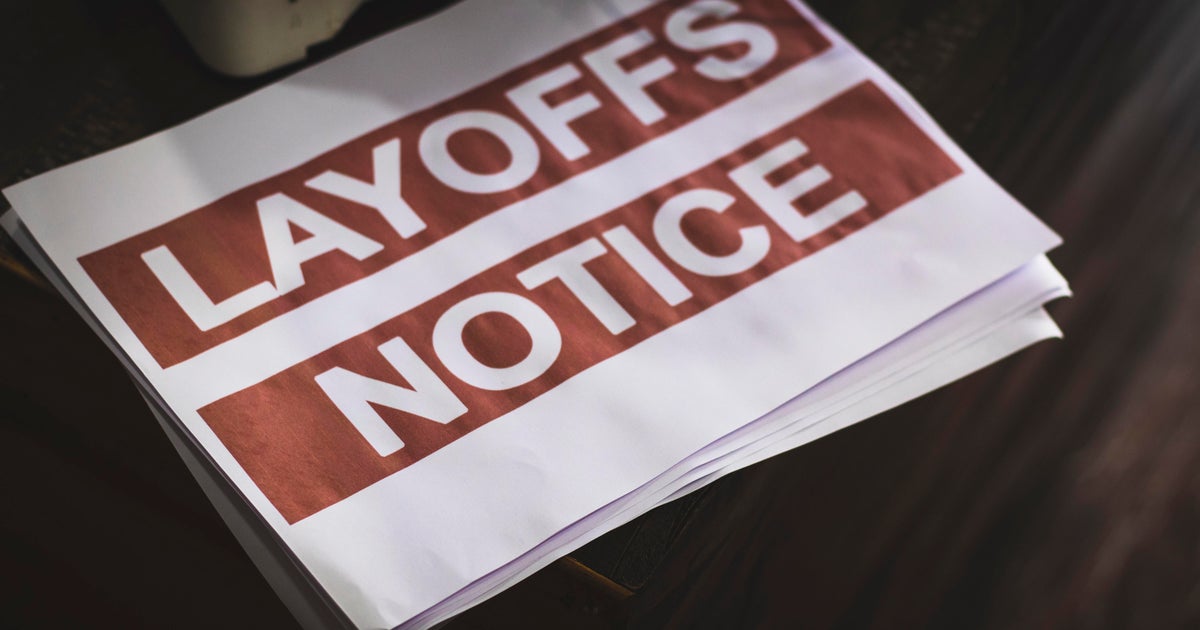
U.S. employers announced 108,435 job cuts in January, up 118% year-over-year, led by Transportation (31,243), Technology (22,291) and Health Care (17,107); major actions include Amazon’s 16,000 layoffs and UPS’s plan to cut 30,000 workers. Companies cited lost contracts, market/economic conditions and restructuring, with nearly 8,000 layoffs (7%) explicitly tied to AI; broader labor signals — a 4.4% unemployment rate and initial jobless claims rising to 231,000 — point to cooling labor demand that could pressure sectoral equities and corporate outlooks.
Market structure is bifurcating: demand-sensitive employers (UPS, transportation names) are immediate losers as January cuts (108k, +118% YoY) point to weaker goods volumes, while AI/infrastructure suppliers (data‑center REITs, semiconductor capex beneficiaries) are net beneficiaries as companies reallocate spend. Technology headcount cuts (22k) and AI-linked 8k layoffs will depress ad and services revenue short term (pins downside), but also accelerate capital investment in servers, power and construction, tightening supply for data‑center capacity over 6–18 months.
Tail risks include a consumer recession (jobs growth rolling negative, initial claims >250k for three consecutive weeks) and a regulatory backlash on AI that could force rehiring or fines; immediate risks are earnings guidance cuts in the next 30–90 days (AMZN, UPS, DOW). Hidden dependencies: layoffs can raise free cash flow and trigger buybacks or M&A that prop up equities even as employment weakens; second‑order effects include lower ad spend hitting PINS and digital media within one quarter.
Trade implications: favor short-duration downside protection on names tied to volumes/ads (UPS, PINS, AMZN) via 1–3 month put spreads and allocate 2–4% pockets to data‑center real assets (DLR/EQIX) and select semis (NVDA) for a 6–18 month hold. Cross‑asset: expect equity volatility to rise; buy-tiered protection (buy puts, sell further OTM puts) rather than naked shorts; long-duration Treasuries are a tactical hedge if layoffs persist beyond two monthly reports.
Contrarian view: the market may be overstating permanent job loss from AI—historically (post‑2009, post‑2016 cuts) cost cuts lead to margin expansion and rapid re‑investment cycles, producing 20–40% rallies in survivors within 6–12 months. That makes concentrated, sized downside hedges preferable to full exits; aggressive cost cuts at large caps (AMZN) could mean upside surprises when topline stabilizes, so scale into longs off extreme post‑earnings drawdowns.
AI-powered research, real-time alerts, and portfolio analytics for institutional investors.
Request DemoOverall Sentiment
moderately negative
Sentiment Score
-0.45
Ticker Sentiment
