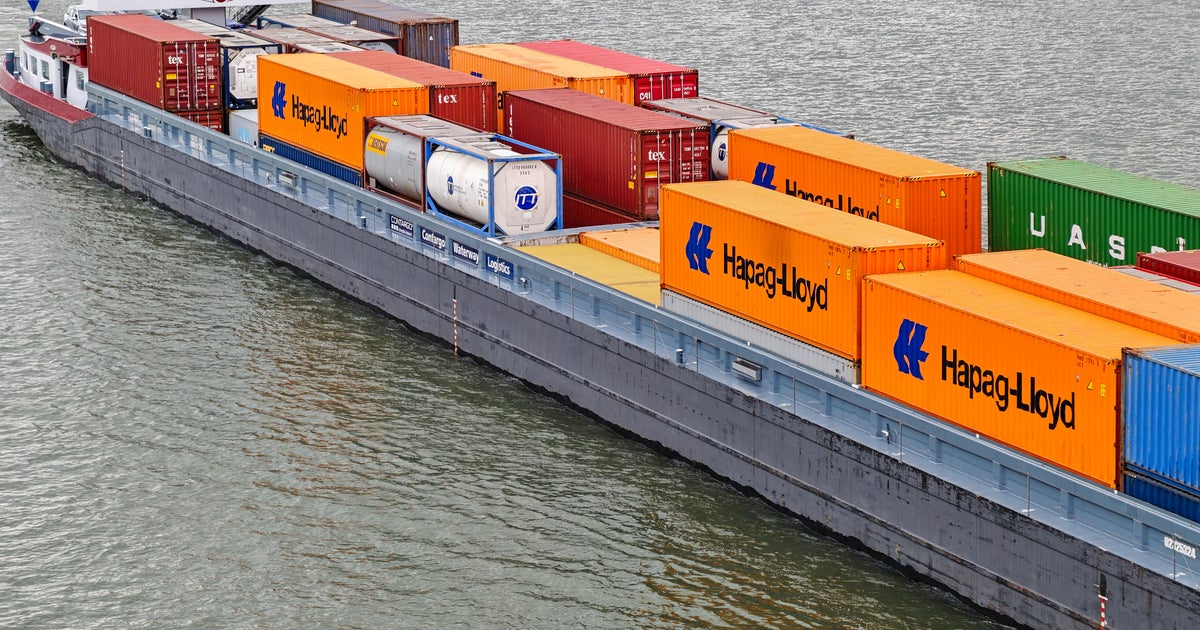
U.S. authorities are probing whether Chinese shipping container manufacturers deliberately cut production in late 2019 to restrict global supply and inflate prices. Several Chinese executives have reportedly been indicted, and one was detained in France pending possible extradition to the U.S. The case raises fresh legal and geopolitical risk around global logistics and container supply chains, but the article does not indicate an immediate market-wide shock.
This is less a direct container-sector earnings event than a geopolitical proof-point that supply-chain concentration can be weaponized both by producers and prosecutors. The bigger market implication is a higher probability of follow-on scrutiny across adjacent freight inputs — steel plate, leasing, port equipment, and transpacific logistics — which raises compliance costs and could slow capacity additions over the next 6-18 months. That matters because shipping markets are still structurally fragile: even modest constraints in box availability can amplify rate volatility when demand turns. For aerospace, the case is mildly supportive for BA only through the trade-relations channel, not fundamentals. A tighter U.S.-China enforcement backdrop increases the odds that large-ticket bilateral “trade deals” become more transactional and less durable, which can delay meaningful normalization of aircraft delivery flows if either side decides to weaponize approvals, financing, or customs treatment. The near-term takeaway is not higher earnings for BA, but a slightly better bargaining position for U.S. exporters in any concession-driven package. The second-order risk is that any legal action against Chinese industrial firms becomes a template for broader antitrust/export-control investigations, which could widen beyond containers into other low-profile but globally concentrated manufacturing niches. If that happens, the market could see a persistent risk premium embedded in supply-chain-dependent names, especially those with just-in-time inventories and thin buffer stocks. The timing is important: headline risk is days, but operational effects on freight rates, inventory policy, and sourcing decisions would play out over quarters. The contrarian view is that the immediate price impact may be overdone in logistics equities because the real catalyst is not scarcity today but the expectation of policy response tomorrow. If this leads to higher domestic or allied container production, the medium-term beneficiaries are non-China industrial suppliers and less so pure-play carriers. The best setup is to fade any knee-jerk rally in freight-sensitive names while looking for relative winners in U.S. industrial capacity and aerospace names tied to trade normalization optics.
AI-powered research, real-time alerts, and portfolio analytics for institutional investors.
Request DemoOverall Sentiment
mildly negative
Sentiment Score
-0.20
Ticker Sentiment
