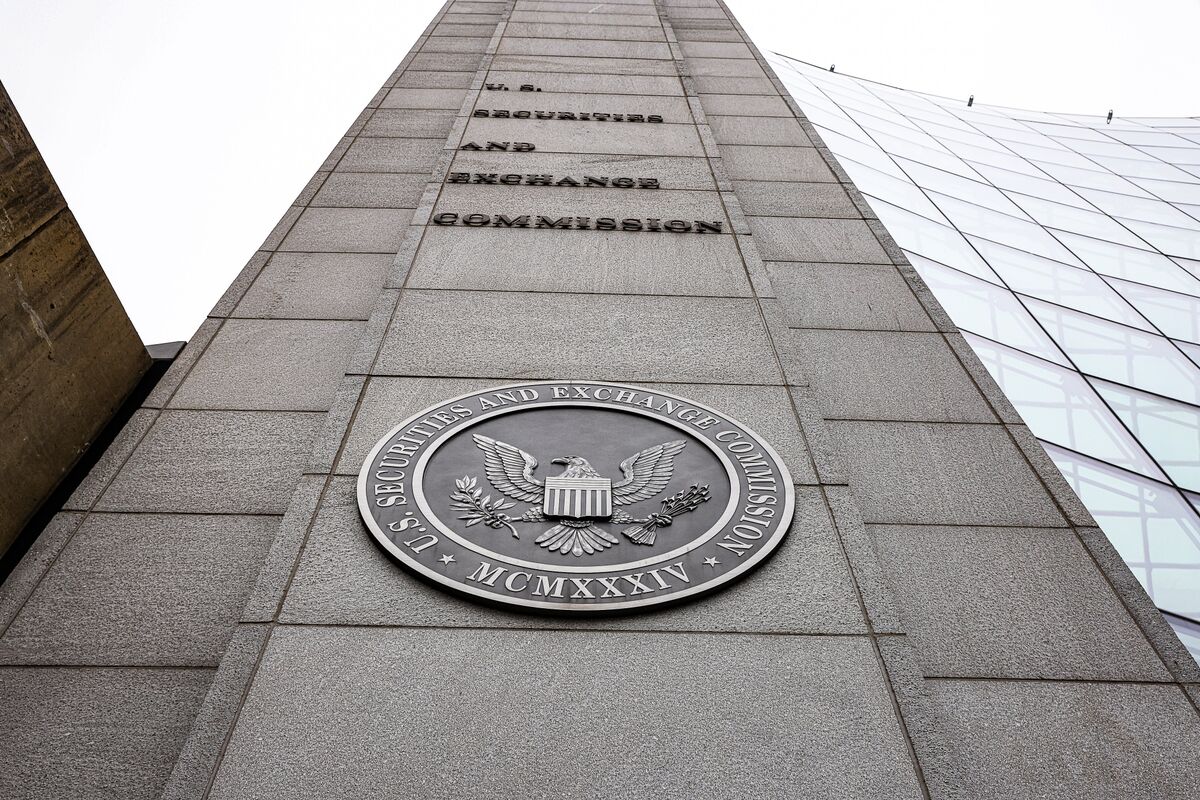
The Managed Funds Association (MFA) is urging the SEC to modify short seller regulations that currently prohibit investors from purchasing shares in public offerings if they recently shorted those securities. The hedge fund trade group argues these rules unnecessarily impede participation in public offerings, suggesting that a relaxation could enhance hedge fund engagement and liquidity in new stock issues.
The Managed Funds Association (MFA), a prominent hedge fund trade group, is formally petitioning the Securities and Exchange Commission (SEC) to amend regulations concerning short selling around public offerings. The core of the proposal is to scale back rules that currently prohibit investors from purchasing shares in a public offering if they have recently short-sold the same security. According to the MFA, this regulation needlessly impedes the capital-raising process by preventing hedge funds from participating in and providing liquidity to these stock sales. This regulatory push targets the intersection of short-selling activity and capital formation, suggesting that a rule change could enhance hedge fund engagement with IPOs and follow-on offerings. While the existing rule is intended to prevent manipulative shorting ahead of an offering, the MFA's position implies the current application is overly broad and detrimental to market efficiency.
AI-powered research, real-time alerts, and portfolio analytics for institutional investors.
Request DemoOverall Sentiment
mildly positive
Sentiment Score
0.25
