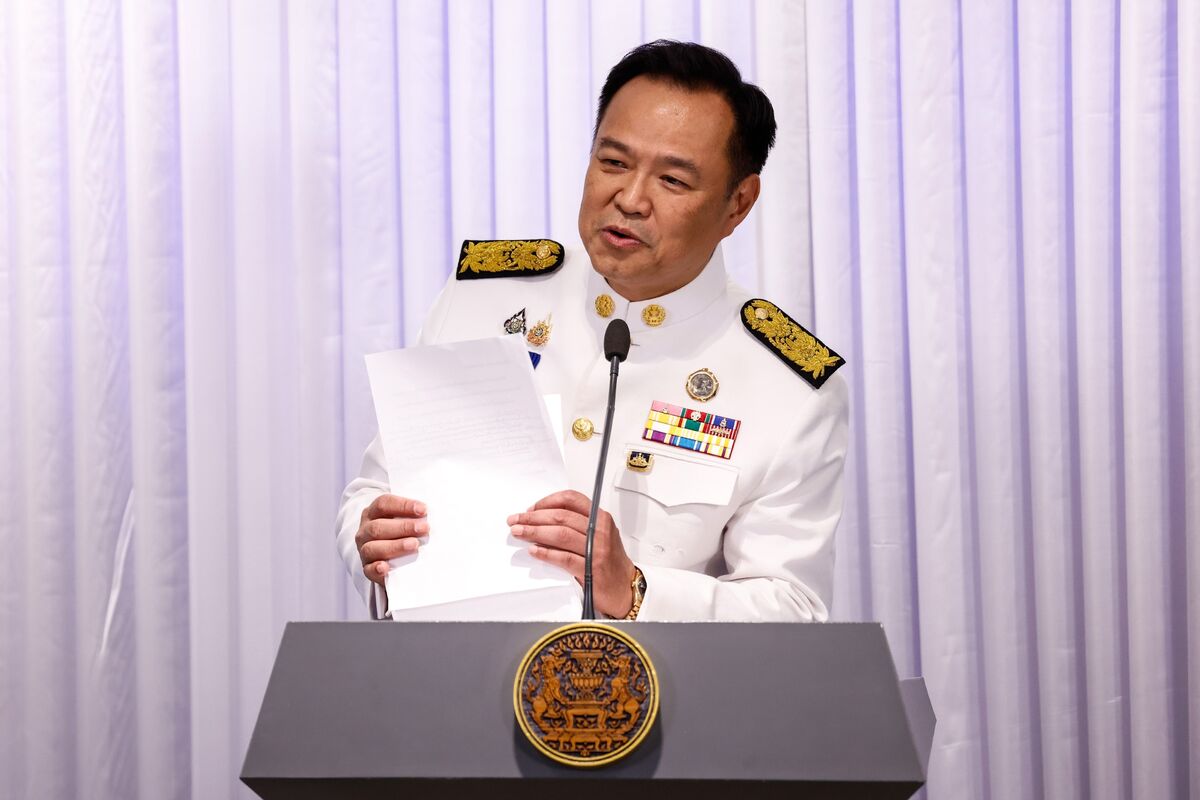
Thailand's new government, led by Prime Minister Anutin Charnvirakul, plans to implement short-term economic stimulus measures to boost consumption and alleviate household debt within the next four months, aiming to broaden political support. Concurrently, the administration intends to stabilize the baht, which has recently surged to a four-year high, to safeguard the nation's critical export and tourism sectors.
Thailand's new minority government, led by Prime Minister Anutin Charnvirakul, has announced a two-pronged economic strategy for its initial four months in power, aimed at bolstering political support. The first initiative is a short-term fiscal stimulus designed to boost domestic consumption and provide relief for indebted households. The second, and more immediate, focus is on currency stabilization. The Thai baht has recently appreciated to a four-year high, becoming Asia's best-performing currency over the past month, which has prompted calls for intervention to protect the competitiveness of the nation's critical export and tourism sectors. This dual policy approach indicates the government's attempt to balance internal economic support with external competitiveness, reflecting a proactive but potentially politically motivated agenda. The market's mildly positive sentiment suggests cautious optimism about the government's intentions, though the execution within a minority government framework remains a key variable.
AI-powered research, real-time alerts, and portfolio analytics for institutional investors.
Request DemoOverall Sentiment
mildly positive
Sentiment Score
0.35
