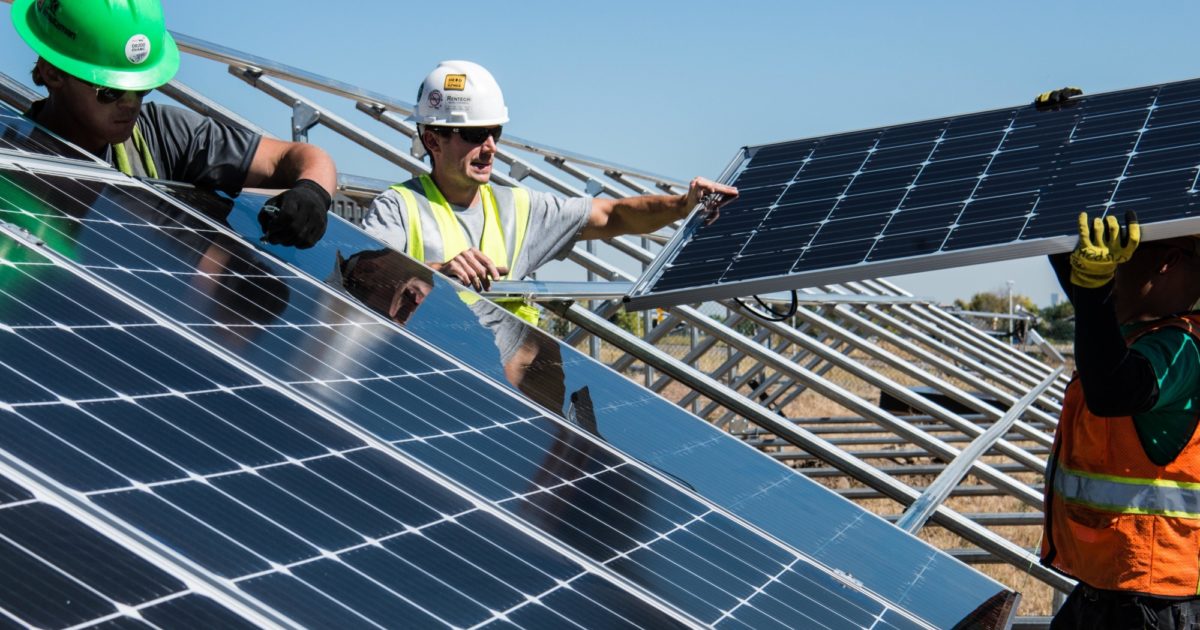
The UK’s AR7 auctions secured 1.3GW of onshore wind and 4.9GW of solar (plus 8.4GW of offshore wind announced previously), expected to generate just over 40TWh/yr and displace roughly 80TWh/yr of gas (assuming 50% gas plant efficiency). That reduction is more than three times the circa 25TWh benefit projected from potential new North Sea licences and would materially lower UK gas import dependence (to about 75% of demand in 2030) and cut projected US LNG used in the UK in 2030 by roughly half versus a no-AR7 scenario. The auctions therefore strengthen the economics of renewables, pressure gas-fired generation and wholesale prices, and have strategic implications for UK exposure to US LNG and broader geopolitical gas risks.
Market structure: AR7 adds ~10% of GB generation by 2030 (c.40TWh/yr) and displaces ~80TWh/yr of gas burn, directly benefiting UK renewable developers, grid owners (who collect connection/constraint revenues) and equipment suppliers; losers include North Sea E&P (25TWh marginal upside vs. 80TWh renewables) and merchant gas/LNG sellers who lose price-setting power as wind/solar cut day-ahead prices by ~33% in stress cases. Competitive dynamics: gas peakers’ utilization and spark spreads compress materially (multi-year), shifting value from fuel suppliers to capacity, balancing and storage players; intermittent CREs gain bargaining power in PPAs and CfD-driven projects.
Risk assessment: key tails — large delays to AR7 projects (supply-chain, planning) that preserve gas demand; a geopolitical shock (major European outage) that re-routes LNG to Europe could spike UK prices short-term. Timeframes: days-weeks = volatile gas/LNG spot; months = wholesale power curve repricing and option implied vols; years = structural import share moves toward ~75% gas by 2030 absent further renewables. Hidden dependencies: grid flexibility, storage and capacity-market backstops determine realized displacement of gas and merchant returns.
Trade implications: favor equities exposed to contracted UK renewables and grid capex (SSE.L, ORSTED.CO, NG.L) and suppliers of turbines/solar (VWS.CO); underweight/hedge US LNG exporters (LNG, SRE) and UK gas-exposed utilities (CNA.L, BP.L). Option plays: buy 9–18 month calls on renewable names for convex upside; buy puts or short futures on Cheniere (LNG) for downside. Entry: initiate within 30–90 days post CfD award confirmations; horizon 12–36 months to capture commissioning and wholesale impact.
Contrarian angles: consensus underestimates balancing costs and capacity-market make-whole payments which could re-instate merchant gas economics and support some E&P value; also UK renewables execution risk is non-trivial — if >25% of AR7 capacity slips past 2030, US LNG demand could re-accelerate. Historical parallel: Spain’s early PV boom depressed prices and forced policy/market redesign — expect policy tweaks if supplier distress rises. Hedge positions accordingly and size for execution risk.
AI-powered research, real-time alerts, and portfolio analytics for institutional investors.
Request DemoOverall Sentiment
moderately positive
Sentiment Score
0.35
