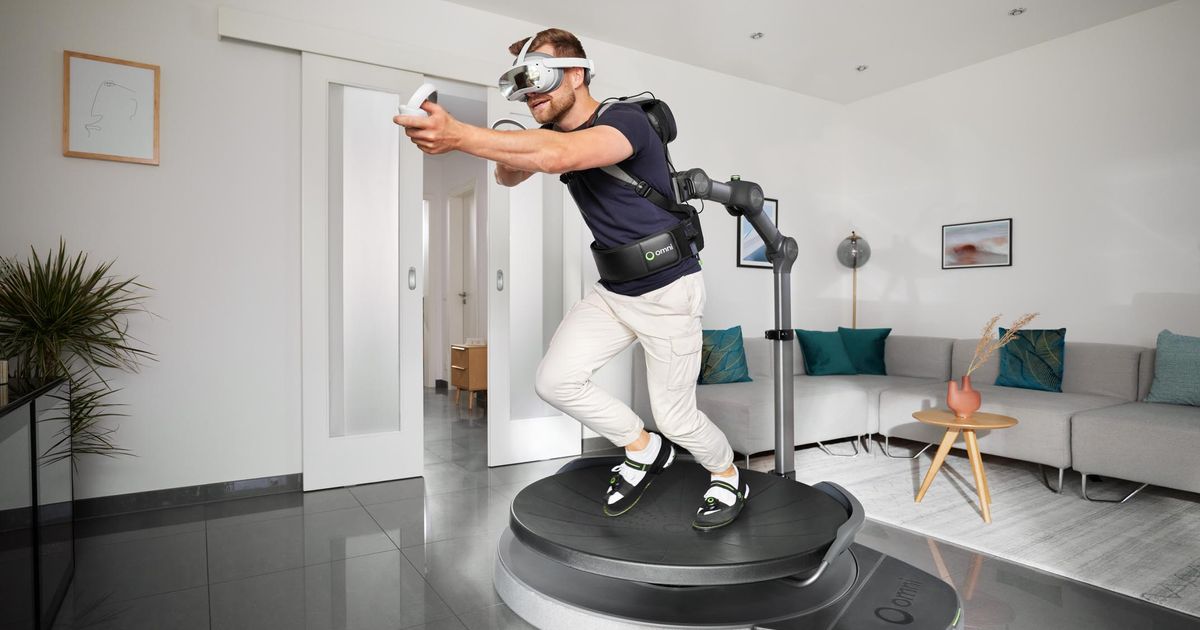
Virtuix has joined Meta’s Made for Meta program to make its Omni One treadmill fully compatible with Meta Quest headsets and games, giving access to roughly 20 million Quest headsets and an estimated 6 million active users. CEO Jan Goetgeluk said the move materially expands the company’s addressable market by millions, complements recent expansion into Europe and follows reported 138% year-over-year growth; product compatibility timing will be announced soon. The partnership positions Virtuix to monetize a larger XR user base and could boost adoption of its VR fitness hardware, although no revenue figures or timing were provided.
Market structure: Virtuix (VTIX) is the clear direct beneficiary — Meta Quest compatibility unlocks an incremental addressable base of ~6.0M active users (20M installed) and could convert a low-single-digit percent into buyers; a 0.5–2.0% conversion implies ~30k–120k incremental units over 12 months (at $2k/unit, a hypothetical $60M–$240M revenue swing). Meta (META) benefits secondarily through increased headset stickiness and engagement (ad/commerce tailwinds) but faces minimal direct P&L impact near-term. Incumbent peripherals and non-integrated fitness hardware makers lose relative share; small-cap pure-play VR treadmill rivals face the biggest displacement risk.
Risk assessment: Key tail risks are integration/API rollback by Meta, product safety/recall, poor developer support (games not optimized for Omni movement), and supply-chain constraints for VTIX (low-probability but high-impact). Timeframes: expect immediate sentiment moves (days) and retail pre-orders (weeks–months); meaningful revenue and guidance shifts will show up in VTIX quarterly filings over 2–4 quarters. Hidden dependencies include Meta portal promotion, certified game count, and logistics capacity — absence of any of these materially lowers conversion. Catalysts: certification live date, first-month retail sell-through, published unit shipment numbers, and any co-marketing placements on Meta storefronts.
Trade implications: Direct plays — small, staged long exposure to VTIX (speculative small-cap) with triggers to scale on verified sell-through; tactical 9–12 month call spreads on META to capture platform monetization with limited capital. Pair trade — long VTIX vs. short/underweight small-cap, single-product fitness hardware names lacking platform partnerships (reallocate 2–3% from those peers). Use options to define downside: buy-debit call spreads on META (12-month, ~15% OTM buy/30% OTM sell) and, if liquid, a 6–9 month VTIX call spread instead of outright equity to cap downside.
Contrarian angles: Consensus likely overestimates immediate revenue conversion while underestimating retention and warranty/returns costs — adoption may be front-loaded by enthusiasts but attrition could be high. The market may underprice the requirement for developer support: without 20–50 quality Meta-native titles optimized for locomotion, conversion <0.5% is plausible. Historical parallels: early Oculus accessory tie-ins increased engagement but did not create mass-market hardware attach rates until multi-year price/performance inflection. Unintended consequences include higher RMA/warranty costs and potential safety/legal exposure that could compress margins materially if volumes ramp quickly.
AI-powered research, real-time alerts, and portfolio analytics for institutional investors.
Request DemoOverall Sentiment
moderately positive
Sentiment Score
0.60
Ticker Sentiment
