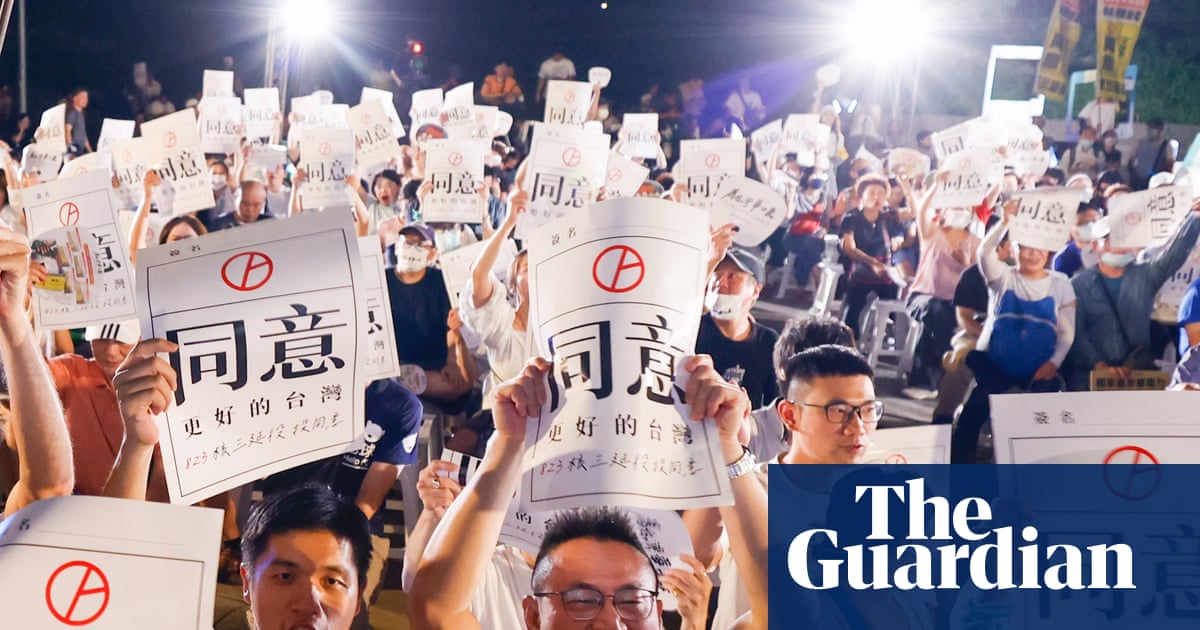
A referendum to reopen Taiwan's Maanshan nuclear plant failed to meet the legal threshold for validity, despite a significant majority of participating voters supporting its restart, ensuring the island's energy policy continues its shift towards renewables and liquefied natural gas. While the plant, closed in May, will not reopen due to persistent safety concerns, President Lai Ching-te indicated a potential future consideration of advanced nuclear energy if technological advancements address safety and waste management issues. This outcome solidifies Taiwan's near-term energy diversification strategy, impacting import dependencies and infrastructure investments, while signaling a conditional long-term openness to next-generation nuclear solutions.
The failure of a referendum to reopen Taiwan's Maanshan nuclear power plant solidifies the island's near-term energy policy, which prioritizes a transition to renewables and liquefied natural gas (LNG). Although a clear majority of voters who participated supported the reopening—4.3 million in favor versus 1.5 million against—the initiative failed to meet the required legal threshold of approximately 5 million votes, or one-quarter of registered electors. This outcome reinforces the current government's agenda, which cites significant safety concerns regarding seismic activity and nuclear waste management as primary reasons for phasing out nuclear power. Consequently, Taiwan's reliance on imported energy, particularly LNG, is set to continue, underscoring ongoing concerns about energy security and price stability raised by the opposition KMT party. President Lai Ching-te’s statement, however, introduces a crucial long-term nuance, indicating that "advanced nuclear energy" could be considered in the future if technological and safety advancements are made, signaling a conditional, rather than absolute, rejection of nuclear technology.
AI-powered research, real-time alerts, and portfolio analytics for institutional investors.
Overall Sentiment
neutral
Sentiment Score
0.00
