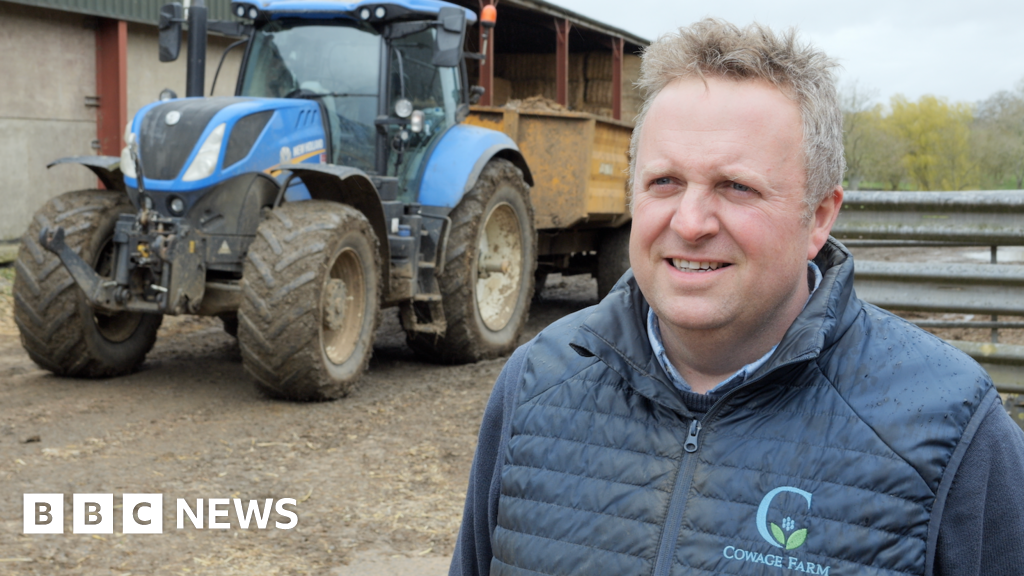
Farm diesel for farmers has roughly doubled (from ~65p/L to £1.20–£1.30), retail diesel is up 24p/L (≈17%) and petrol +9%, while heating oil has more than doubled since the Middle East conflict began. Fertiliser costs have jumped from about £350/tonne in September to roughly £600/tonne now, implying around £14,000 of extra cost for a 100-hectare farm; suppliers are also rationing fuel (orders cut from 3,000L to 1,000L) and facing delivery delays. Farmers report they are price-takers on global markets and are largely forced to absorb costs, though industry bodies warn some increases will eventually filter through to consumer food prices.
Large, liquid operators and trading houses with storage and balance-sheet flexibility are the stealth winners: they can arbitrage across time (buy and hold fertiliser/fuel bought pre-shock) and capture basis as local availability tightens. Mid‑sized and small family farms lack that optionality, creating a near‑term working capital shock that will force accelerated use of credit lines and potentially fire‑sale of livestock or forward grain positions; expect consolidation in regional arable supply chains over the next 6–18 months as weaker operators exit.
A sustained premium on freight/insurance and disrupted choke‑points creates a persistent wedge between global commodity prices and local landed costs — that wedge is the primary mechanism that translates geopolitical shocks into domestic food price inflation. The critical catalyst window is operational seasonality: planting/ordering decisions in the coming 4–10 weeks (one growing season) determine whether acreage or input intensity is dialed back, which in turn materially alters grain supply in the following 6–12 months. A rapid diplomatic de‑escalation or targeted SPR/strategic stock releases could compress the premium within 2–8 weeks; conversely, escalation would propagate into fertiliser feedstock tightness and crop yield risk that persists >12 months.
Market pricing likely overshoots for short‑dated headline risk while underpricing multi‑month agricultural scarcity risk. That creates asymmetric trade opportunities: buy optionality on producers that benefit from sustained high fertiliser prices while hedging near‑term reversal, and selectively hedge food‑price exposure via grains and freight. Monitor credit spreads on regional agricultural lenders and working capital indicators for early signs of distress — those will be the lead indicators for consolidation events and distressed asset flow into strategic acquirers.
AI-powered research, real-time alerts, and portfolio analytics for institutional investors.
Request DemoOverall Sentiment
strongly negative
Sentiment Score
-0.60
