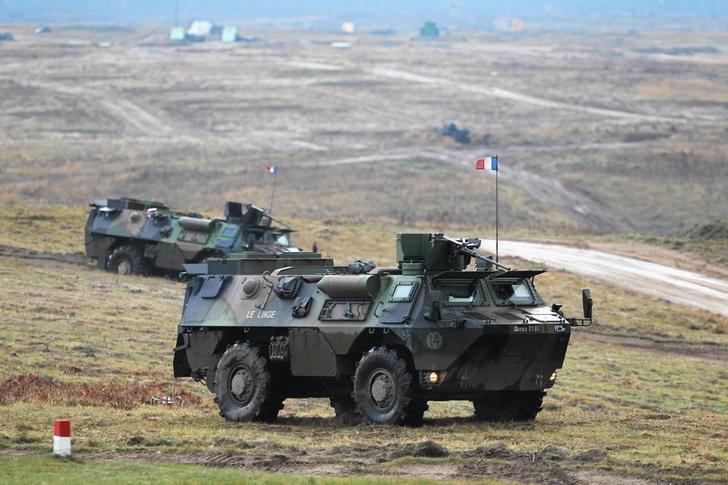
NATO members have agreed to a new, higher defense spending target of 5% of GDP, a substantial increase from the current 2%. ING analysts project a limited positive economic impact, aligning with the European Commission's lower GDP growth estimate of 0.3-0.6% by 2028, primarily due to the high import share of defense equipment which benefits non-EU producers. While initial spending may be debt-financed, ING warns that long-term funding will necessitate cuts in other public services or increased taxation, ultimately burdening European households and limiting sustained GDP upside.
NATO's new defense spending target of 5% of GDP represents a significant fiscal shift from the previous 2% goal. According to analysis from ING, the resulting economic stimulus will be limited, aligning with the European Commission's lower-end forecast of a 0.3-0.6% GDP increase by 2028. This muted impact is primarily attributed to a high import leakage, underscored by the fact that 78% of military equipment supplied to Ukraine originated from non-EU producers. While initial spending is expected to be debt-financed, providing a temporary lift, this is not a sustainable long-term solution for recurring expenditures. Consequently, the burden is projected to shift to European households through either higher taxation or cuts in public services such as healthcare and education. This will ultimately diminish the net positive effect on GDP over time and directly impact consumer purchasing power.
AI-powered research, real-time alerts, and portfolio analytics for institutional investors.
Request DemoOverall Sentiment
moderately negative
Sentiment Score
-0.45
Ticker Sentiment
