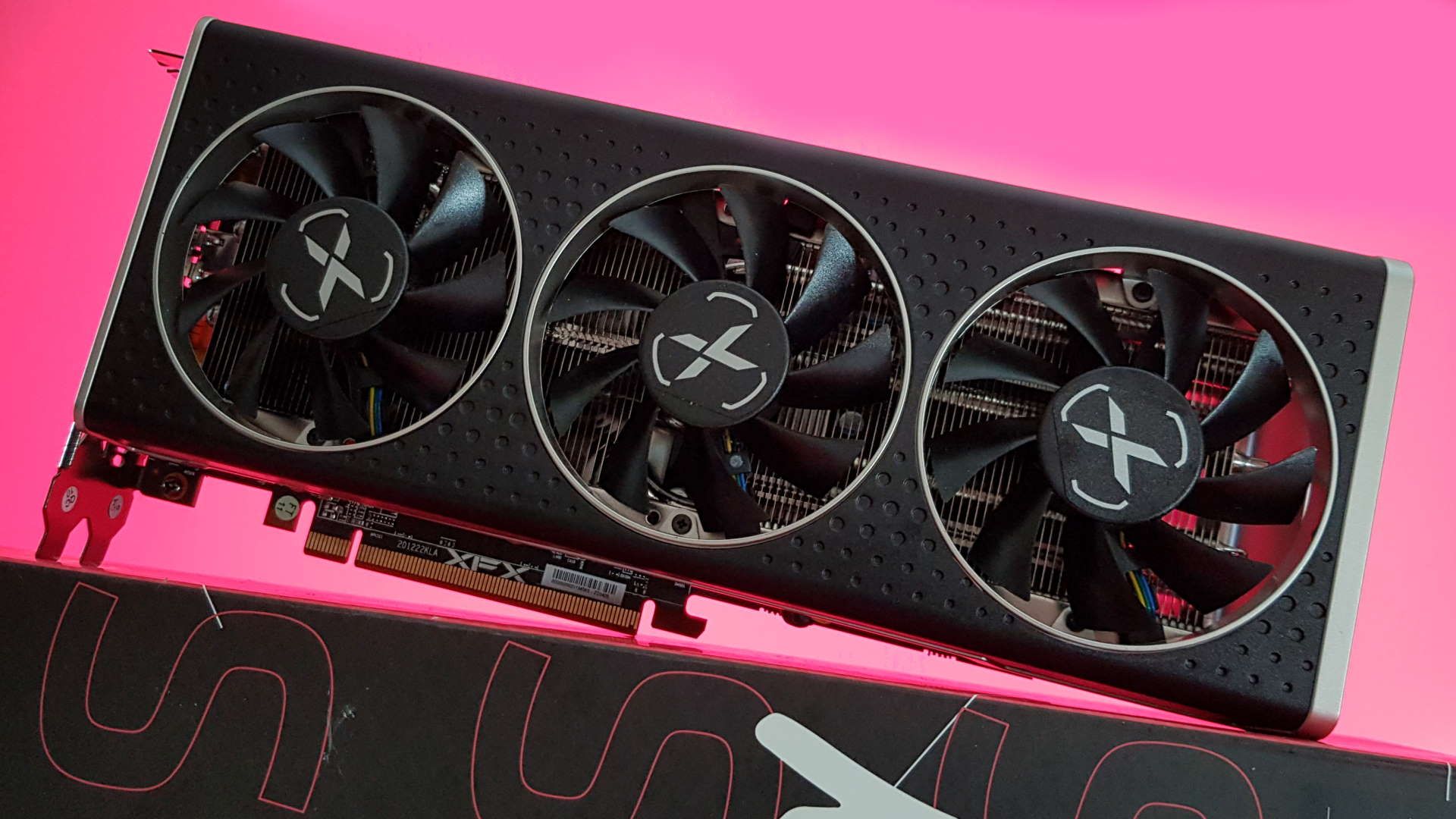
AMD is transitioning its RDNA 1 (RX 5000 series) and RDNA 2 (RX 6000 series) graphics cards to a "maintenance mode" for driver support, meaning future updates will focus solely on critical security and bug fixes, with new game-specific optimizations reserved for RDNA 3 and RDNA 4 GPUs. This strategic shift, intended to prioritize newer architectures, has generated considerable negative consumer reaction, particularly given the relatively recent launch and widespread use of RDNA 2 cards, including in devices like the PlayStation 5. The move is expected to diminish the perceived longevity and investment value of these GPUs, potentially impacting AMD's market perception and future sales in the competitive graphics card sector.
AMD has transitioned its RDNA 1 (RX 5000 series) and RDNA 2 (RX 6000 series) graphics cards to "maintenance mode" for driver support, meaning future updates will focus exclusively on critical security and bug fixes, with new game-specific optimizations reserved for RDNA 3 and RDNA 4 GPUs. This strategic shift impacts cards, such as the RX 6750 XT and 6950 XT, launched as recently as two to three years ago, significantly shortening their perceived optimization lifespan compared to Nvidia's ongoing support for similar-aged RTX 20-series cards.
The decision has generated significant negative consumer sentiment, evidenced by widespread frustration on platforms like Reddit, contributing to a -0.7 sentiment score for AMD. This move could diminish the long-term investment value of RDNA 1/2 cards, including those integrated into popular gaming handhelds and consoles like the PlayStation 5, which rely on specific optimizations for performance.
While AMD's stated rationale is to focus resources on optimizing newer architectures, potentially accelerating innovation for RDNA 3 and 4, this risks alienating a substantial user base. The perceived lack of longevity for relatively recent products could negatively impact AMD's brand loyalty and future market share in the competitive GPU sector, potentially driving consumers towards competitors offering extended support.
AI-powered research, real-time alerts, and portfolio analytics for institutional investors.
Overall Sentiment
strongly negative
Sentiment Score
-0.65
Ticker Sentiment
