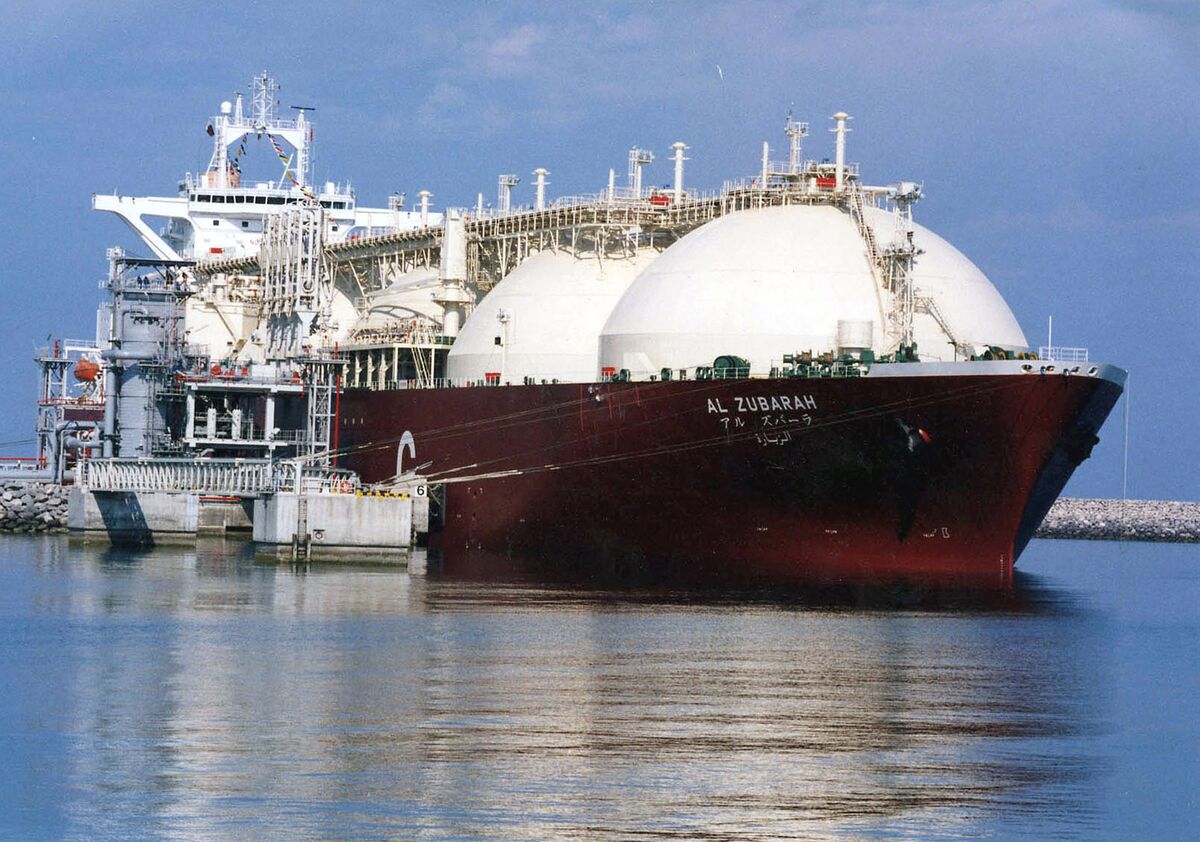
Qatar Energy Minister Saad Sherida Al-Kaabi warned that underinvestment combined with rapidly rising energy use from AI could produce LNG and natural gas shortages beyond 2035. He projects global LNG demand reaching 600–700 million tonnes annually within ten years versus current annual production near 400 million tonnes, with much of the increase driven by energy-intensive AI growth. The forecast signals potential long-term supply tightness, upward pressure on LNG prices and a likely need for substantial upstream capex and supply-chain investment.
Market structure: A ~600–700mt/yr LNG demand forecast vs ~400mt current (Qatar) implies a 50–75% structural rise by ~2035, concentrating real pricing power in FID-ready exporters (Cheniere LNG, Shell, Woodside) and midstream/shipping (GasLog, Golar). Losers are gas‑intensive consumers (data‑centre operators, some utilities) and regions without quick access to LNG; incumbents with spare liquefaction capacity will capture rent via long‑term contracts and destination flexibility.
Risk assessment: Tail risks include aggressive climate policy (fast renewables+storage adoption) or a large US/Aus FID wave that adds supply and collapses spot margins; geopolitical disruption to key pipelines or shipping lanes is the opposite tail that would spike prices. Immediate: days–weeks of headline volatility in spot and shipping rates; short term: 3–18 months for charter rates and basis moves; long term: structural capex cycles out to 2035 determining whether shortages materialize.
Trade implications: Expect upward pressure on gas/LNG prices → higher commodity‑linked inflation, steepening sovereign curves and rising breakevens (TIPS). FX: CAD/NOK tend to appreciate on sustained gas upside; equity: favor upstream LNG producers and shipping, underweight data‑centre REITs and high‑power industrials. Use options to buy convexity around FID decisions and winter seasons.
Contrarian angles: Consensus underweights supply response and AI efficiency gains — improvements in chip design and datacenter PUE could halve projected incremental demand; conversely shipping/infrastructure lead times (3–7 years) make near‑term scarcity real even if long‑run balance normalizes. Historical parallel: 2010s shale supply surprised demand forecasts; mispricing likely in long‑dated gas forwards and LNG shipping equities.
AI-powered research, real-time alerts, and portfolio analytics for institutional investors.
Request DemoOverall Sentiment
moderately negative
Sentiment Score
-0.35
