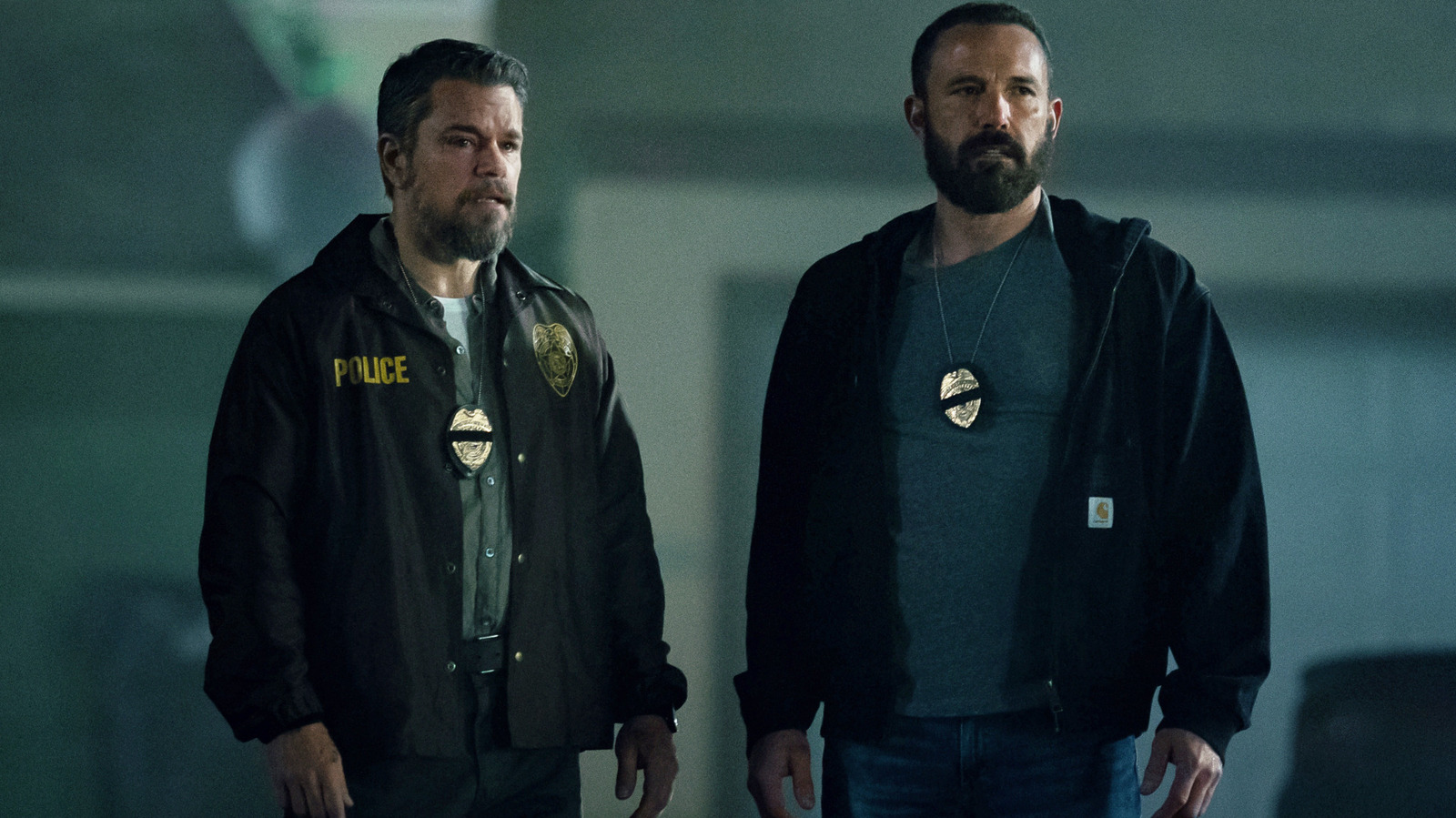
Ben Affleck and Matt Damon produced The Rip through Artists Equity and negotiated a one-time, performance‑based bonus pool that would share revenue with all ~1,200 cast and crew if the film meets multi‑tiered viewership thresholds measured over its first 90 days on Netflix; top tiers require audiences comparable to Netflix’s biggest titles. The arrangement, backed by Netflix content chief Bela Bajaria, could signal a shift in talent compensation practices and modestly affect Netflix’s cost structure and labor relations at a time when the company is under heightened scrutiny amid its proposed Warner Bros. acquisition; the film debuts January 16, 2026.
Market structure: This deal is a concentrated win for creators (Actors/crew) and for entrepreneurial studios like Artists Equity while presenting a competitive advantage to Netflix (NFLX) if it scales — variable, performance‑linked pay shifts more fixed-cost content spend to pay-for-performance, improving Netflix’s operating leverage vs. legacy studios. Expect incumbents with high fixed content amortization (DIS, WBD) to face margin pressure if the model spreads; viewership will be measured over 90 days with top-tier thresholds comparable to Netflix’s biggest titles, making early-weekend and 30/60/90‑day churn metrics key.
Risk assessment: Tail risks include a failed viewership/bonus trigger causing a reputational hit and 5–15% equity downside in days, regulatory blowback if WBD acquisition increases market concentration (material over 6–12 months), and unionization/contract cascades that could raise content costs 100–300 bps over 1–3 years. Immediate market moves will cluster around Jan 16 release and then over the 90‑day measurement window; the WBD regulatory timeline is a 30–180 day macro catalyst.
Trade implications: Tactical: establish a modest 2–3% long in NFLX into Jan 16 to capture positive PR and potential re‑rating, financed by a 1–2% short in DIS (or WBD if exposure exists) over a 3–6 month horizon — target 10–20% gross upside on NFLX vs 8–12% contraction on Disney. Options: buy defined‑risk NFLX call spreads expiring in Mar/Apr 2026 (2–4% notional) to capture release momentum and buy 25–30% sized 7–10% OTM puts as downside insurance; trim or re‑rate positions after the 90‑day metric release.
Contrarian angles: Consensus underestimates contagion: if performance pay becomes industry standard, studios will face higher variable payouts but lower capitalized content, shifting reported EBITDA and free cash flow dynamics — this could compress reported margins but improve cash conversion for platform-native players. Historic parallels (post‑strike content scarcity) show binary outcomes: either value accrues to platforms that control distribution or costs migrate back to large IP holders; mispricing exists in legacy studio multiples that assume stable fixed-cost amortization.
AI-powered research, real-time alerts, and portfolio analytics for institutional investors.
Request DemoOverall Sentiment
mildly positive
Sentiment Score
0.35
Ticker Sentiment
