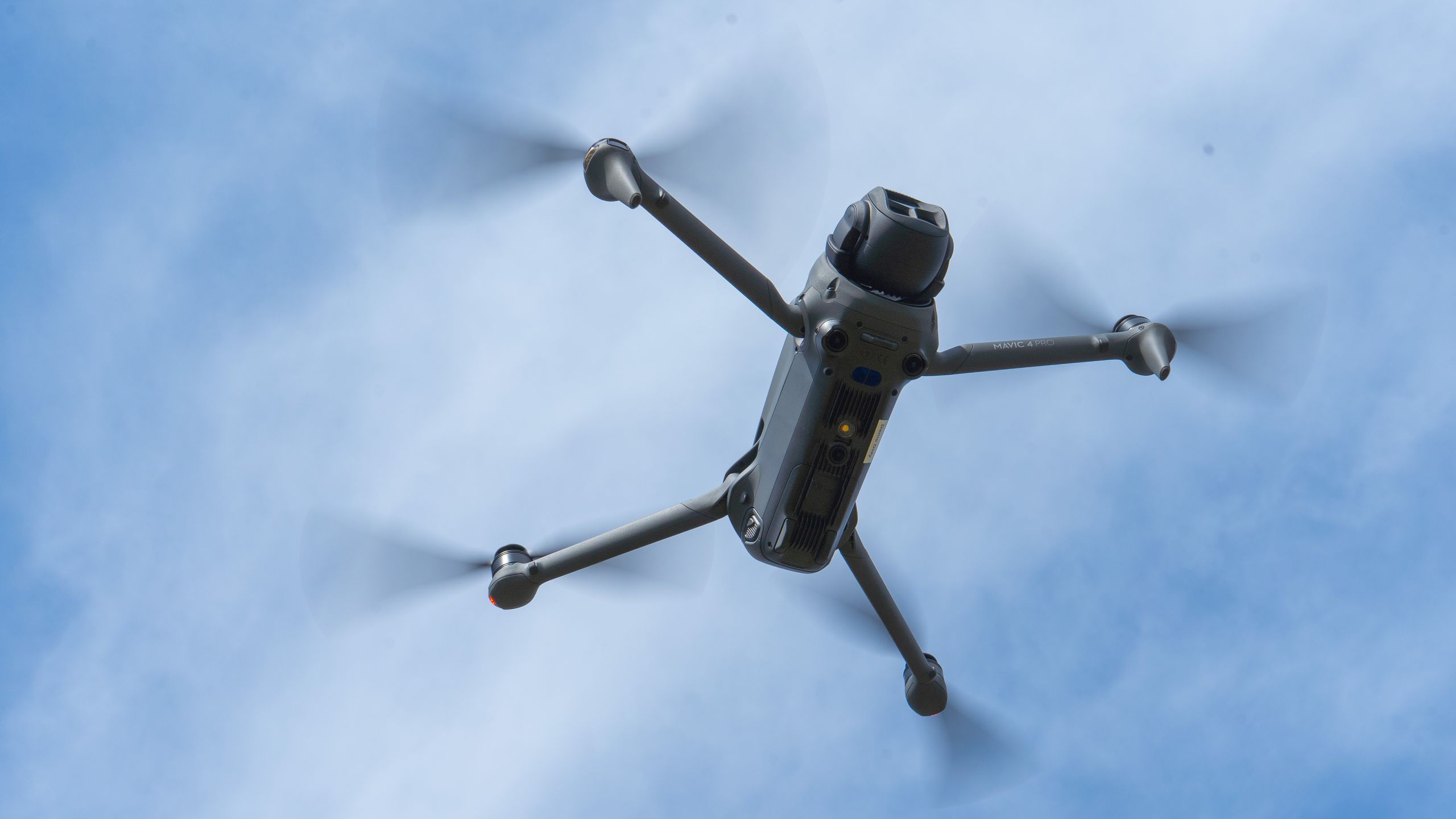
The FCC added “uncrewed aircraft systems (UAS) and UAS critical components produced in a foreign country” to its Covered List on Dec. 22, effectively preventing FCC approval of any new foreign-made consumer drones for sale in the U.S.; previously announced and existing models remain available. The security reviews for China-based DJI and Autel never commenced, and because few consumer drones are U.S.-made, the move freezes the U.S. consumer drone market until American firms re-enter or agencies such as DHS/DoD grant separate approvals, likely raising prices and reducing competition in the near-to-medium term.
Market structure: The FCC’s blanket foreign-made drone restriction hands a multi-quarter supply shock to the US consumer drone market: expect a 12–24 month gap before meaningful US-made consumer volumes reappear. Winners: US defense primes (LMT, NOC, LHX) and industrial OEMs that can repurpose supply chains for domestic UAV production; secondary-market platforms (EBAY) and rental/production services should see price-inelastic demand and used-unit price appreciation (est. +20–50%). Losers: consumer drone OEMs outside US (DJI/Autel indirectly), retailers with high drone SKU exposure, and potential consumer electronics cyclicals reliant on new unit turnover.
Risk assessment: Tail risks include rapid policy reversal or DHS/Federal exemptions that restore supply within 30–90 days, WTO trade retaliation, or accelerated US re-shoring subsidy programs that compress margins for incumbents. Immediate (days): retail aftermarket volatility and used-unit price spikes; short-term (weeks–months): margin expansion for domestic entrants and higher retail prices (forecast +15–40%); long-term (12–36 months): structural capex into US manufacturing and supplier winners. Hidden dependencies: component supply (camera sensors, motors, RF chips) is globally concentrated — reshoring won’t help unless semiconductor and optics capacity is secured.
Trade implications: Tactical longs in A&D (LMT, NOC) and defense-heavy ETFs (ITA) gain from civilian-to-defense procurement spillovers; thematic longs in marketplace/rental plays (EBAY) to capture used-unit price flows. Implement defined-risk option trades (9–12 month bull call spreads on LMT/NOC sized 1–3% portfolio exposure) and buy 3–6 month call options on EBAY to play resale tailwinds. Short small, size-constrained positions in GPRO (0.5–1% portfolio) or consumer electronics exposed retailers if shares spike on speculation of incumbents filling the gap.
Contrarian angles: The market underestimates the aftermarket and rental economy — used drone pricing and service revenues could deliver 50–150bps incremental EBITDA to platforms and local service companies for 6–18 months. The conventional long-DJI-replacement trade is overdone: historical parallels (GoPro Karma) show first-mover consumer hardware failures are common; therefore favor suppliers with recurring revenue or defense linkages over speculative consumer OEM entrants. Unintended consequences include faster consolidation of drone software/navigation winners (Skydio-tech licensing) — look for M&A targets among private/SMID navigation-IP owners.
AI-powered research, real-time alerts, and portfolio analytics for institutional investors.
Request DemoOverall Sentiment
moderately negative
Sentiment Score
-0.50
Ticker Sentiment
