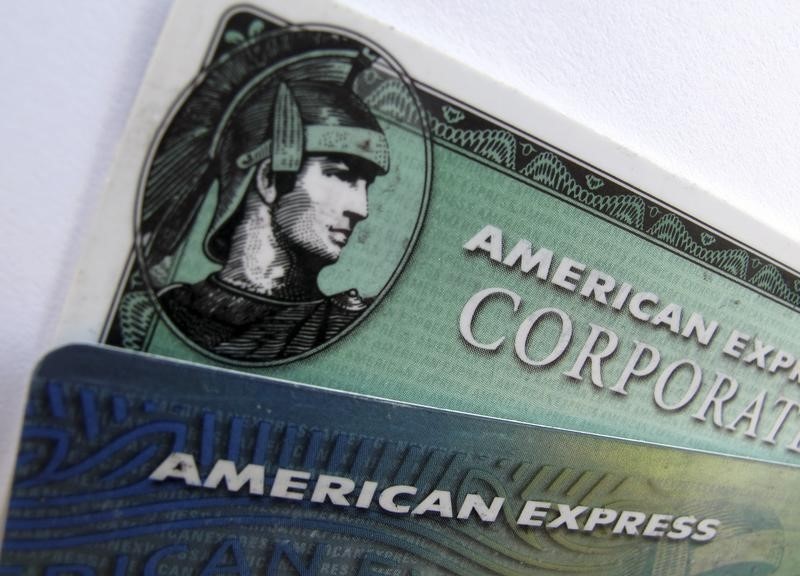
Truist reiterated a Buy on American Express with a $360 price target (down from $400) and nudged 2026 EPS to $18.00 (+1%), citing proprietary card-spend data showing modestly accelerating Q1 growth and strength in travel & leisure. AXP shares are down 19.4% YTD, trading at $299.59 versus a $387.49 52-week high, and InvestingPro flags the stock as potentially undervalued. Wolfe Research left its Peerperform rating unchanged. Company-level catalysts include a multi-year NFL global payments partnership starting 2026, the new Graphite Business Cash Unlimited card (unlimited 2% back; 5% on flights/hotels via AmEx Travel; $295 annual fee) and plans for eight new/enhanced business products in 2026.
AmEx is positioned to disproportionately capture a travel-led rebound because premium cardholders concentrate spending seasonally and have higher wallet-share elasticity versus mass-market users; incremental travel spend flows through higher-margin merchant categories (air, hotels, travel agents) and into fee-bearing co-brand ecosystems, amplifying revenue per dollar of swiped volume. Management’s move to smooth the variable customer engagement metric is a signal they expect steadier collectability of rewards liability and potentially a more predictable drag on NII/fee math — that makes near-term beats easier to operationalize but raises the bar for visible upside on future cadence beats.
Second-order effects: the NFL partnership and targeted SMB product rollout create distinct margin and data advantages — exclusive presale/experience channels increase interchange yield and deepen 1st-party behavioral data, which improves cross-sell ROI and pricing power for lending products. Conversely, the new SMB cash card with a material annual fee is a two-edged sword: it can seed durable commercial spend but risks cannibalizing mid-tier product economics and invites competitor rate/promotional responses that could raise marketing spend over 12–24 months.
Key risks cluster by horizon: over days–weeks, prints that miss Truist’s implied momentum (billed business) will reprice sentiment quickly; over 3–12 months, macro shocks (recession, a sharp rise in unemployment) or regulatory pressure on merchant fees would compress spreads; over 1–3 years, AI-driven structural declines in business travel are the largest asymmetric tail. The clearest catalyst set: upcoming quarterly billed-business release and staged 2026 product rollouts — both are binary for re-rating given current valuation complacency priced into cyclical recovery expectations.
AI-powered research, real-time alerts, and portfolio analytics for institutional investors.
Request DemoOverall Sentiment
mildly positive
Sentiment Score
0.25
Ticker Sentiment
