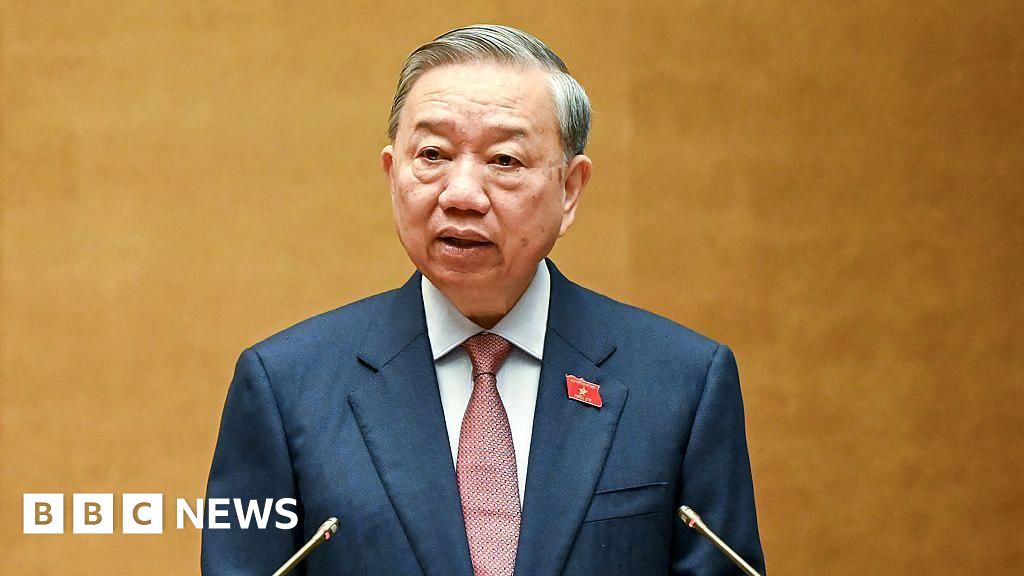
To Lam was unanimously elected president by the 500-seat National Assembly, consolidating the roles of party general secretary and head of state for the next five years. He has set an ambitious economic target of >10% annual growth and aims to reach upper-income status within ~20 years, while continuing a high-profile anti-corruption drive. China’s Xi congratulated him, underscoring close party-to-party ties despite popular anti-Chinese sentiment; domestic checks (central committee/Politburo) remain a constraint on his power.
Centralised authority raises policy predictability in the near term, which should lower political risk premia for large-scale manufacturing and infrastructure projects receiving state backing. If even a modest fraction of planned FDI commitments materialise, a 12–24 month window of capex-led imports (steel, electronics upstream, shipping containers) could drive outsized revenue upside for regional logistics and commodity suppliers by ~10–20% vs baseline.
However, the leader's security-and-discipline background creates asymmetric regulatory tail‑risks: faster removal of “bad apples” improves governance metrics but also increases the odds of episodic clampdowns on private firms or selective nationalisations that can wipe out valuations quickly. Market reaction will hinge on execution of economic targets — 10% nominal GDP growth is a stretch; failure to meet early-year growth inflection points (next 6–12 months) will trigger rapid risk‑off and FX weakness.
Second‑order geopolitical effects are non-linear: closer party-to-party alignment with China can accelerate relocation decisions by Chinese SOEs and their supply chains into Vietnam, concentrating export growth but also amplifying domestic anti-China political shocks. For investors, the efficient path to capture upside is sectoral exposure to manufacturing, ports and construction materials while keeping optioned downside protection and FX hedges for a 3–12 month horizon.
AI-powered research, real-time alerts, and portfolio analytics for institutional investors.
Overall Sentiment
neutral
Sentiment Score
0.00
