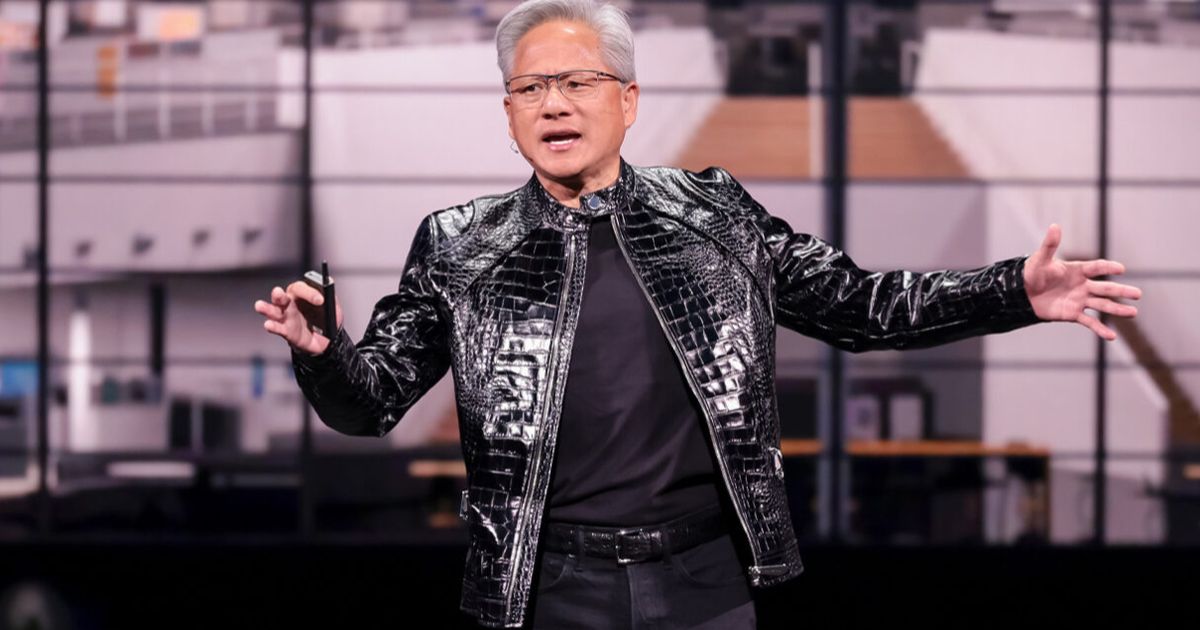
Nvidia unveiled Rubin at CES 2026, an integrated six-part data‑centre AI platform (Rubin GPUs, Vera CPUs, NVLink 6, Spectrum‑X photonics, ConnectX‑9 SuperNICs and BlueField‑4 DPUs) positioned to lower inference cost-per-query and enable large-scale “AI factories.” CEO Jensen Huang emphasized a shift from standalone models to tightly co‑designed systems and a push into “physical AI” (robotics, autonomous vehicles, simulation); the announcement signals a strategic move up the stack to defend against hyperscaler and niche competitor silicon, with investor outcomes to depend on real-world Rubin deployments and cost efficiencies over the next 12–18 months.
Market structure: Nvidia’s Rubin pitch accelerates vertical integration in data‑centre AI: winners are end‑to‑end platform providers (NVDA, AVGO, MRVL) and photonics/packaging suppliers; losers are stand‑alone GPU niche players and pure-play inference accelerators that lack software ecosystems. Expect pricing power to shift toward platform owners who can cut cost‑per‑query; margin expansion potential of ~200–500bp in data‑centre revenue over 12–24 months if Rubin yields 10–20% lower OPEX for customers.
Risk assessment: Key tail risks are regulatory (US/China export controls, antitrust scrutiny) and execution (tape‑out/packaging delays, customer validation); low‑probability but high‑impact: a 6–12 month delay in Rubin deliveries could wipe ~15–30% off consensus upside for NVDA. Near term (days–weeks) sentiment/repricing around CES will dominate; medium term (3–12 months) depends on design wins and supply ramp; long term (1–3 years) hinges on ecosystem lock‑in and physical‑AI adoption rates.
Trade implications: Direct long NVDA exposure wins if Rubin converts to commercial orders within 6–12 months; pair trades favor NVDA vs AMD/other GPU specialists as platform lock‑in widens. Options: use calendar/LEAP structures to capture asymmetric upside while selling short‑dated premium. Sector rotation: overweight data‑centre infra (AVGO, MRVL, LITE) and underweight small inference‑chip pure plays.
Contrarian view: Consensus underestimates integration risk and customer pushback—hyperscalers may accelerate in‑house inference silicon, limiting NVDA’s share gains; market may be underpricing a 20–40% multi‑quarter delay risk. Historical parallel: past cycles where vertical incumbents promised systems (e.g., IBM mid‑00s) but adoption lagged; watch 3 independent hyperscaler design wins in 12 months as proof trigger.
AI-powered research, real-time alerts, and portfolio analytics for institutional investors.
Request DemoOverall Sentiment
moderately positive
Sentiment Score
0.45
Ticker Sentiment
