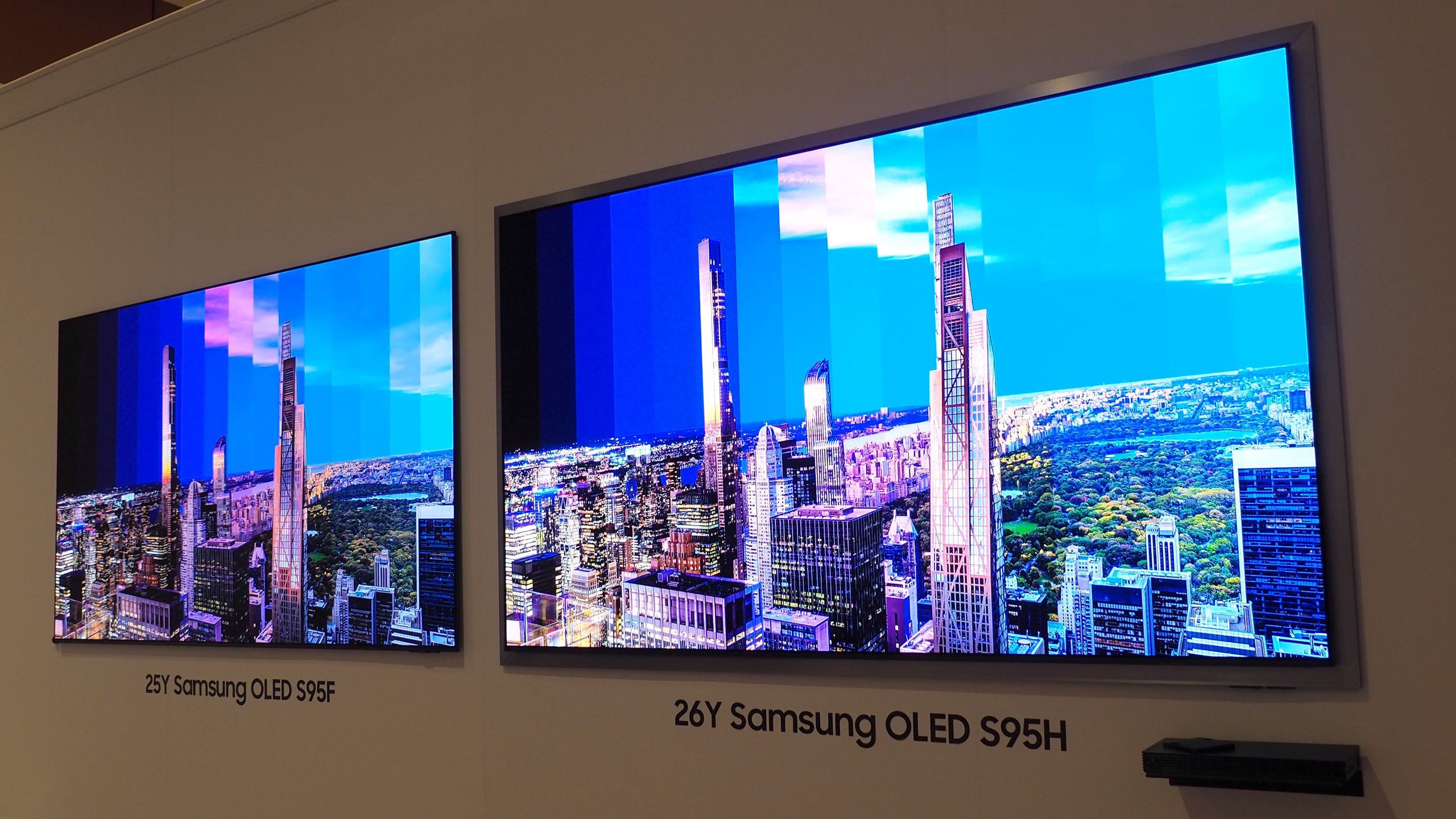
Samsung will add Nvidia G-Sync and AMD FreeSync Premium Pro support to its 2026 OLED TV lineup (S95H, S90H, S85H) and select Odyssey G6 monitors (G60H, G61SH), enabling variable-refresh synchronization for PC and compatible console gaming. The upgrade strengthens the premium displays' appeal to gamers and could modestly support demand in Samsung's high-end TV and monitor segments, though it is unlikely to have a material near-term impact on company financials or market guidance.
Market structure: Samsung’s decision to ship 2026 OLEDs and Odyssey monitors with both Nvidia G-Sync and AMD FreeSync is a modest but real demand-enhancer for high-end displays and could lift Samsung’s premium SKU mix by ~1–3% of unit ASPs in CY2026 if adoption nudges buyers to choose Samsung over rivals. Direct beneficiaries: Samsung (display sales + OEM pricing optionality) and ecosystem licensors Nvidia/AMD through modest GPU/driver stickiness; losers: rival TV makers (LG, Sony) who must react or risk share erosion in premium gaming segment. Pricing power increases only if Samsung sustains feature differentiation for 6–12 months before competitors match it.
Risks: Tail events include Nvidia/AMD changing certification/licensing economics, OLED panel yield shocks, or a consumer discretionary pullback that removes the premium-TV upgrade cycle; any of these could remove the 1–3% upside and compress gross margins by >150–200 bps. Immediate effects (days) are likely muted; short-term (weeks–months) look for inventory and CES-related order flows; long-term (quarters–years) the impact is on FY2026 revenue mix and potential GPU replacement cycles.
Trades & portfolio implications: Favor small asymmetric exposure to NVDA and Samsung and optional exposure to AMD—use calendar/call spreads to limit premium loss while capturing 4–12 week product-cycle moves. Rotate modestly into display supply chain and gaming peripherals (overweight) and trim pure console-accessory names that don’t benefit from PC/TV cross-compatibility. Monitor CES sales data, SSNLF inventory days, and NVDA/AMD certification announcements as 30–90 day catalysts.
Contrarian view: The market may overstate the uplift—histor precedents (HDR, 3D TV) show feature announcements often take 12–24 months to move broad consumer replacement cycles; upside may be concentrated in enthusiasts (10–15% of market) not mass buyers. Unintended consequences: Samsung could cannibalize high-refresh monitor sales or trigger aggressive matching by competitors that compresses margin after 2–3 quarters, meaning early gains could reverse if competitors reciprocate.
AI-powered research, real-time alerts, and portfolio analytics for institutional investors.
Request DemoOverall Sentiment
mildly positive
Sentiment Score
0.25
Ticker Sentiment
