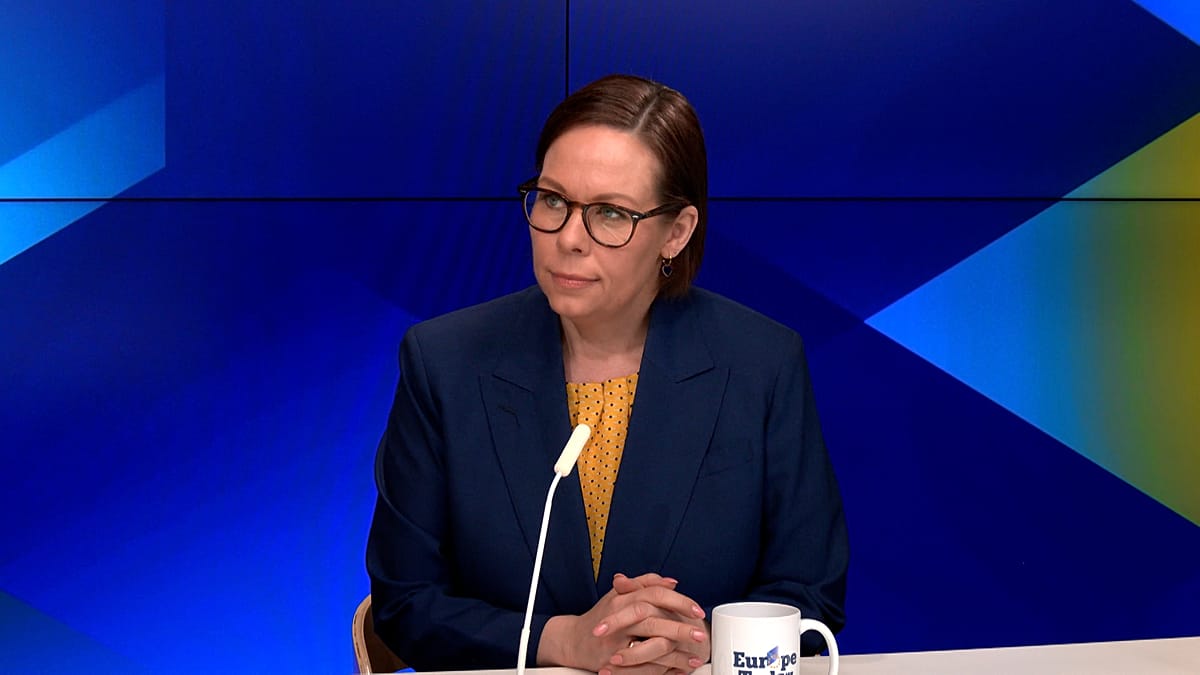
EU efforts to finalise the 20th sanctions package against Russia ahead of the four-year anniversary of the full-scale invasion are at risk after Hungary said it would block new measures unless Ukraine resumes oil transit to Hungary and Slovakia via the Druzhba pipeline. Budapest and Slovakia have also suspended diesel exports to Ukraine, and Hungary has threatened to block a proposed €90 billion EU loan to Kyiv, prompting sharp criticism from Sweden's foreign minister and raising the prospect of fractured unanimity within the 27-member bloc — a development that could complicate energy flows and political support for Ukraine.
Market structure: A short delay in EU sanctions is structurally positive for incumbent Russian energy flows and regional importers (Hungary/Slovakia) and reduces the immediate risk premium in Brent/TTF; expect a 5–15% lower short-term volatility premium in oil/gas if unanimity fails this week. Losers are sovereign-credit-sensitive EU borrowers and banks with CEE exposure (HUF-linked assets), plus Ukraine funding streams; political fragmentation hands pricing power back to pipeline operators and spot physical traders in CEE diesel markets.
Risk assessment: Tail scenarios include (A) Hungary’s veto persists -> EU loan blocked -> cohesion shock -> EUR down 2–5% and 10–30bp wider peripheral spreads within 1–3 months; (B) Russia retaliates by cutting flows -> TTF spike +50–100% and diesel regional shortages within days. Hidden dependencies: unanimity rule and domestic Hungarian election calendar (next months) are the gating factors; catalyst set-pieces are the EU foreign ministers vote (days) and any bilateral Druzhba pipeline arbitration (weeks).
Trade implications: Near-term (days–weeks) favor trades that monetize reduced sanction risk but hedge tail-cutoff: tactical short positions in front-month TTF/ICE gas and NWE gasoil (target -10–20% within 1–3 months), paired with convex protection via 1-month diesel/gasoil call options sized at 0.5–1% notional. Rotate portfolios to add 6–12 month exposure to defense suppliers (e.g., RHM.DE) +1–2% and reduce 2–4% exposure to EU banks with CEE loan books (Erste, Raiffeisen) until the veto risk is resolved.
Contrarian angles: Consensus assumes persistent EU unity; that is underdone — short-term energy prices may fall if sanctions stall, creating a buying opportunity in select European integrated oil majors (BP.L, SHEL.L) on any subsequent sanction re-tightening priced later. Historical parallel: 2014–15 sanctions waves showed market overshoot in both directions; consider asymmetric option structures (sell premium on realized calm, keep tails) because policy outcomes are binary and can reverse quickly.
AI-powered research, real-time alerts, and portfolio analytics for institutional investors.
Request DemoOverall Sentiment
moderately negative
Sentiment Score
-0.35
