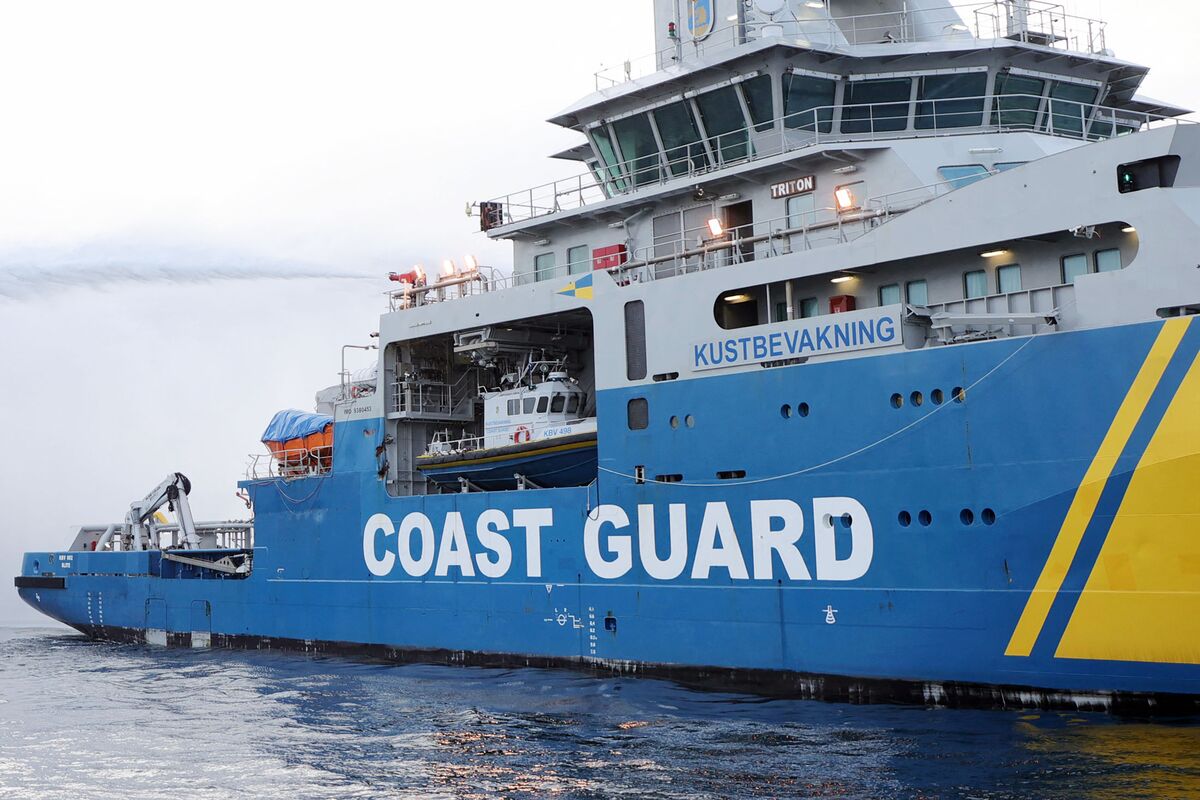
Sweden is arming civilian coast guard vessels with KSP 58 machine guns as Baltic Sea tensions rise, citing a growing threat from Russia-linked vessels. The move underscores heightened regional security risk and a more defensive posture by Swedish authorities, though the immediate market impact is likely limited.
This is a signal that the Baltic security premium is shifting from rhetoric to operational readiness, which should gradually tighten the risk discount on Nordic and Baltic defense-adjacent assets. The first beneficiaries are not the obvious primes alone, but also small-cap suppliers of sensors, comms, optics, marine systems, and munitions replenishment where order books can re-rate before headline procurement budgets are disclosed. A more durable second-order effect is that civilian maritime operators and insurers may face higher operating costs and wider war-risk spreads, especially around Gotland and key ferry/container routes, which can feed through to regional shipping and logistics margins. The move also increases the probability of asymmetric escalation at sea: once civilian vessels are armed, incident thresholds fall and attribution becomes more ambiguous, which raises the tail risk of “gray-zone” encounters over the next 3-12 months. That matters because even low-grade friction can accelerate Nordic procurement cycles, push maintenance and ammo consumption higher, and force allied interoperability spending earlier than planned. Conversely, any credible de-escalation channel or a visible drop in Russian maritime harassment would quickly deflate the premium, so the trade is highly headlinesensitive and should be treated as event-driven rather than structural until broader budget commitments follow. The contrarian angle is that markets may overfocus on the weaponization headline and underprice the administrative lag: outfitting civilian hulls is easy; sustained readiness, training, ammo stockpiles, and rules-of-engagement clarity are the real constraints. If Sweden and neighbors convert this into multi-year procurement, the upside shifts from a one-off defense rerating to recurring aftermarket revenue for European marine-defense integrators. If not, the move remains a symbolic deterrent with limited earnings impact outside suppliers of basic hardware and maintenance services.
AI-powered research, real-time alerts, and portfolio analytics for institutional investors.
Request DemoOverall Sentiment
mildly negative
Sentiment Score
-0.15
