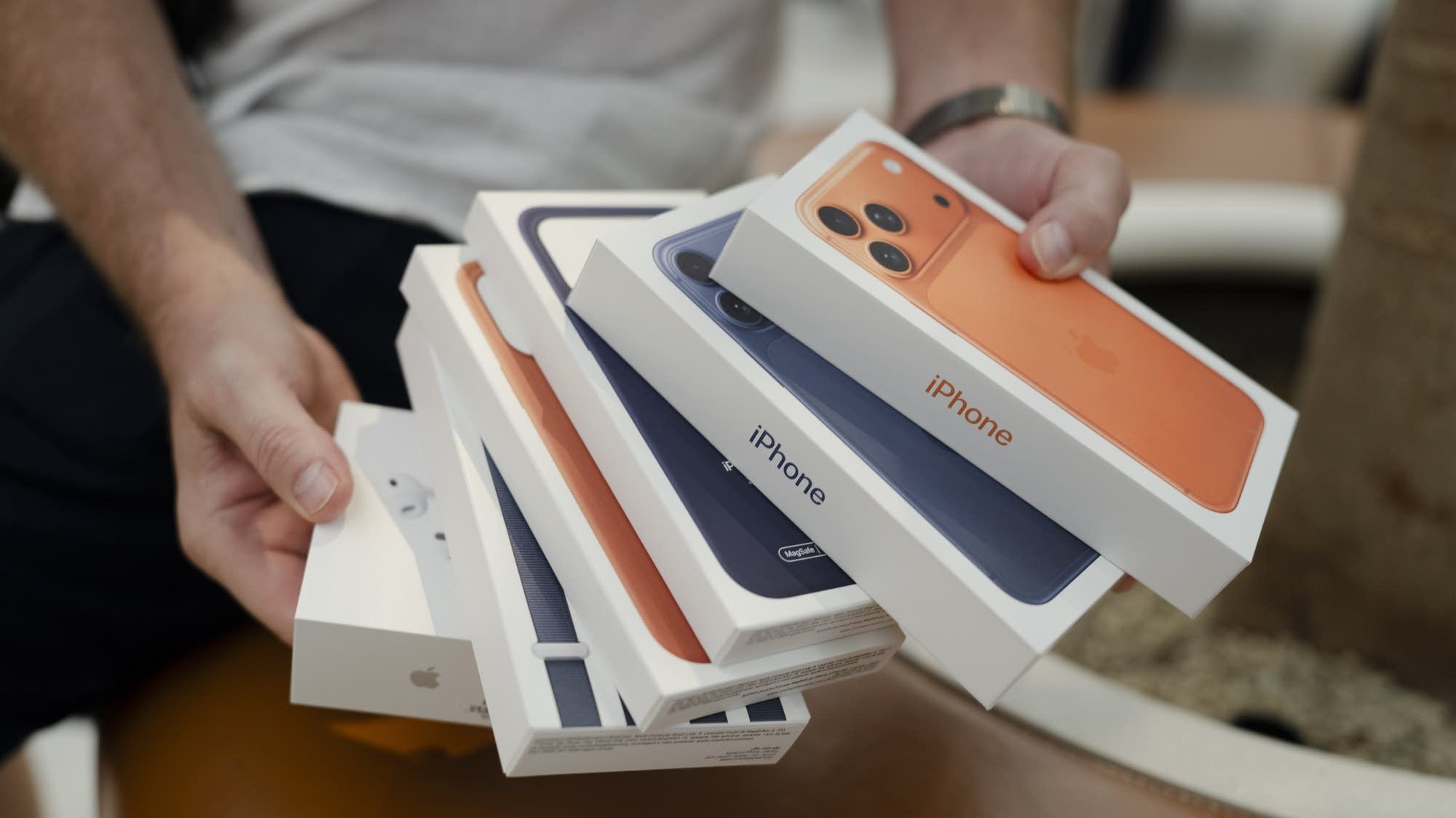
The current economic landscape is characterized by a K-shaped recovery, with a small segment of high-income consumers driving the majority of discretionary spending, exemplified by Apple's double-digit growth in iPhone 17 sales. This trend stems from widening wealth inequality, where higher earners benefit from asset appreciation while others face cost pressures, making the economy potentially vulnerable to stock market volatility impacting big-ticket purchases. While some economists suggest wealthy consumers' spending is more resilient due to savings, the broader risk of such an uneven recovery lies in social and political instability.
The current economic environment is characterized by a K-shaped recovery, where a small segment of high-income consumers is driving the majority of discretionary spending. This trend is exemplified by Apple's recent financial results, which showed double-digit growth in iPhone sales following the release of the $799 iPhone 17, indicating strong demand from affluent buyers. This highlights a bifurcation in consumer behavior, with higher earners maintaining spending on premium goods.
This spending concentration is attributed to widening wealth inequality, where higher earners have benefited from strong wage growth and asset appreciation in stocks and housing. Conversely, middle- and lower-income households face significant pressure from rising costs in essentials like rent, childcare, and groceries, leading to a pullback in their discretionary purchases across categories such as electronics, apparel, and travel. This divergence suggests a fundamental shift in consumer demand patterns based on income quintiles.
The reliance on high-income spending introduces economic vulnerability, as a significant stock market downturn could quickly ripple through the economy, reducing big-ticket purchases and impacting overall demand and employment. While economist Kristina Sargent highlights this risk, Betsey Stevenson suggests that wealthy individuals' consumption is more resilient due to their savings and access to borrowing. However, Stevenson ultimately points to social and political instability as the primary risk of a K-shaped economy.
AI-powered research, real-time alerts, and portfolio analytics for institutional investors.
Request DemoOverall Sentiment
moderately negative
Sentiment Score
-0.50
Ticker Sentiment
