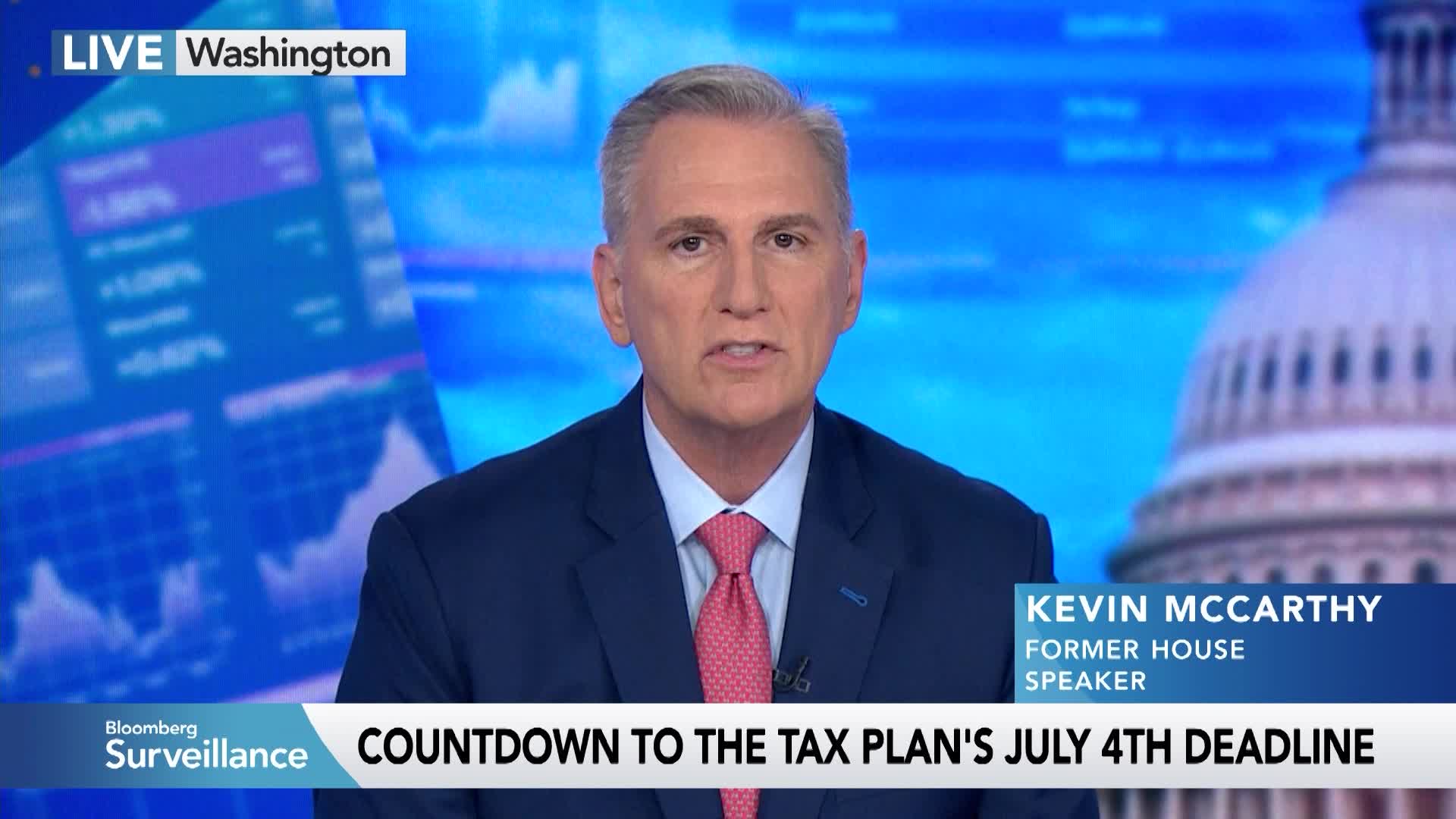
House Speaker Kevin McCarthy stated that a Trump tax bill is expected to pass the House of Representatives by July 4. This signals potential legislative progress on significant fiscal policy, which could have implications for corporate taxation and broader market sentiment.
House Speaker Kevin McCarthy's statement projecting the passage of a 'Trump tax bill' in the House by July 4 introduces a significant and near-term potential catalyst for fiscal policy changes. This declaration, marked by an optimistic tone and a moderately positive sentiment score of 0.5, sets a clear timeline for legislative action on an issue with a high market impact score of 0.6. The reference to a 'Trump tax bill' suggests a policy direction focused on corporate tax reductions, potentially echoing the framework of the 2017 Tax Cuts and Jobs Act. Such legislation would have direct implications for corporate profitability, particularly for domestically-oriented companies with high effective tax rates. While McCarthy's timeline is ambitious and passage through the entire legislative process remains uncertain, his comment firmly places tax reform at the forefront of the political agenda, requiring close monitoring by market participants.
AI-powered research, real-time alerts, and portfolio analytics for institutional investors.
Request DemoOverall Sentiment
moderately positive
Sentiment Score
0.50
